A Small Question About Glass Bead Size Led Us to a Bigger Manufacturing Lesson

In manufacturing, many challenges do not come from complicated drawings or difficult machining processes.
Sometimes, a small specification on a drawing can create an important discussion.
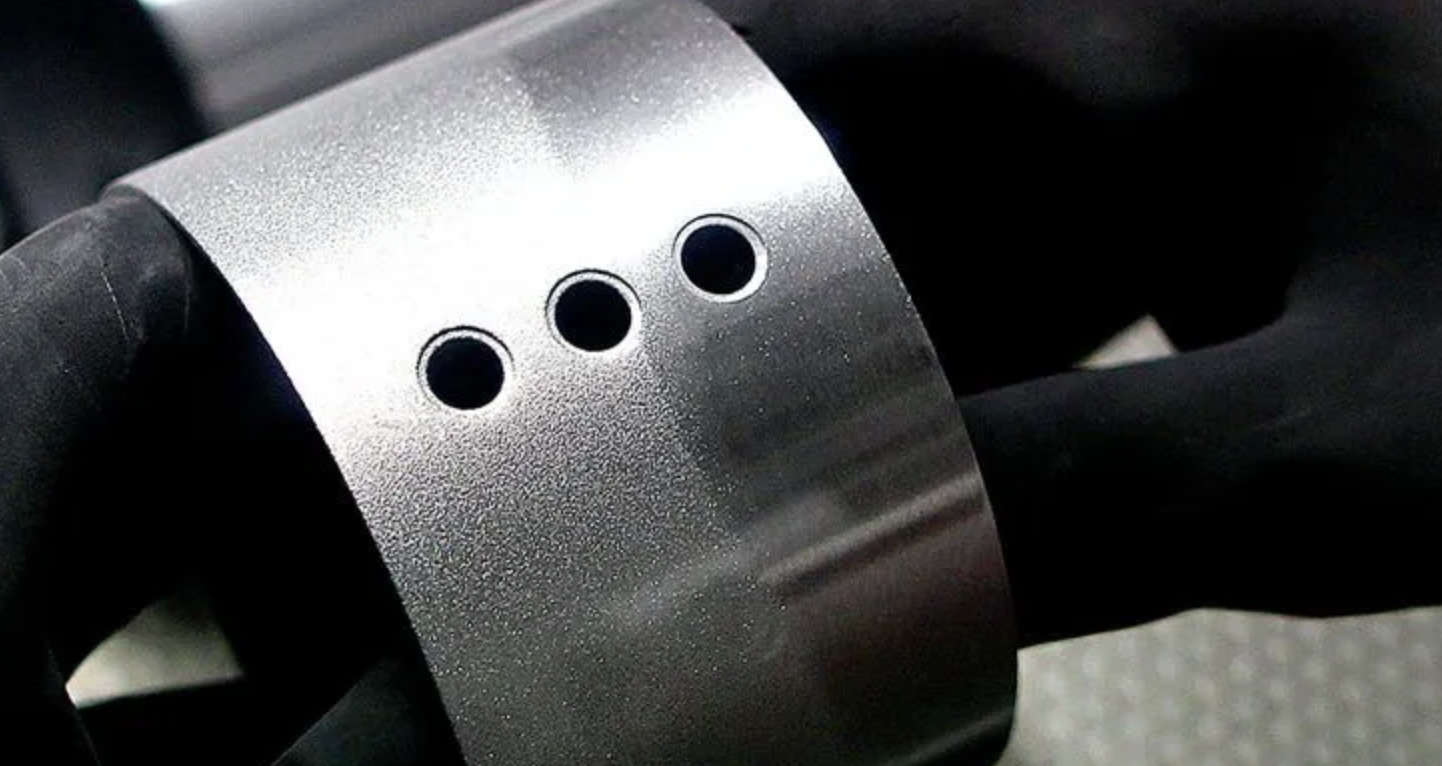
Recently, we received a CNC machining project where the customer specified:
Surface finish: Glass bead blasting
Bead size: 90–150 microns
At first, this looked like a normal surface treatment requirement.
However, during our internal review, our engineering team suggested:
“We normally use #150 glass beads for this type of finish.”
From a production perspective, this seemed reasonable.
But as a manufacturing partner, we asked ourselves one more question:
Does #150 glass bead mean exactly the same thing as 90–150 microns?
Are we and our customer using the same language?
This question started a deeper learning process.
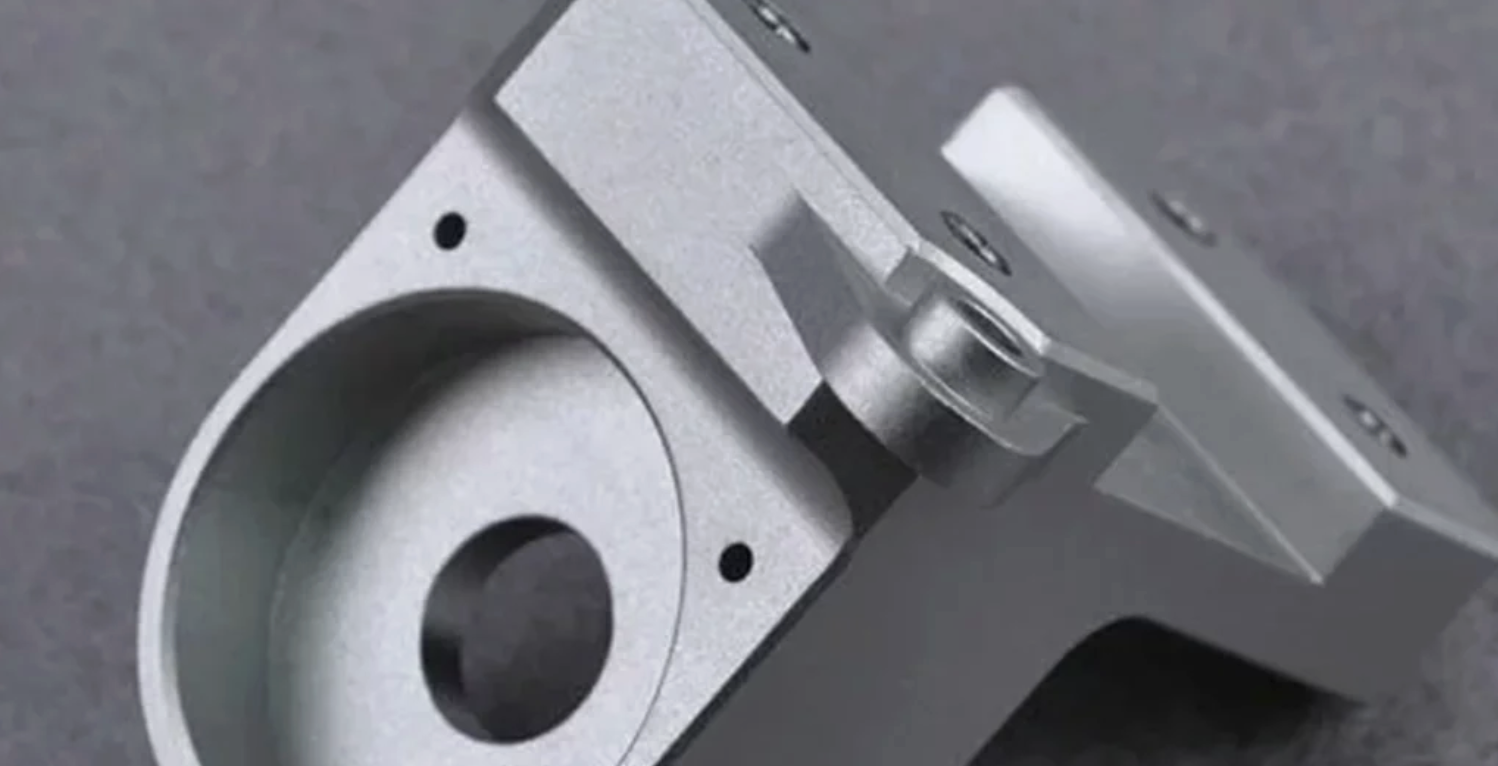
Why We Did Not Simply Proceed with #150 Glass Beads
In manufacturing, following a drawing is important.
But understanding the intention behind the specification is even more important.
If we simply replied:
“OK, we will use #150 glass beads.”
There could be a misunderstanding.
Why?
Because the customer described the requirement using:
Particle size: 90–150 microns
while our factory referred to:
Mesh number: #150
Although they may represent a similar range, they are not exactly the same measurement method.
A professional supplier should not only produce parts.
We should make sure:
Our understanding matches the customer's expectation.
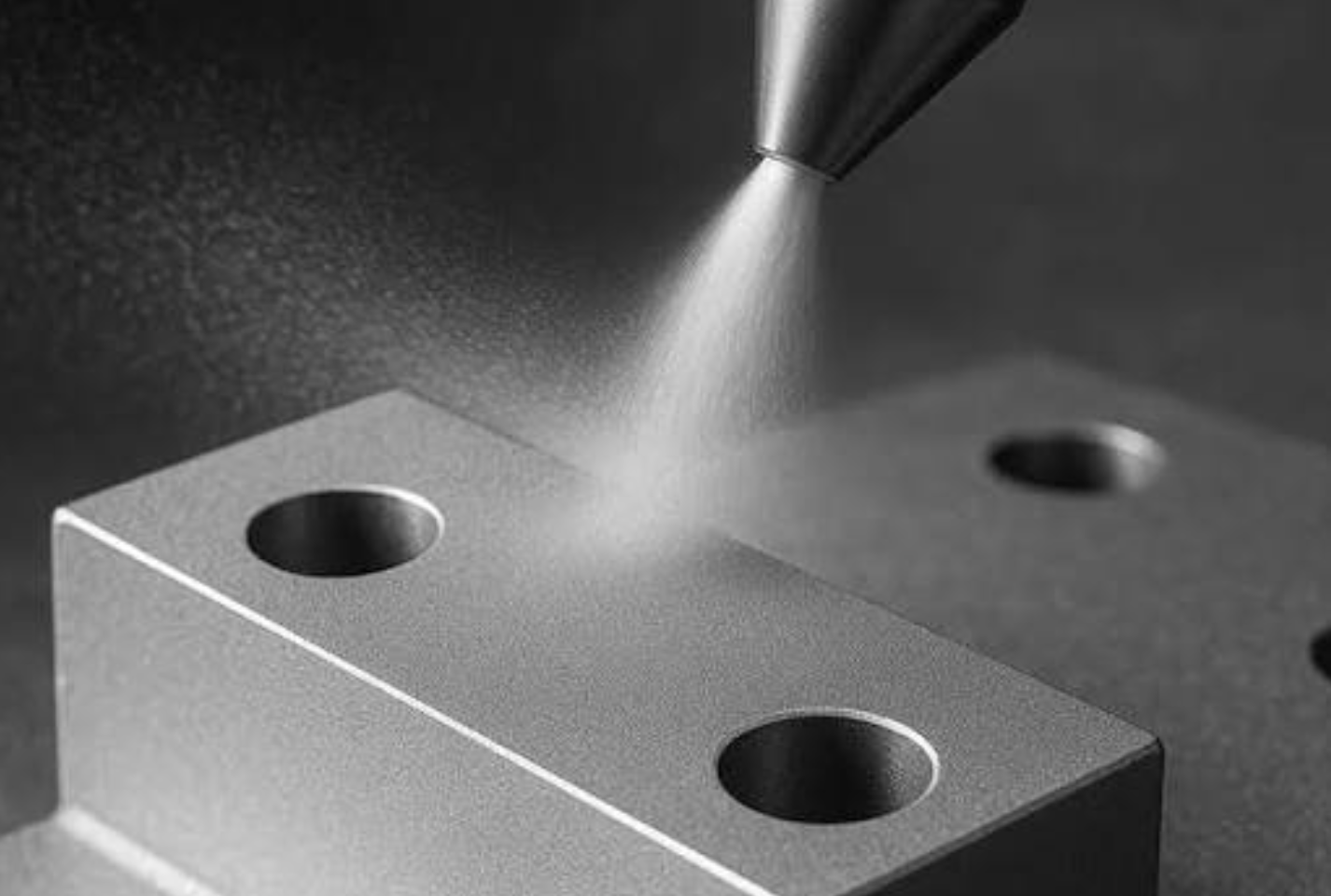
What Does “Mesh” or “Mesh Number” Mean?
In the blasting industry, abrasive materials are often described using a term called:
Mesh
For example:
· 80 mesh
· 120 mesh
· 150 mesh
But what exactly does “mesh” mean?
Mesh comes from the traditional screening process used for powders, sand, minerals, and abrasive materials.
A mesh is a screen with many openings.
The mesh number represents:
The number of openings in one linear inch of the screen.
One inch equals:
25.4 mm
For example:
1 mesh
A 1 mesh screen means approximately:
· 1 opening per inch
The opening is very large, so only very large particles are separated.
100 mesh
A 100 mesh screen means approximately:
· 100 openings within one inch
The openings are much smaller, allowing only smaller particles to pass through.
Therefore:
Higher mesh number = smaller opening size = finer particles
Why Is It Called “Mesh” or “目”?
In Chinese manufacturing, mesh is often translated as “目”.
The meaning comes from the idea of counting the “eyes” or openings of the screen.
Each opening of the screen is considered one “eye”.
Therefore:
· 100 mesh = 100 openings per inch
· 150 mesh = 150 openings per inch
The more “eyes” the screen has, the finer the material that can pass through.
This is why:
150 mesh is finer than 80 mesh.
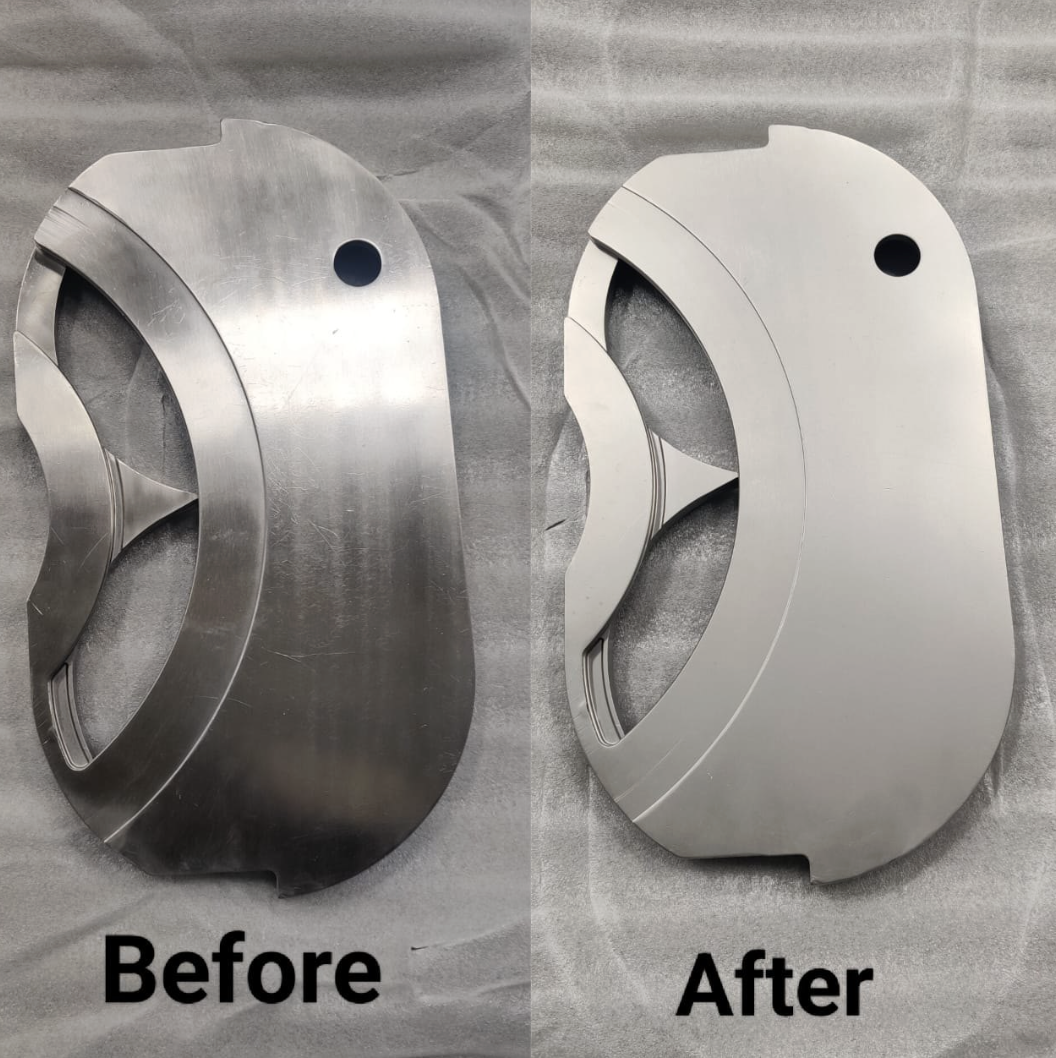
Mesh Number Is Not Exactly the Same as Micron Size
Another important point:
Mesh number does not directly equal particle diameter.
For example:
100 mesh does NOT mean:
100 microns.
The final opening size depends on:
· Wire thickness of the screen
· Screen design
· Material shape
· Screening standard
Therefore, mesh number and micron size are related, but they are not the same unit.
A general reference:
Mesh size | Approximate particle size |
80 mesh | around 180 μm |
100 mesh | around 150 μm |
120 mesh | around 125 μm |
150 mesh | around 100 μm |
200 mesh | around 75 μm |
300 mesh | around 50 μm |
Understanding the Customer’s Requirement: 90–150 Microns
The customer requested:
Glass bead size: 90–150 microns
This means:
The diameter of the glass beads should approximately fall between:
0.09 mm and 0.15 mm.
Based on common industry conversion:
90–150 microns is approximately equivalent to:
100–150 mesh glass beads
Therefore:
· #100 glass beads → around 150 μm
· #120 glass beads → around 125 μm
· #150 glass beads → around 100 μm
Our proposed #150 glass bead process is likely within the customer's expected range.
Can We Measure the Glass Bead Size During Production?
Our engineering team also raised another practical point.
Most CNC suppliers do not measure the particle size of glass beads during every blasting operation.
Normally, suppliers purchase blasting media according to specifications such as:
· Glass bead #100
· Glass bead #120
· Glass bead #150
To verify exact particle distribution, special equipment and testing methods are required, such as:
· Sieve analysis
· Particle size analysis
For normal CNC surface finishing, the main quality controls are usually:
· Correct blasting media selection
· Stable blasting parameters
· Consistent surface appearance
· Surface roughness requirement (Ra), if specified
What We Learned From This Small Question
This was not only a discussion about glass beads.
It reminded us of an important principle in manufacturing:
Good manufacturing starts with good communication.
A drawing specification is not just a number.
Behind every number, there is an expectation.
Our responsibility is to understand:
· What does the customer really want to control?
· Is our interpretation the same as theirs?
· Are we using the same technical language?
Sometimes, asking one additional question can prevent a bigger problem later.
Our Manufacturing Philosophy
At Opro-tech, we believe a manufacturing partner should do more than simply follow instructions.
We should:
✅ Question unclear requirements
✅ Understand technical details behind specifications
✅ Communicate possible differences in terminology
✅ Find practical solutions together with customers
Because precision is not only about machining accuracy.
Precision also means:
Precision in understanding.
A small question about a 90–150 micron glass bead helped us learn more about surface finishing, measurement standards, and communication.
And we are happy to share this knowledge with engineers, manufacturers, and anyone who cares about making better products.