Bakelite (Phenolic) Injection Molding vs. Plastic Injection Molding

Why Thermoset Molding Is a Completely Different Manufacturing Process
By Opro-tech Engineering
When people hear the words injection molding, they often imagine plastic parts made from ABS, PC, PA66, PP, or PBT.
However, there is another world of injection molding that many engineers have never experienced—thermoset injection molding, commonly known as Bakelite (Phenolic) molding.
Although both processes use an injection molding machine and a mold, the similarities almost end there.
From the material behavior to the machine design, mold construction, processing conditions, and even the production philosophy, Bakelite molding is fundamentally different from conventional plastic injection molding.
In this article, we'll explore these differences from the perspective of a mold manufacturer.
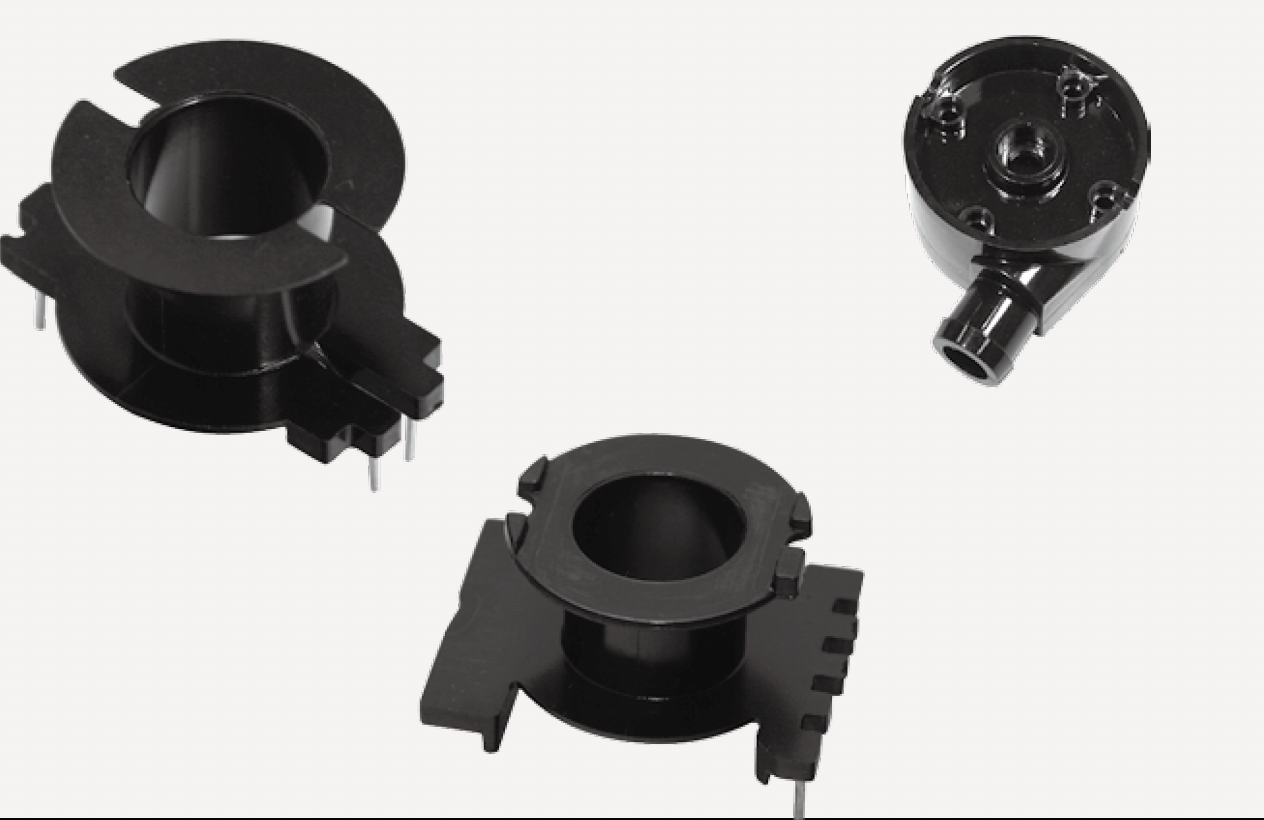
What is Bakelite (Phenolic)?
Bakelite, or Phenolic Molding Compound (PMC), is one of the earliest synthetic plastics ever invented.
Unlike common engineering plastics, Bakelite belongs to the thermoset polymer family.
Once molded, it undergoes a chemical cross-linking reaction that permanently hardens the material.
Unlike ABS or PC, it can never be melted again.
This unique characteristic makes Bakelite ideal for applications requiring:
· Excellent electrical insulation
· High heat resistance
· Arc resistance
· Dimensional stability
· Flame resistance
Typical applications include:
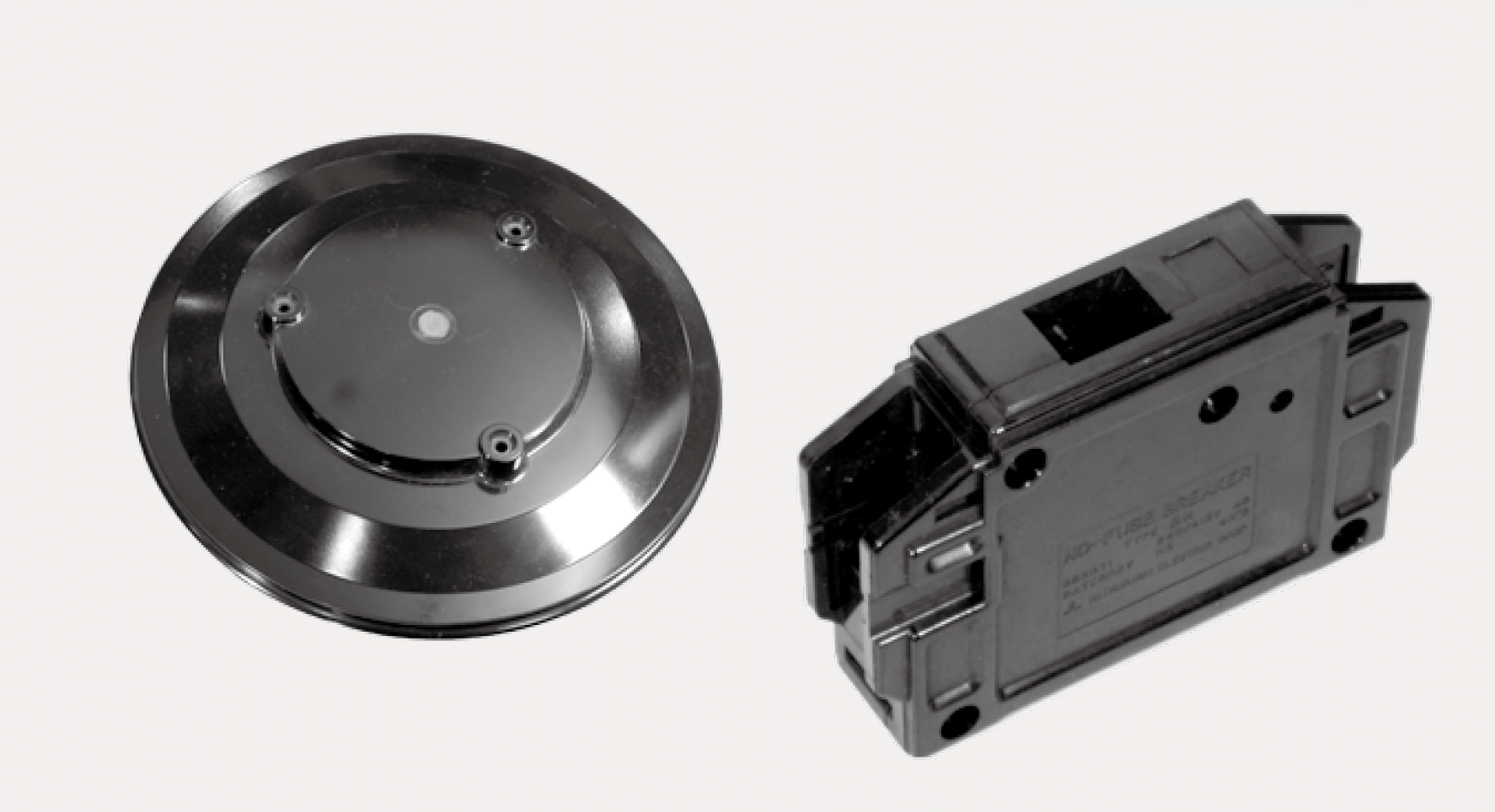
· Circuit breakers
· Electrical switches
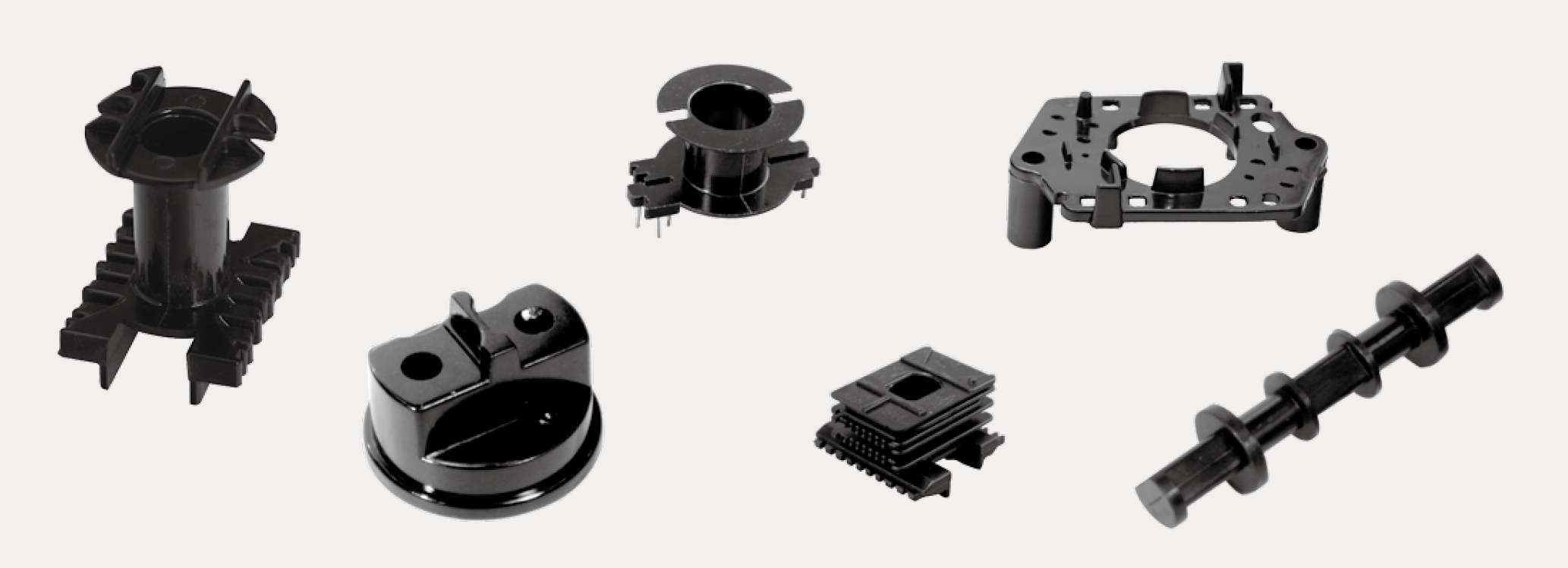
· Transformer components
· Electrical connectors
· High-voltage insulation parts
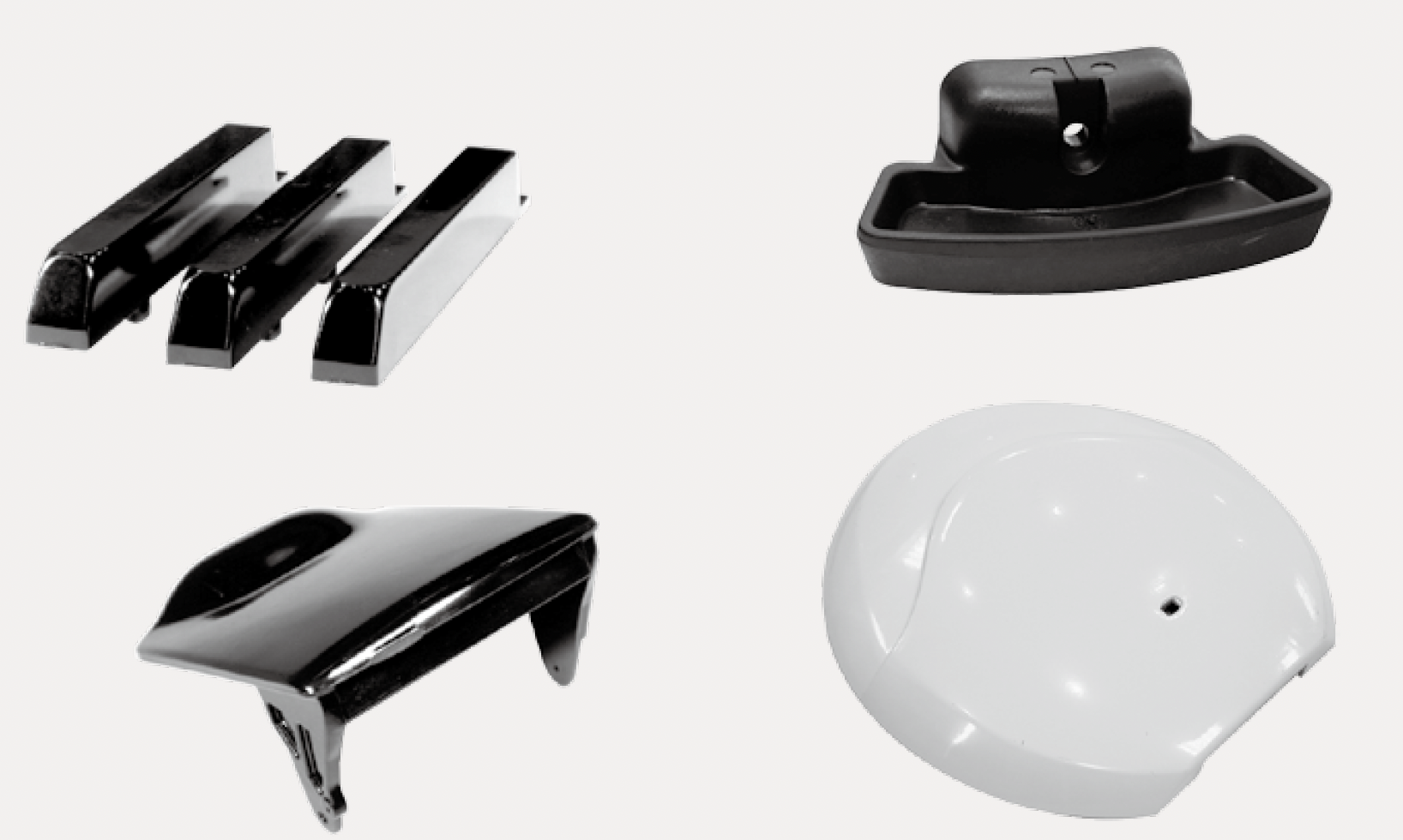
· Household appliance handles
· Automotive electrical components
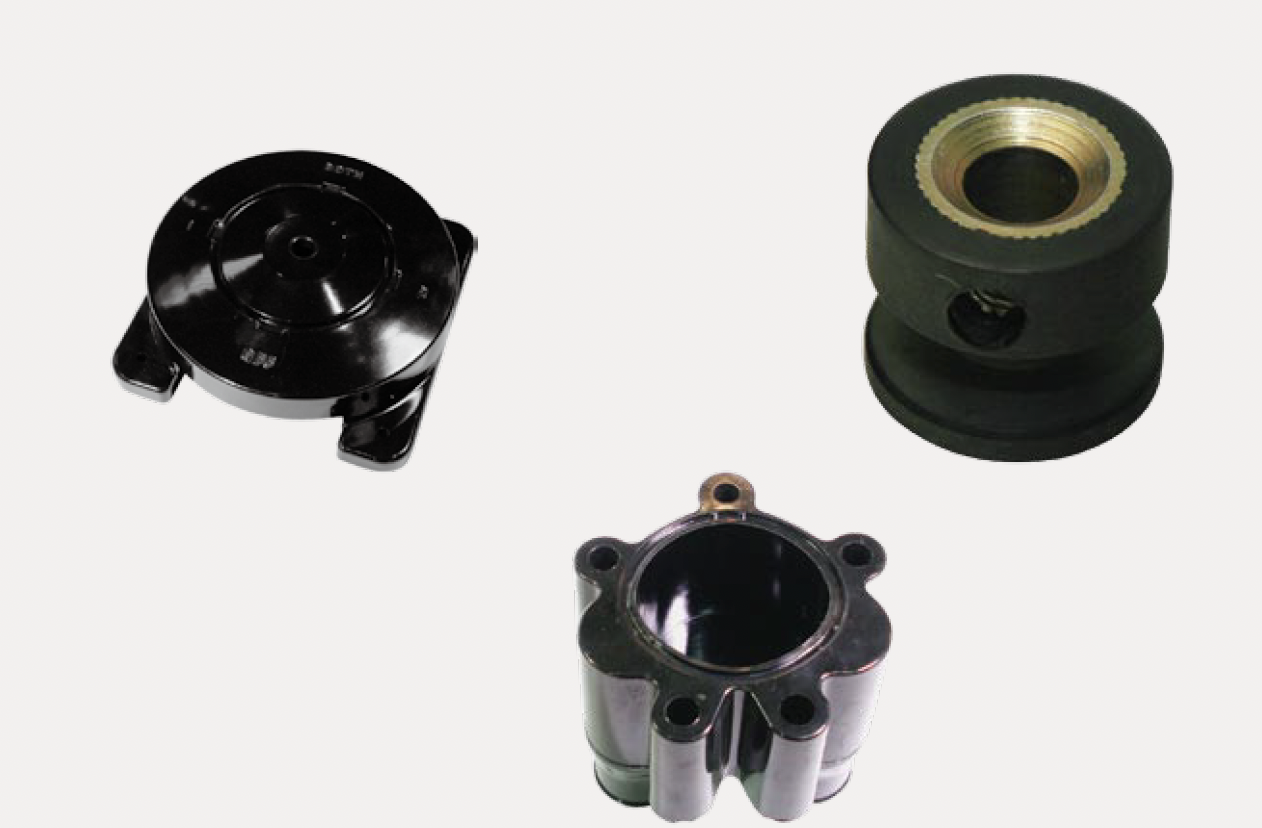
Thermoplastic vs. Thermoset
The easiest way to understand the difference is by looking at what happens when heat is applied.
Thermoplastic Materials
Examples include:
· ABS
· PC
· PA66
· PP
· PBT
· Nylon
Processing cycle:
Plastic Pellets
↓
Heat
↓
Melt
↓
Inject
↓
Cool
↓
Solidify
↓
Can be melted again
The molecular chains simply soften when heated and solidify when cooled.
This process can be repeated many times.
Thermoset Materials (Phenolic)
Processing cycle:
Phenolic Powder
↓
Soften
↓
Inject into Hot Mold
↓
Chemical Cross-linking
↓
Permanent Cure
↓
Cannot be melted again
Instead of cooling into shape, the material actually cures inside the mold.
Many experienced operators describe it simply as:
Plastic injection molding cools the material. Bakelite molding cooks the material.
That single sentence perfectly summarizes the difference.
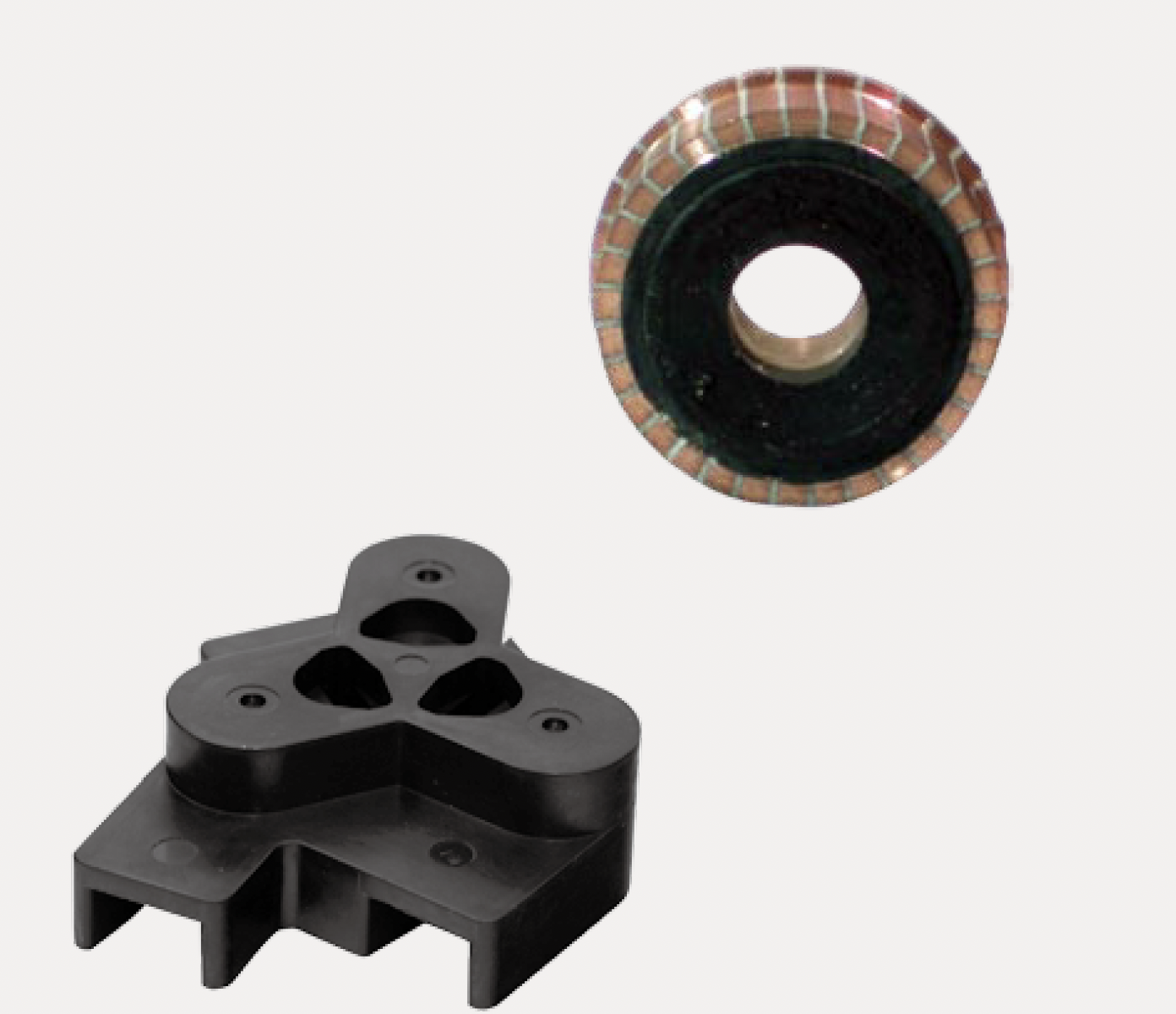
The Fundamental Difference: Cooling vs. Curing
Traditional injection molding relies on cooling.
The mold acts like a refrigerator.
The plastic enters as a liquid and leaves as a solid.
Bakelite molding works exactly the opposite way.
The mold behaves like an oven.
The material enters in a softened state and becomes permanently hardened through chemical reaction.
This is why Bakelite is often called a chemical molding process rather than a purely thermal molding process.
Why Bakelite Injection Machines Are Different
Although they resemble standard injection molding machines, Bakelite machines are specially designed.
Barrel Temperature
Plastic Injection
Typical barrel temperature:
ABS:
220°C
PC:
280°C
PA66:
260°C
The goal is to completely melt the material.
Bakelite Injection
Typical barrel temperature:
70–100°C
Why so low?
Because if the material cures inside the barrel, production stops immediately.
The barrel would become blocked with permanently hardened resin.
The machine is designed to prevent premature curing.
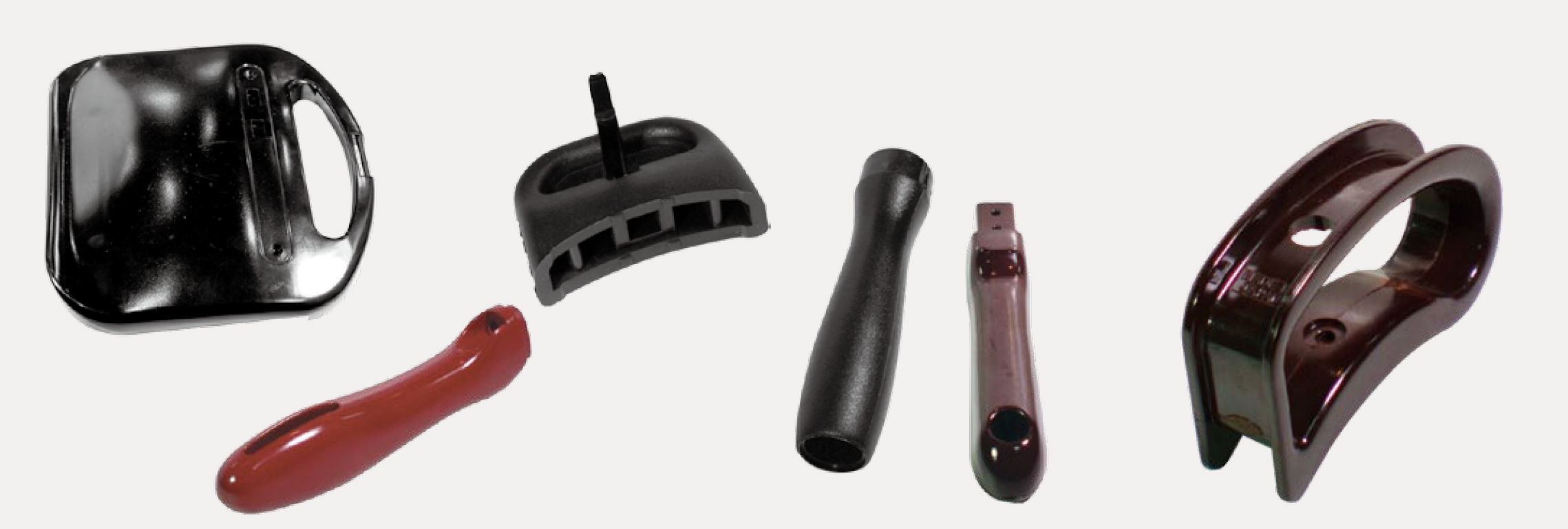
The Mold Temperature Is the Exact Opposite
Plastic injection molding:
Barrel:
220°C
↓
Mold:
40–80°C
Bakelite molding:
Barrel:
70–100°C
↓
Mold:
160–190°C
The mold is intentionally heated to initiate the curing reaction.
This is one of the most striking differences between the two technologies.
Different Screw Designs
Plastic injection screws are designed to:
· Melt
· Mix
· Homogenize
Compression ratio is typically around:
2.0–2.5
Bakelite screws are designed to:
· Convey
· Lightly plasticize
· Minimize shear heat
Compression ratio is usually:
1.1–1.3
Excessive shear can trigger premature curing inside the barrel.
Mold Design Differences
For mold engineers, this is where things become particularly interesting.
Heating System
A conventional plastic mold is cooled using water channels.
A Bakelite mold must be heated continuously.
Heating methods include:
· Oil temperature controllers
· Cartridge heaters
· Electric heating plates
The mold normally operates between:
160–190°C
Venting Is Much More Critical
During curing, phenolic materials release gases and volatile compounds.
Without adequate venting, defects such as:
· Burn marks
· Gas traps
· Short shots
· Surface defects
can occur.
Compared with conventional plastic molds, Bakelite molds often require:
· More vent locations
· Deeper vent maintenance
· More frequent cleaning
Many experienced mold makers even say:
A Bakelite mold is designed around venting.
Runner Design Matters Even More
Plastic runners can often be recycled.
Bakelite runners cannot.
Once cured, the material is permanently hardened.
This means:
Every gram of runner becomes waste.
As a result:
· Short runners
· Balanced flow
· Efficient gating
become much more important for cost control.
No Regrind Is Allowed
One major difference is material utilization.
Plastic Injection
Runner
↓
Grind
↓
Reuse
Many thermoplastics allow 10–30% regrind depending on customer requirements.
Bakelite
Runner
↓
Scrap
The cured material cannot be remelted.
This increases the importance of mold optimization.
Cycle Time: Cooling vs. Curing
Plastic injection molding cycle depends largely on:
· Wall thickness
· Cooling efficiency
· Mold temperature
Bakelite molding depends on:
· Cure time
· Mold temperature
· Chemical reaction
A thicker Bakelite component may require a significantly longer curing time to ensure complete cross-linking.
Removing the part too early can reduce mechanical strength and electrical performance.
Mold Maintenance
Plastic molds mainly suffer from:
· Wear
· Corrosion
· Scale
Bakelite molds experience additional challenges:
· Carbon deposits
· Resin buildup
· Blocked vents
· Surface contamination
Regular vent cleaning becomes essential for stable production.
Material Properties Comparison
Property | Bakelite (Phenolic) | ABS | PA66 GF30 | PBT GF30 |
Heat Resistance | ★★★★★ | ★★ | ★★★★ | ★★★★ |
Electrical Insulation | ★★★★★ | ★★★ | ★★★★ | ★★★★ |
Flame Resistance | Excellent | Requires FR | Requires FR | Requires FR |
Arc Resistance | Excellent | Poor | Moderate | Moderate |
Dimensional Stability | Excellent | Good | Affected by moisture | Good |
Recyclability | No | Yes | Yes | Yes |
Toughness | Moderate | Excellent | Excellent | Good |
Advantages of Bakelite
✔ Outstanding electrical insulation
✔ Excellent heat resistance
✔ Superior dimensional stability
✔ Excellent arc resistance
✔ Naturally flame resistant
✔ Long service life in harsh electrical environments
Limitations
Like every engineering material, Bakelite also has limitations.
· Cannot be remelted
· Material waste is higher
· Mold design is more demanding
· Longer curing cycle
· More brittle than many engineering plastics
· Specialized equipment is required
Which Process Should You Choose?
The answer depends entirely on the application.
If the part requires:
· High impact resistance
· Flexibility
· Transparent appearance
· Easy recycling
Thermoplastic injection molding is usually the better solution.
If the application demands:
· High operating temperature
· Electrical insulation
· Arc resistance
· Long-term dimensional stability
· Flame resistance
Bakelite remains one of the most reliable engineering materials available.
Engineering Perspective: It's More Than Just Another Plastic
Although both technologies are called "injection molding," they represent two entirely different manufacturing philosophies.
Plastic injection molding shapes material by cooling.
Bakelite molding creates parts through chemical curing.
Understanding these differences is essential for selecting the right material, designing the correct mold, and building reliable products for demanding industrial applications.
At Opro-tech Engineering, we believe that successful manufacturing begins with selecting the right process—not simply the right machine. Whether your project requires conventional thermoplastic injection molds or specialized thermoset tooling, understanding the material behavior is the first step toward producing high-quality, reliable components.