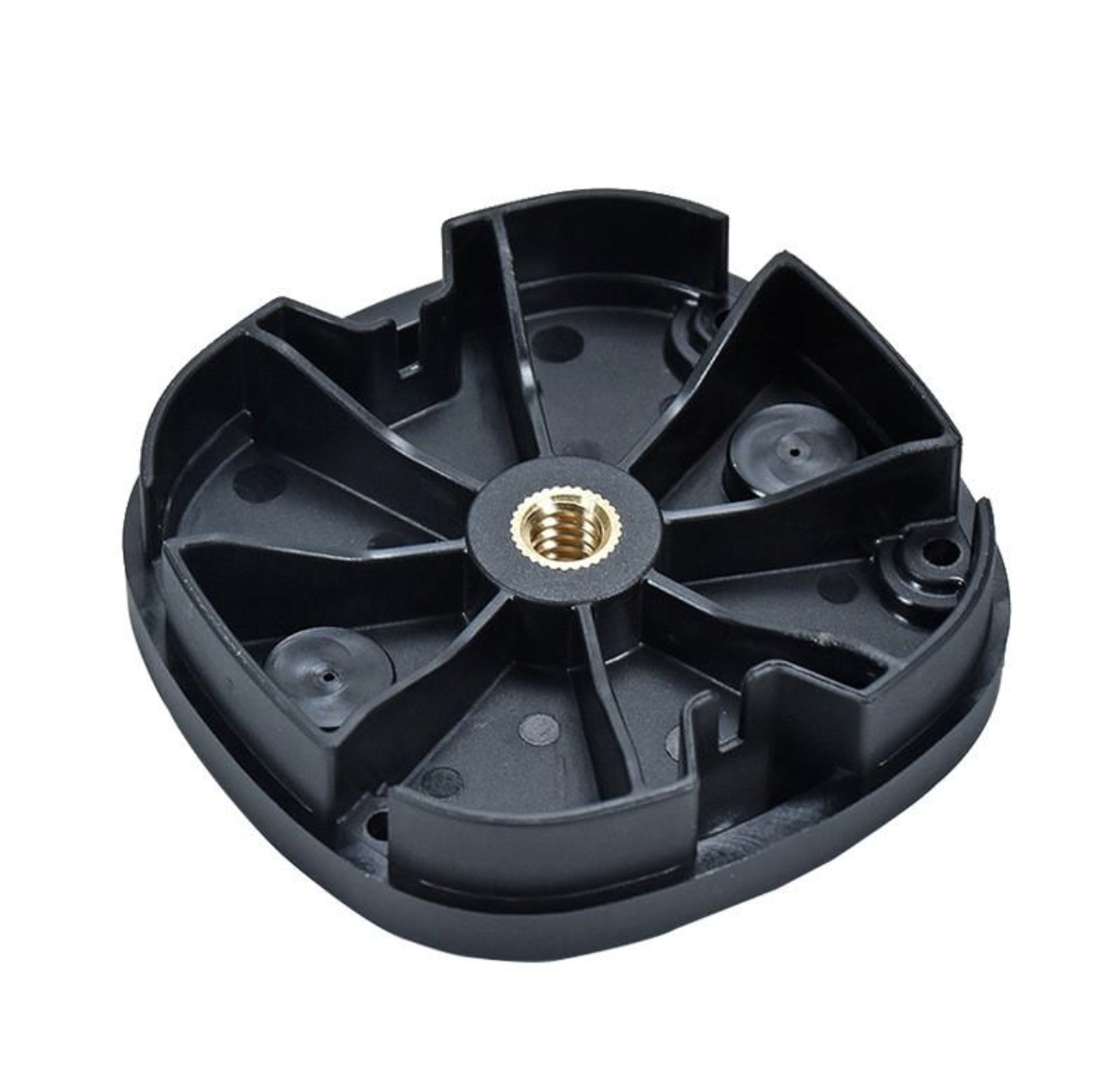
PPS-30GF Injection Molding: A Previous Tooling Project and Technical Insights

Material Focus: PPS (Polyphenylene Sulfide) – 30% Glass Fiber Reinforced
Project Reference: BSM92K61.2-6
Recorded Mold Configuration: 4 × 1
Company: Opro-Tech Engineering
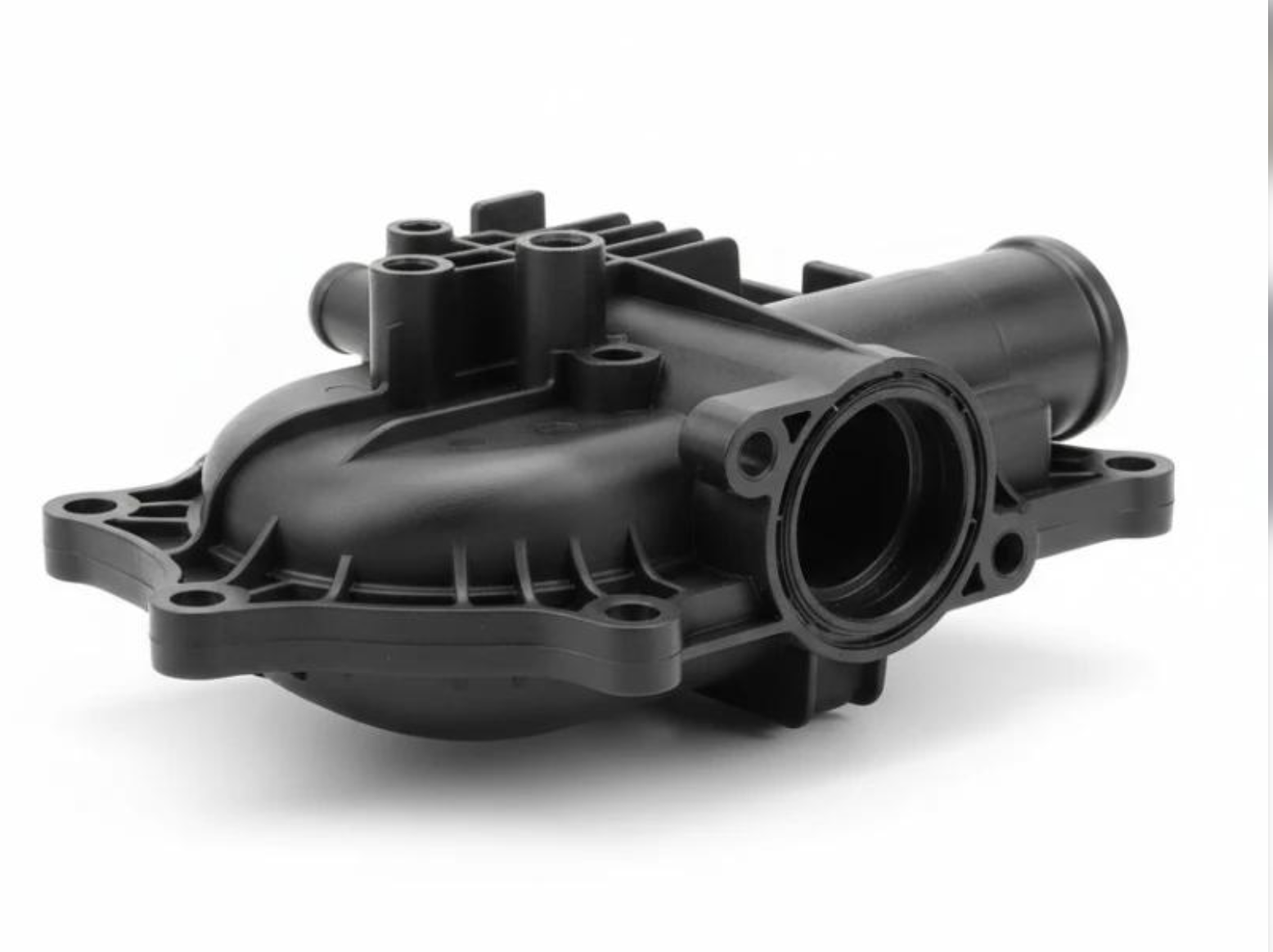
1. Introduction: Understanding PPS Engineering Plastic
In modern manufacturing, material selection plays an important role in product performance, durability, and long-term reliability.
For applications exposed to high temperatures, aggressive chemicals, or demanding mechanical conditions, conventional engineering plastics such as PA66 and PBT may not always provide sufficient performance.
This is where PPS (Polyphenylene Sulfide) becomes an attractive material option.
PPS is a semi-crystalline, high-performance thermoplastic known for its excellent thermal stability, chemical resistance, dimensional stability, and inherent flame-retardant characteristics.
When reinforced with glass fiber, PPS can achieve even higher stiffness, strength, and dimensional stability, making it suitable for demanding industrial applications.
At Opro-Tech, we have previous tooling experience with PPS-30GF, a glass-fiber-reinforced PPS material. One of our historical projects provides a practical reference for understanding this material and its tooling requirements.
2. Previous Project Experience: PPS-30GF Injection Mold
Project Reference: BSM92K61.2-6
Our historical project records identify PPS-30GF as the material specified for this injection mold project.
PPS-30GF refers to Polyphenylene Sulfide reinforced with approximately 30% glass fiber by weight.
The recorded mold configuration was 4 × 1.
This project represents our previous experience in tooling for glass-fiber-reinforced PPS materials.
Although the original processing parameters and detailed production records are not currently available, this project provides a valuable reference for our understanding of high-performance engineering plastic tooling.
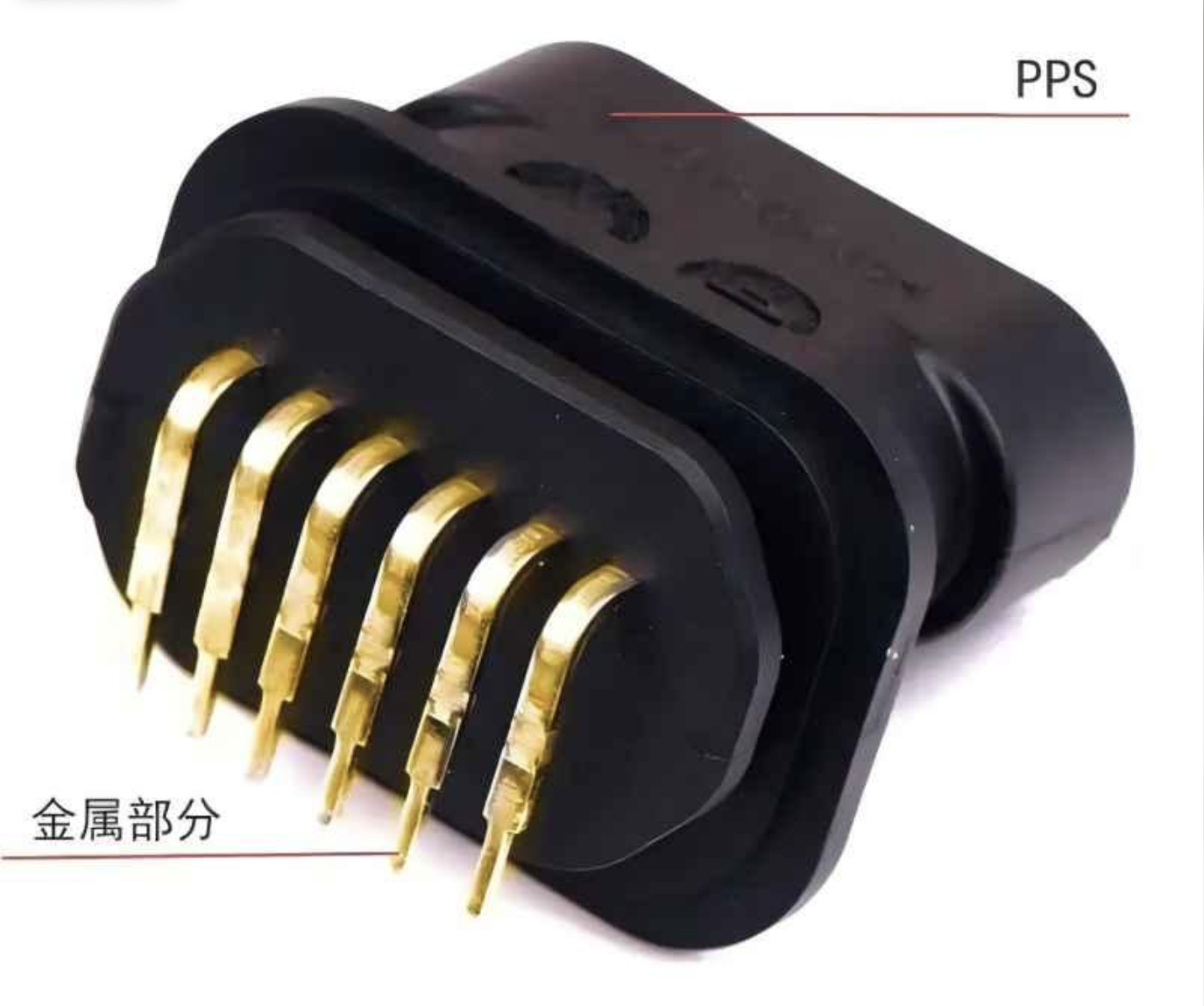
Key Project Information
Item | Project Information |
Project Reference | BSM92K61.2-6 |
Material | PPS-30GF |
Material Type | Glass-Fiber-Reinforced PPS |
Glass Fiber Content | 30% (as indicated by the material designation) |
Mold Configuration | 4 × 1 (as recorded) |
Note: The original material manufacturer, exact commercial grade, mold steel specification, injection parameters, and production volume have not yet been recovered from the historical records.
3. What Makes PPS-30GF Different?
PPS-30GF combines the inherent properties of PPS with the reinforcement effect of 30% glass fiber.
Compared with unfilled PPS, glass-fiber-reinforced PPS generally offers:
1. Higher Mechanical Strength and Stiffness
Glass fibers improve the rigidity and mechanical strength of the material.
This is particularly beneficial for structural components that must maintain their shape under mechanical loads.
2. Excellent Thermal Performance
PPS maintains its mechanical properties at elevated temperatures better than many conventional engineering plastics.
Glass fiber reinforcement further improves stiffness and resistance to deformation under heat.
3. Excellent Chemical Resistance
PPS has good resistance to many chemicals, solvents, oils, and industrial fluids.
This makes it suitable for selected components used in pumps, valves, and chemical processing equipment.
However, compatibility must always be verified against the actual chemical, concentration, temperature, and exposure duration.
4. Excellent Dimensional Stability
PPS has very low moisture absorption compared with materials such as PA66.
Glass fiber reinforcement can further reduce overall molding shrinkage, although shrinkage becomes anisotropic due to fiber orientation.
5. Good Electrical Insulation
PPS offers good electrical insulation properties and is widely used in electrical and electronic components exposed to elevated temperatures.
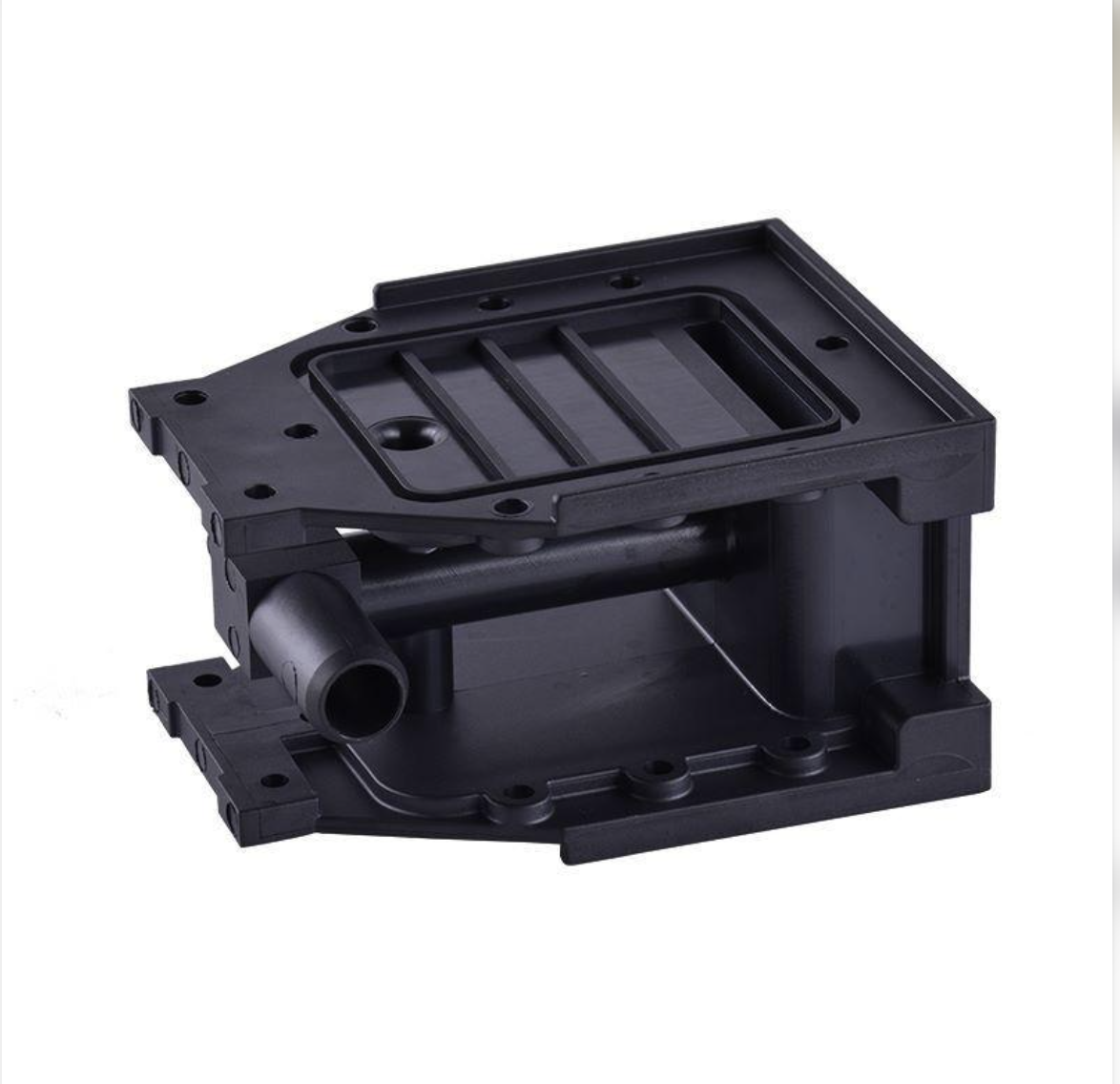
4. Key Considerations for PPS Injection Mold Design
Working with PPS-30GF requires particular attention to mold design, material flow, thermal management, and dimensional control.
4.1 Mold Material and Wear Resistance
Glass fibers are abrasive and can cause significant wear to mold surfaces, particularly around:
·
Gates and runners.
·
·
High-velocity flow areas.
·
·
Narrow flow channels.
·
·
Areas exposed to repeated material flow.
·
Appropriate mold steel selection, surface hardness, and wear-resistant treatments should be considered according to the expected production volume and material grade.
The objective is to maintain cavity geometry, dimensional accuracy, and consistent product quality throughout the mold's service life.
4.2 Gate and Runner Design
PPS-30GF contains glass fibers that influence melt flow behavior and fiber orientation.
Gate design should consider:
·
Gate size and position.
·
·
Melt flow direction.
·
·
Fiber orientation.
·
·
Pressure loss during filling.
·
·
Potential weld-line locations.
·
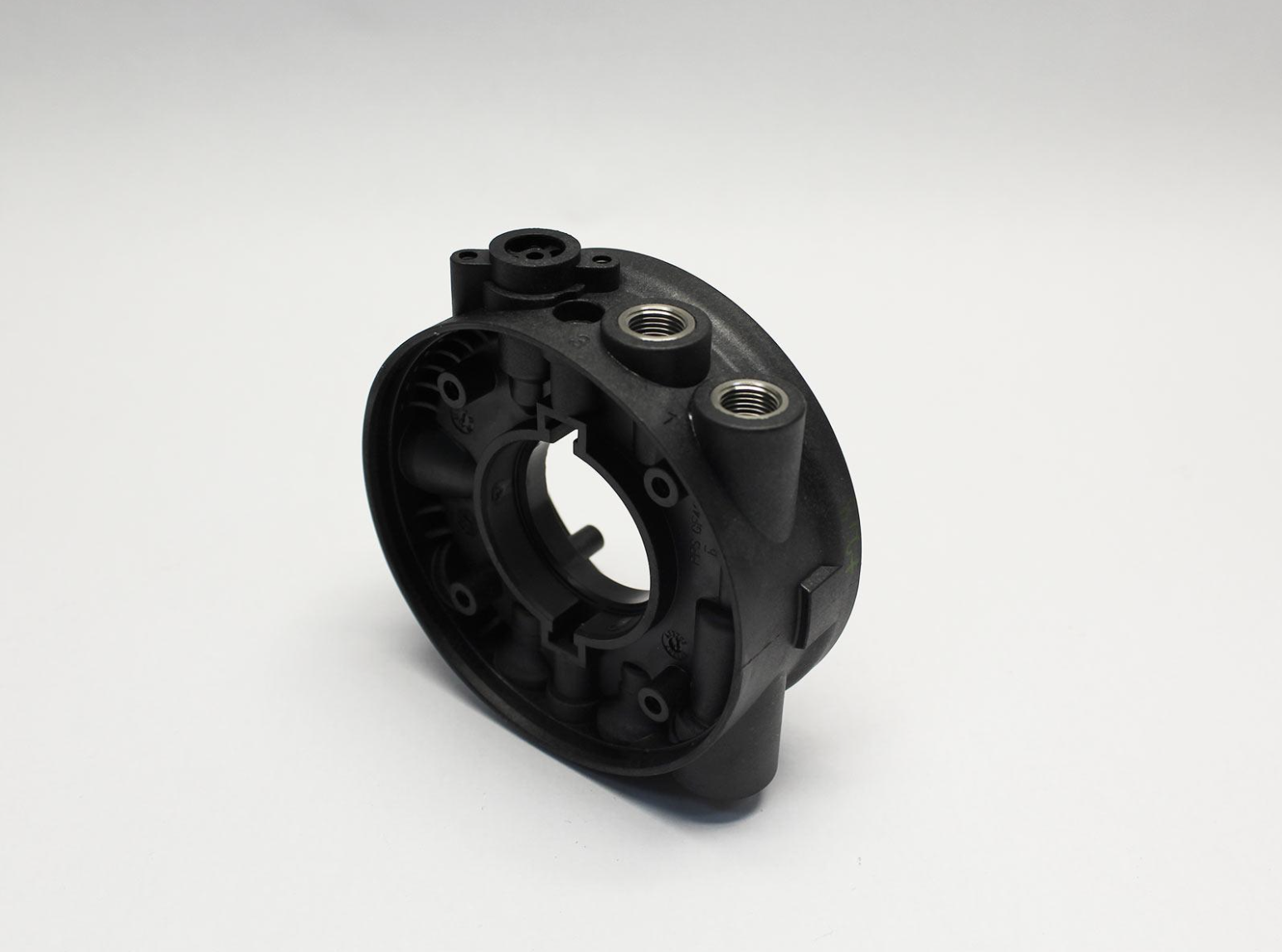
Poor gate positioning may result in uneven fiber distribution, anisotropic shrinkage, and dimensional deformation.
4.3 Shrinkage and Warpage Control
One of the important challenges when molding glass-fiber-reinforced PPS is controlling dimensional variation.
Glass fibers tend to align with the melt flow direction.
As a result, shrinkage in the flow direction may differ significantly from shrinkage in the transverse direction.
This anisotropic behavior can cause:
·
Warpage.
·
·
Uneven dimensional changes.
·
·
Flatness deviations.
·
·
Differences between nominal and actual dimensions.
·
For precision components, Moldflow analysis, appropriate gate positioning, and practical mold trials can help optimize the design.
Shrinkage values should be based on the specific material grade, product geometry, fiber orientation, and actual molding conditions rather than using a single general-purpose value.
4.4 Mold Temperature and Thermal Management
PPS is a semi-crystalline polymer.
Mold temperature has an important influence on crystallization, mechanical properties, dimensional stability, and the final appearance of molded components.
A properly designed mold temperature-control system is therefore essential.
The appropriate mold temperature should be established according to the material manufacturer's technical data sheet and validated through injection trials.
4.5 Venting and Filling Balance
Proper venting is important to prevent trapped air, gas-related defects, and incomplete filling.
For glass-fiber-reinforced PPS, the filling process should also be optimized to reduce excessive shear, unstable flow, and potential fiber-related surface defects.
A balanced filling system helps improve product consistency and dimensional repeatability.
5. PPS Injection Molding: Processing Considerations
PPS requires higher processing temperatures than many conventional engineering plastics.
The following points should be considered during production:
Process | Key Considerations |
Material Drying | Follow the specific resin manufacturer's drying recommendations. |
Barrel Temperature | Select according to the PPS grade and processing window. |
Mold Temperature | Control crystallization and dimensional stability. |
Injection Speed | Optimize filling behavior and fiber orientation. |
Holding Pressure | Adjust to compensate for material shrinkage without causing excessive stress. |
Cooling Time | Ensure sufficient cooling and dimensional stability before ejection. |
Machine Components | Check the suitability of the screw, barrel, and nozzle for high-temperature processing and abrasive reinforced materials. |
Important: PPS processing parameters vary between manufacturers and grades. The actual processing window should always be established using the resin manufacturer's TDS and processing guidelines.
6. Typical Applications of PPS-30GF
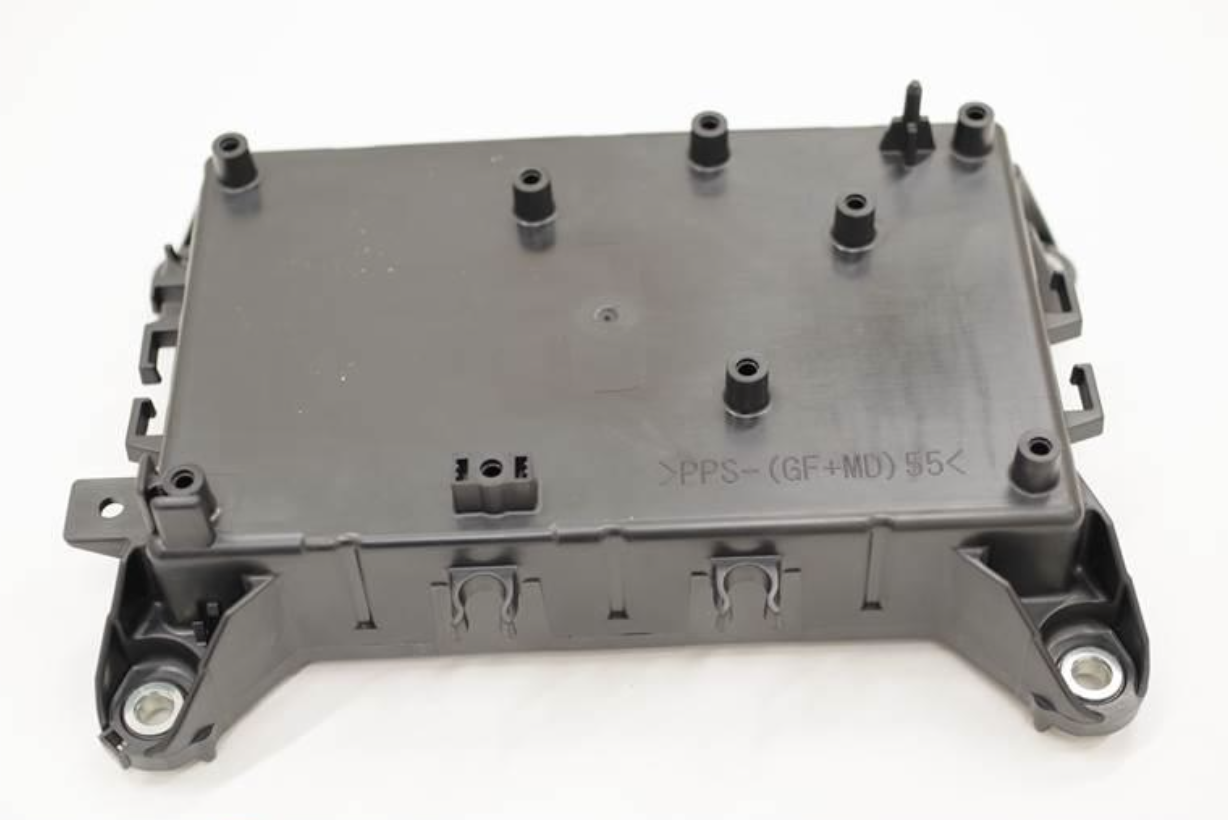
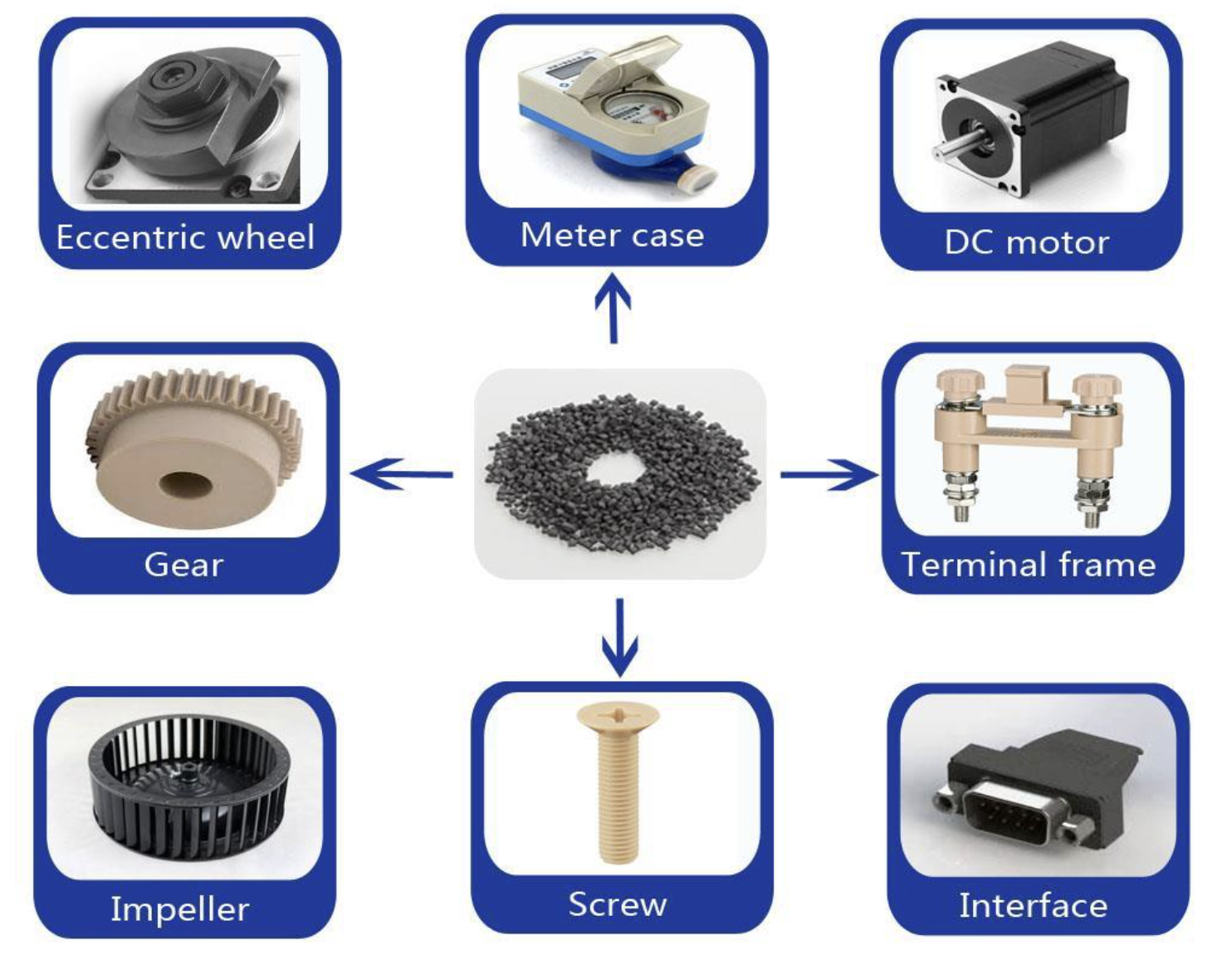
Due to its combination of thermal, mechanical, chemical, and electrical properties, PPS-30GF is used in a wide range of demanding applications.
6.1 Automotive Industry
Typical applications include:
·
Electric motor components.
·
·
Sensor housings.
·
·
Electrical connectors.
·
·
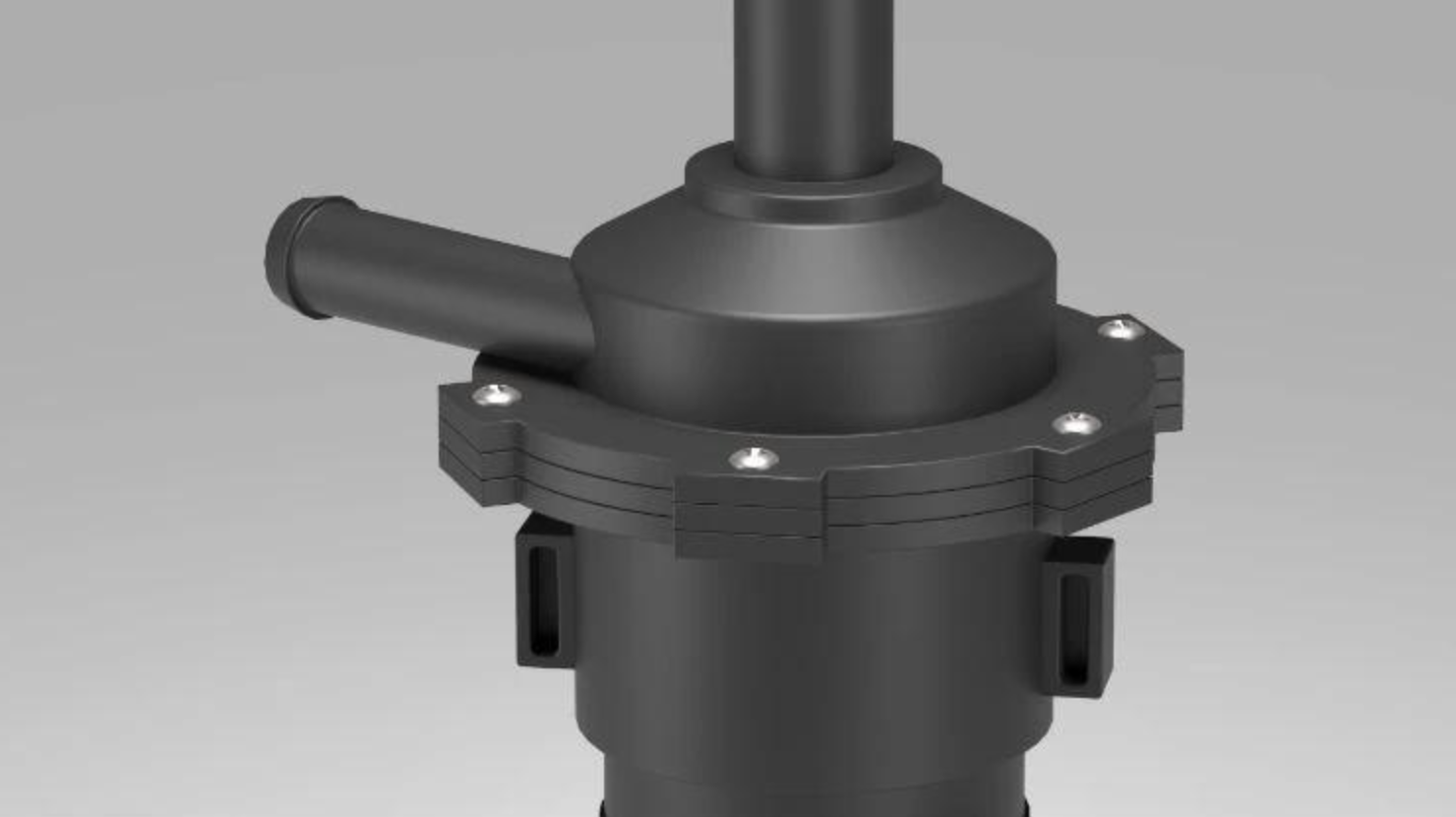
Pump housings.
·
·
Thermal management components.
·
PPS is particularly useful in automotive environments where components must withstand elevated temperatures and exposure to oils or other fluids.
6.2 Industrial Pumps and Fluid Control Systems
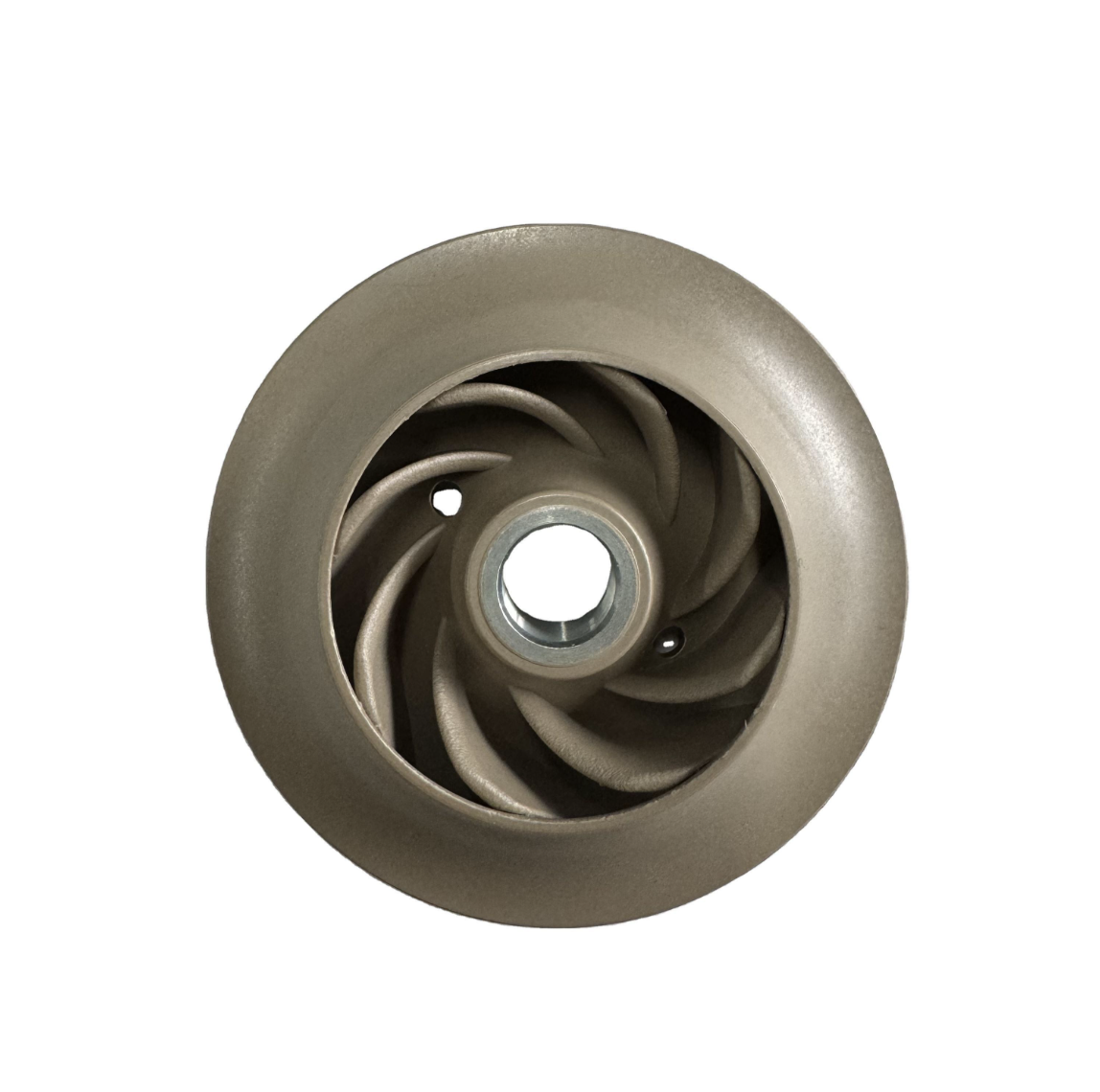
PPS is an attractive material for selected pump and fluid-control components.
Potential applications include:
·
Pump housings.
·
·
Impellers.
·
·
Valve components.
·
·
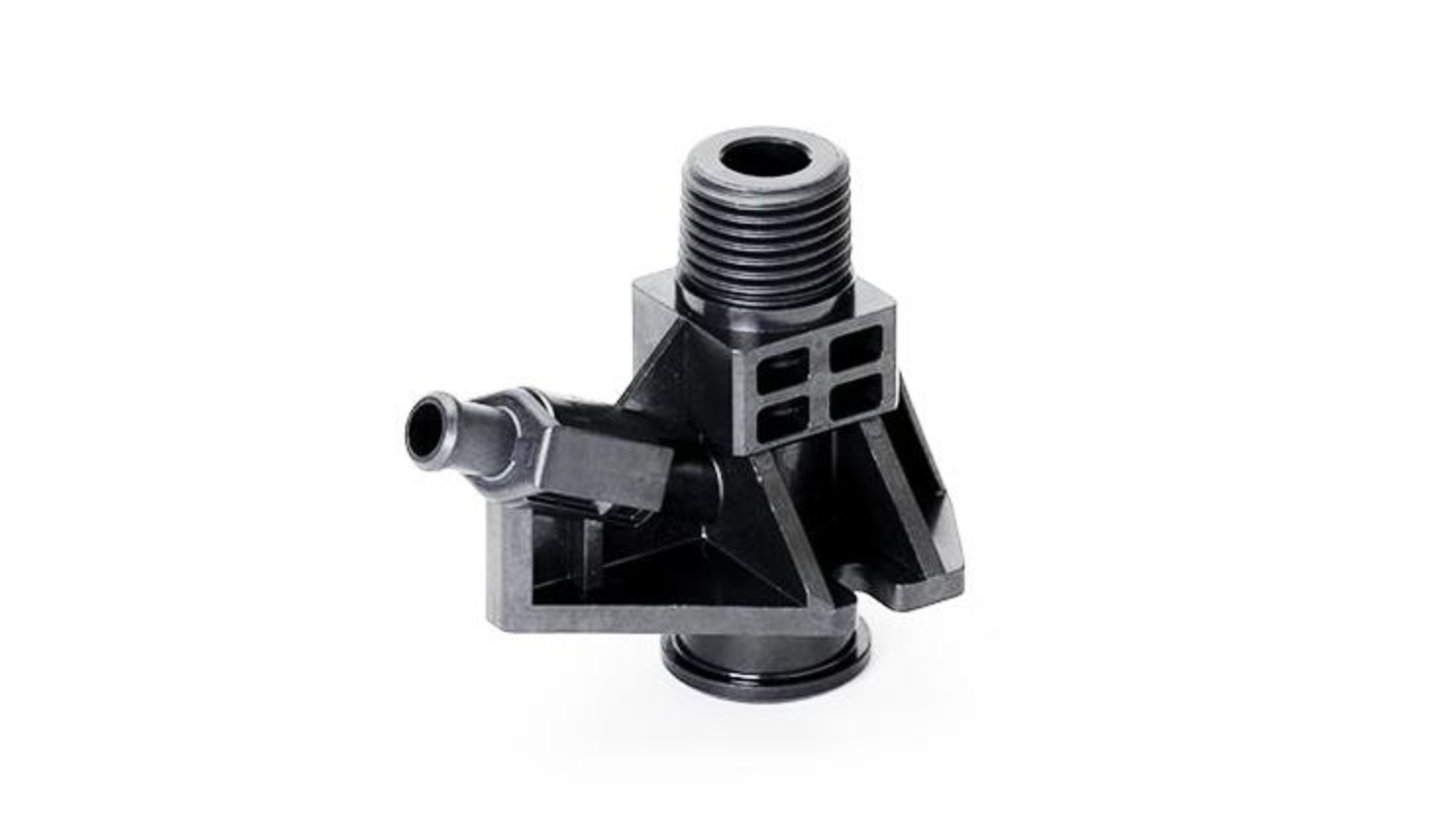
Fluid connectors.
·
·
Structural components exposed to industrial fluids.
·
Its chemical resistance and dimensional stability can provide advantages in demanding fluid-handling environments.
For pump applications, however, the final material selection must consider pressure, temperature, fluid compatibility, mechanical loading, and operating life.
6.3 Electrical and Electronics Industry
PPS is widely used in electrical and electronic components requiring good insulation and thermal resistance.
Examples include:
·
Electrical connectors.
·
·
Coil bobbins.
·
·
Relay housings.
·
·
Insulating structures.
·
·
High-temperature electronic components.
·
6.4 Industrial Equipment and Machinery
PPS-30GF can also be considered for precision structural components in industrial machinery.
Its stiffness, dimensional stability, and resistance to various chemicals make it suitable for selected demanding applications.
7. PPS vs. Other Engineering Plastics
Understanding the differences between PPS and conventional engineering plastics helps engineers make better material selections.
Property | PA66 GF30 | PBT GF30 | PPS GF30 | PEEK |
Heat Resistance | Good | Good | Excellent | Excellent |
Chemical Resistance | Moderate to Good | Good | Excellent | Excellent |
Moisture Absorption | Relatively High | Low | Very Low | Very Low |
Dimensional Stability | Good | Good | Excellent | Excellent |
Mechanical Stiffness | Good | Good | High | High |
Relative Material Cost | Low to Medium | Low to Medium | High | Very High |
Note: This is a general qualitative comparison. Actual performance depends on resin grade, reinforcement, test conditions, and operating environment.
PPS is often considered when PA66 or PBT cannot sufficiently meet the required thermal, chemical, or dimensional performance.
PEEK may be selected for even more demanding environments, although its significantly higher material cost must also be considered.
8. How Opro-Tech Can Support PPS Projects
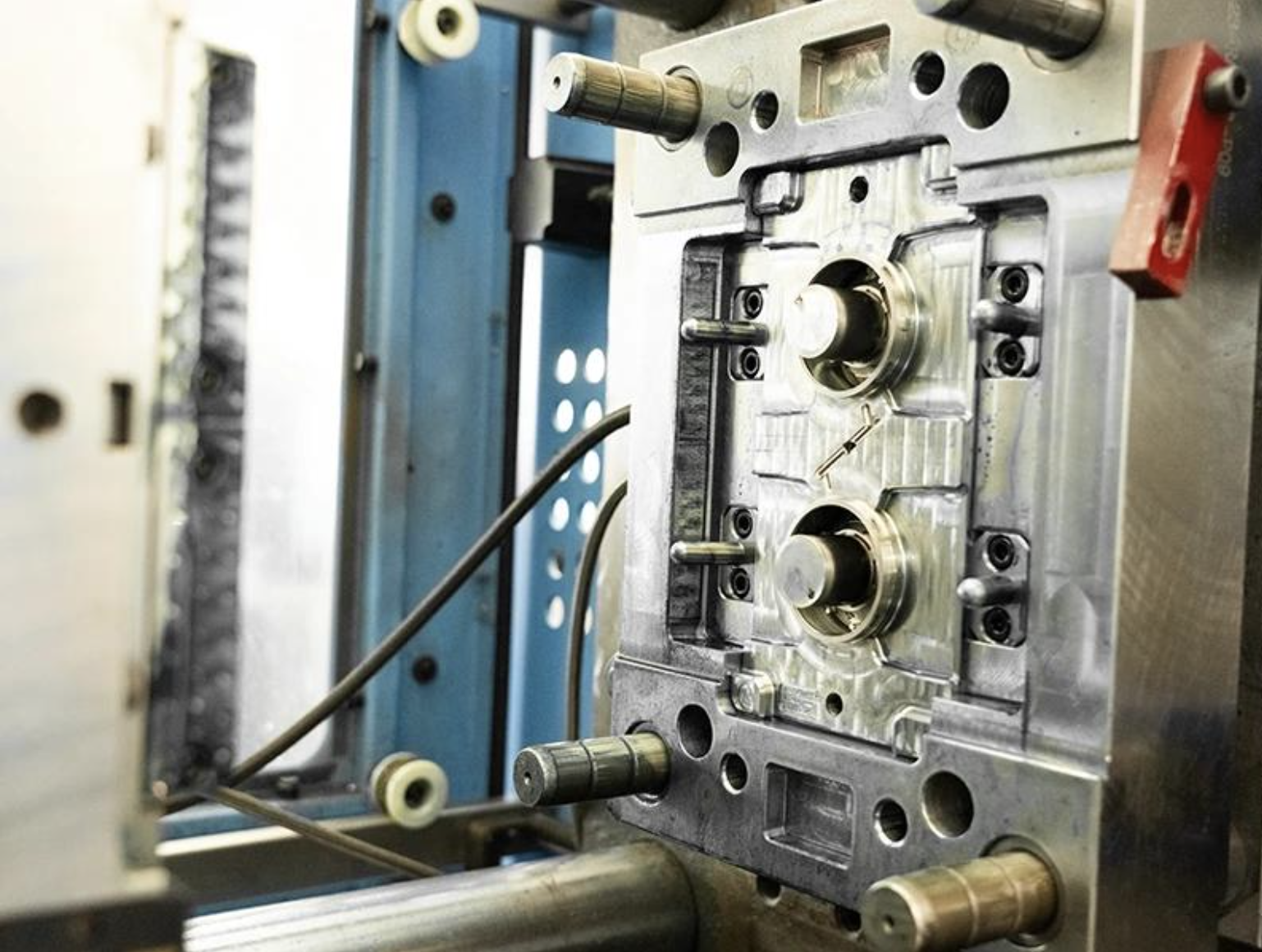
At Opro-Tech, our manufacturing capabilities cover plastic injection mold design and manufacturing, precision machining, and injection molding solutions.
Our previous PPS-30GF tooling project provides a historical reference for working with glass-fiber-reinforced high-performance thermoplastics.
For new PPS projects, we can support customers through:
·
DFM analysis and mold design optimization.
·
·
Gate, runner, and cooling system design.
·
·
Mold steel and wear-resistance considerations.
·
·
Moldflow analysis for filling and warpage evaluation.
·
·
Injection mold manufacturing and precision machining.
·
·
Mold trials and dimensional inspection, subject to project requirements.
·
For each new PPS project, we recommend reviewing the exact resin grade, product geometry, dimensional tolerances, operating environment, and production requirements before finalizing the tooling and processing solution.
9. Conclusion
PPS-30GF is more than just another engineering plastic. It is a high-performance material designed for applications where thermal resistance, mechanical stiffness, chemical resistance, and dimensional stability are essential.
Our historical project BSM92K61.2-6 demonstrates Opro-Tech's previous tooling experience with PPS-30GF.
We believe that understanding material behavior is just as important as manufacturing the mold itself.
By combining material knowledge, mold engineering, precision machining, and practical manufacturing experience, we aim to help customers develop reliable and manufacturable plastic components for demanding industrial applications.
Opro-Tech Engineering
LET MANUFACTURING INNOVATE THE FUTURE.