Precision Surface Finishing: Choosing the Right Process for Your Product

In high-precision manufacturing, achieving tight tolerances and high surface finish is critical. Choosing the right finishing process not only ensures product performance but also reduces assembly issues and increases product lifespan. Among the most common processes for cylindrical and tubular components are Grinding, Honing, and Optical Profile Grinding. Understanding the differences and proper applications of each can help engineers and manufacturers select the optimal solution.
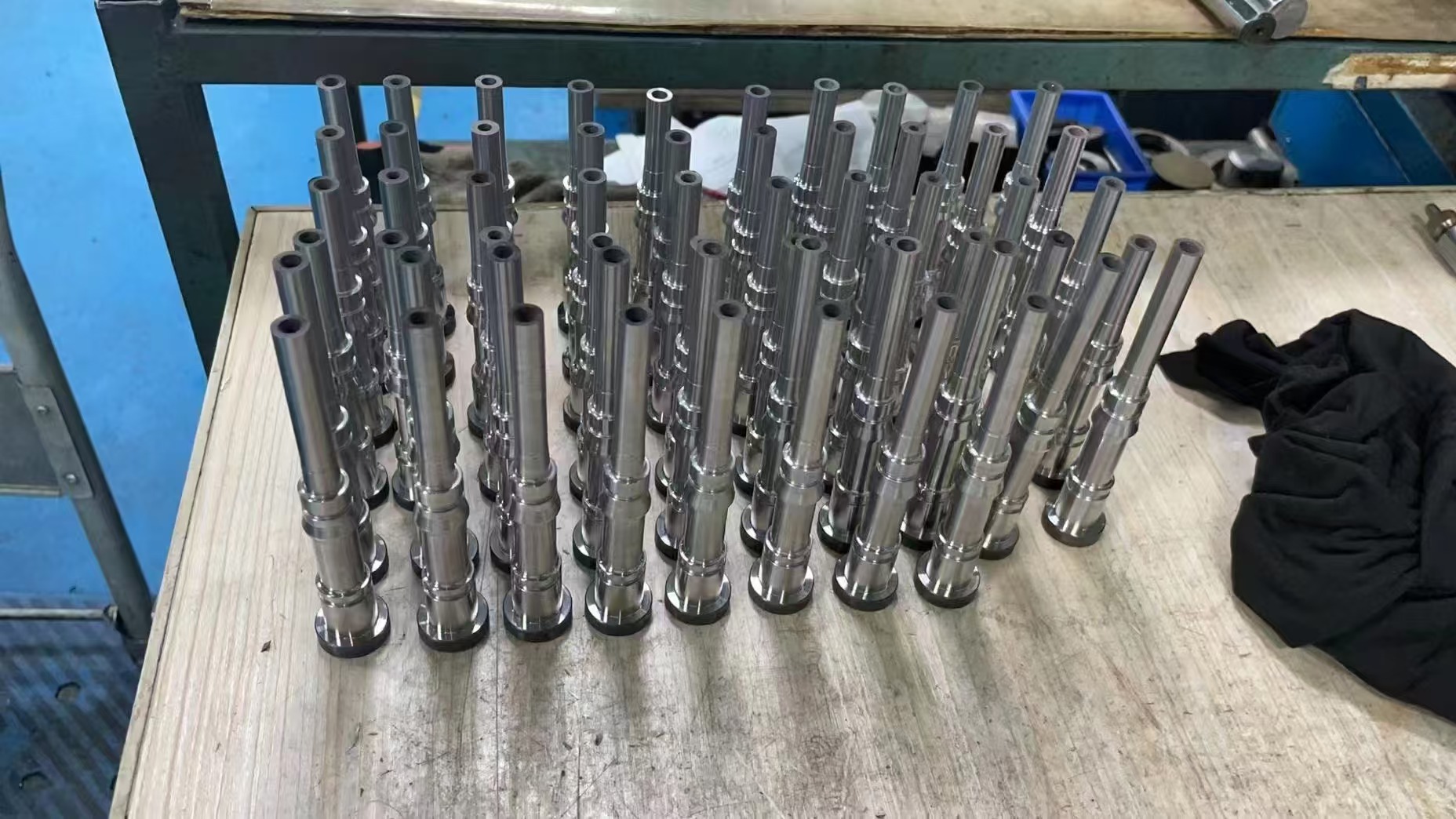
1. Grinding: The Versatile Workhorse
Grinding is a high-speed material removal process that uses a rotating abrasive wheel to cut the workpiece. It can be applied to outer diameters, inner diameters, flat surfaces, and complex profiles.
Key Characteristics:
- High dimensional accuracy
- Can handle both roughing and finishing
- Capable of complex geometries
- Surface finish typically ranges from Ra 0.2–1 μm
Typical Applications:
- Cylindrical shafts and tubes
- Flat precision surfaces
- Optical profile components when paired with optical measurement feedback
When to choose:
Use grinding when you need to remove a significant amount of material while maintaining high precision or when the workpiece has a complex shape.
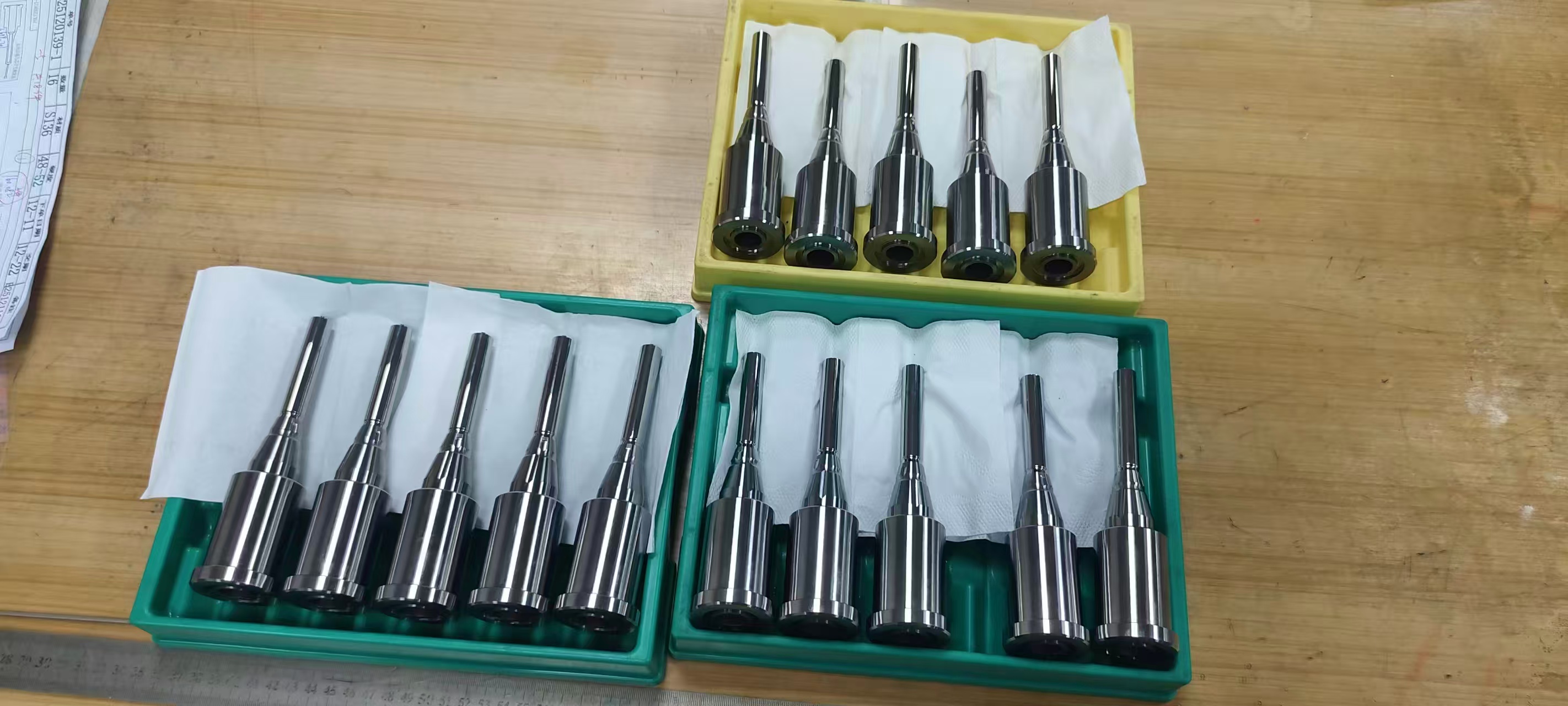
2. Honing: Precision Inside the Hole
Honing is a specialized process used primarily for internal cylindrical surfaces. It involves a rotating or reciprocating abrasive tool (often called a honing tool or mandrel) that gradually removes material to improve diameter, roundness, straightness, and surface finish.
Key Characteristics:
- Ultra-high dimensional accuracy (±0.004 mm or better)
- Excellent surface finish (Ra as low as 0.1–0.2 μm)
- Typically used for internal bores
Typical Applications:
- Sliding bearing sleeves
- Hydraulic cylinders
- Long tubular components requiring precise internal diameters
When to choose:
Honing is ideal when inner bore precision and smooth surface finish are critical. It complements grinding for components that also require tight concentricity between inner and outer diameters.
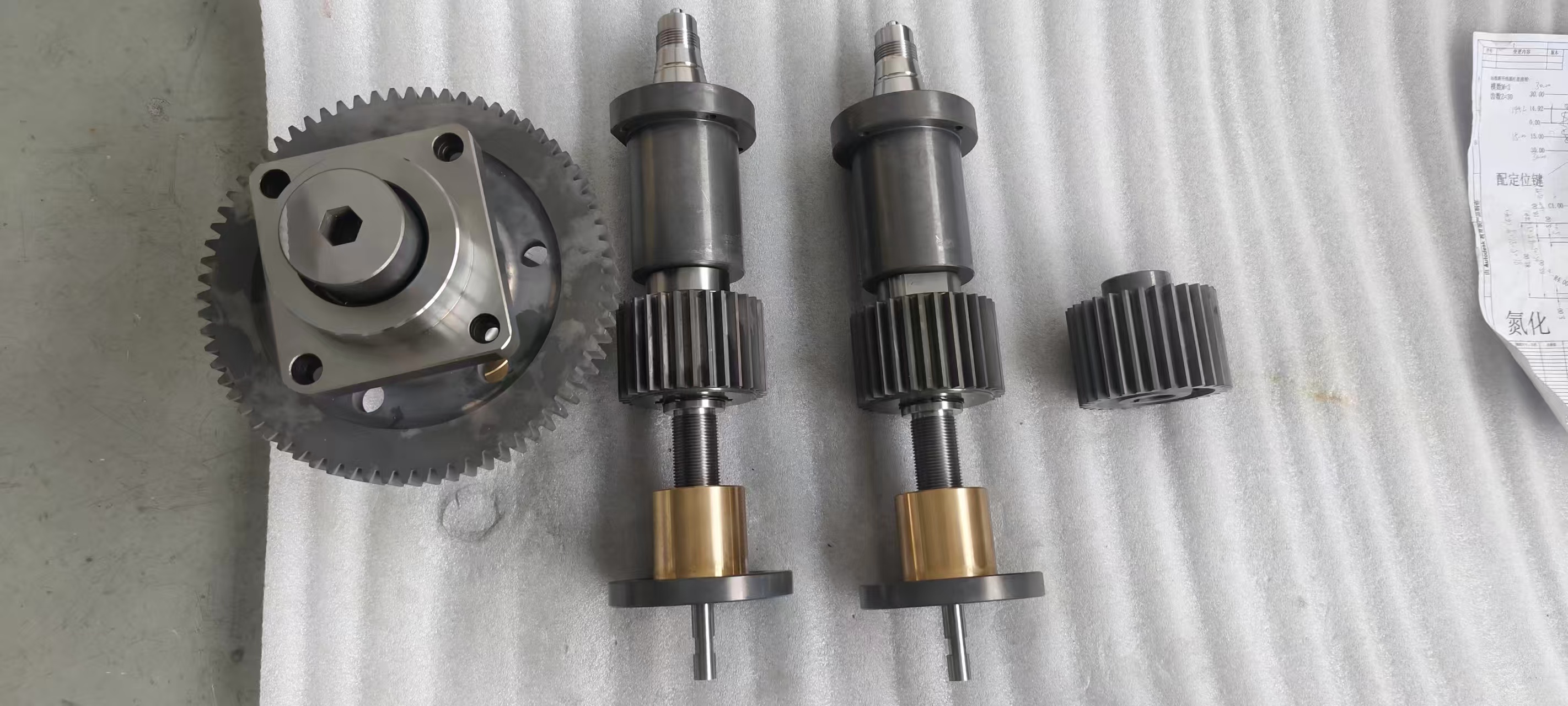
3. Optical Profile Grinding: Perfecting Complex Surfaces
Optical Profile Grinding combines precision grinding with optical measurement feedback. This allows manufacturers to achieve ultra-precise profiles and mirror-like surface finishes, even on non-cylindrical or complex shapes.
Key Characteristics:
- Real-time optical monitoring ensures adherence to design profiles
- Achieves sub-micron tolerance and very low surface roughness
- Suitable for precision molds, optical components, and high-performance bearing rollers
When to choose:
This process is used when dimensional accuracy and surface quality must be flawless, especially for critical functional or mating surfaces.
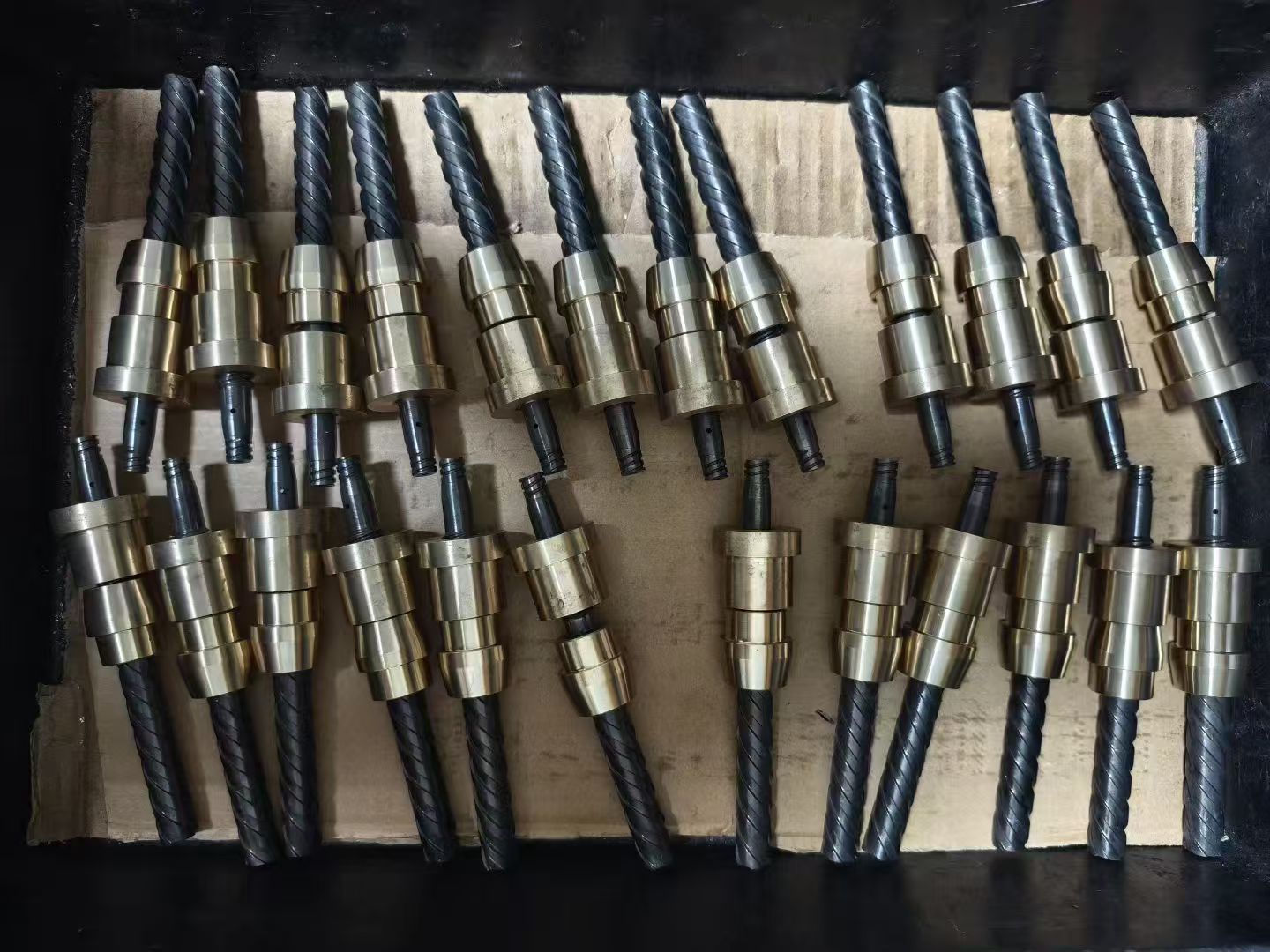
4. Practical Case: Long Tubular Components
Recently, we produced 100 long tubular components with the following requirements:
- Internal bore: ±0.004 mm tolerance
- Outer diameter: high circularity and smooth surface
- Length: significant, requiring careful tool support
Process Combination:
-
Internal Bore Honing (via precision honing machine)
- Achieved ±0.004 mm tolerance
- Surface finish Ra 0.15 μm
-
External Diameter Centreless Grinding
- Ensured high roundness for outer diameter
- Suitable for long tubes without the need for center clamping
Outcome:
- Both inner and outer surfaces met client specifications
- Improved concentricity and assembly performance
- Demonstrated that combining honing for internal bores and centreless grinding for outer diameters ensures maximum precision and efficiency
5. Choosing the Right Process
| Process | Main Focus | Surface Tolerance | Typical Application |
|---|---|---|---|
| Grinding | Outer/inner surfaces, complex shapes | Ra 0.2–1 μm | Shafts, flat surfaces, optical profiles |
| Honing | Internal bore | Ra 0.1–0.2 μm | Bearings, cylinders, precision tubes |
| Optical Profile Grinding | Complex profiles with optical feedback | Sub-micron | Precision molds, optical components |
Tip: Often, the best results come from combining processes — e.g., grinding to rough shape, honing for final bore precision, optical profile grinding for critical surfaces.
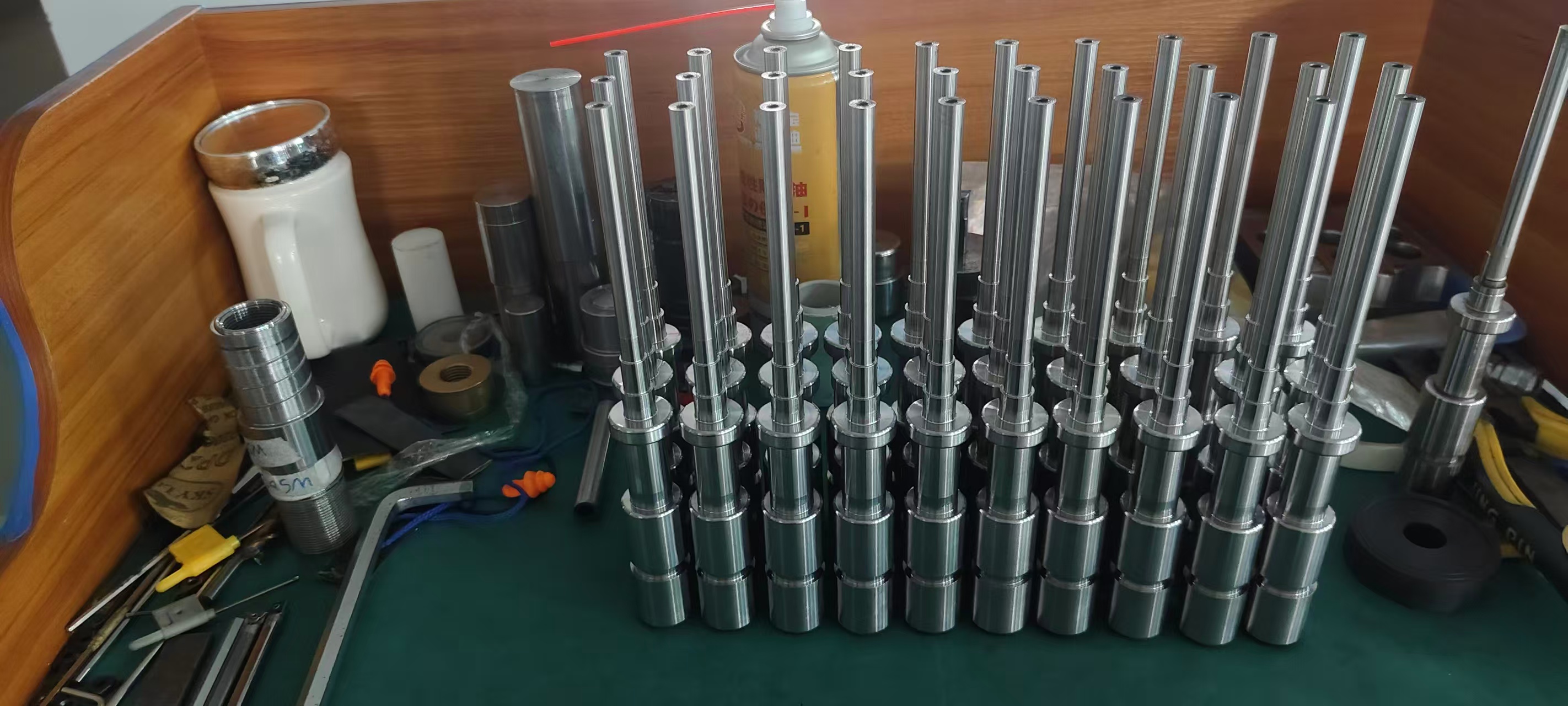
At Opro tech, we specialize in precision manufacturing for high-tolerance components. Whether your project involves long tubes, bearing sleeves, or complex optical profiles, our experienced team can help select and implement the optimal finishing process to meet your exact requirements.
We welcome collaboration on new projects, prototype development, or batch production. Let’s work together to achieve the highest level of precision for your components.
Contact us today to discuss your next project — we’re ready to bring your designs to life with unmatched precision and quality.