Lesson Learned: When “Equivalent Steel” Is NOT Equivalent – A Real Case from an Overseas Project

In international manufacturing projects, especially when dealing with structural steel, one of the most underestimated risks is material specification misunderstanding.
Recently, we experienced a real case with a North American customer that clearly showed:
Even when materials look “equivalent” on paper, they can still be rejected — and cost you the entire project.
This article shares what happened, what went wrong, and the key technical lessons behind it.
1. Project Background
The customer specified the following materials:
- EN 10025 → S355J2+N
- EN 10210 → S355J2H
- EN 10025 → S355J2G3
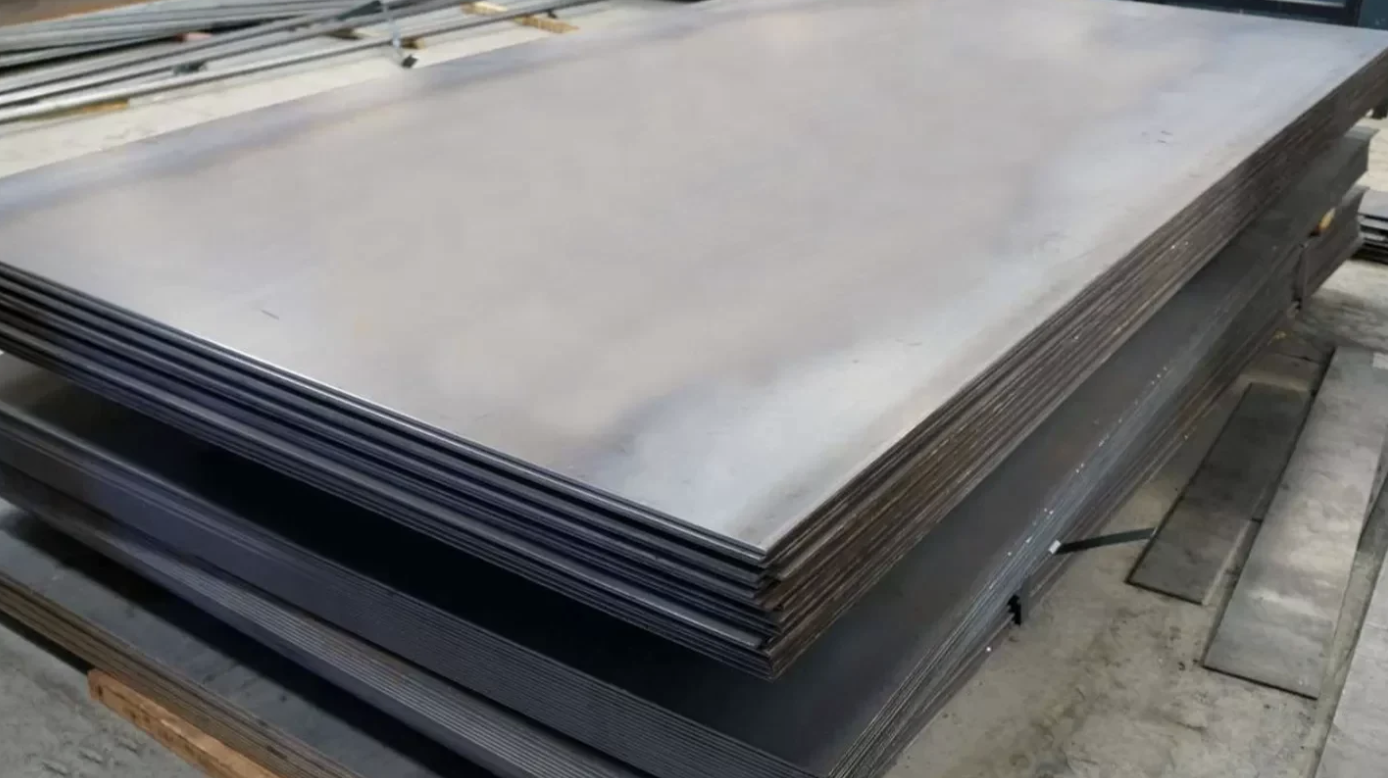
At first glance, these are standard European structural steels.
Our internal sourcing team proposed:
👉 Chinese equivalent: Q355D
Based on general industry understanding:
- S355 ≈ Q355 (same yield strength: 355 MPa)
- J2 ≈ D (impact at -20°C)
So we provided a Q355D material certificate to the customer for approval.
2. Customer Rejection
The feedback we received was:
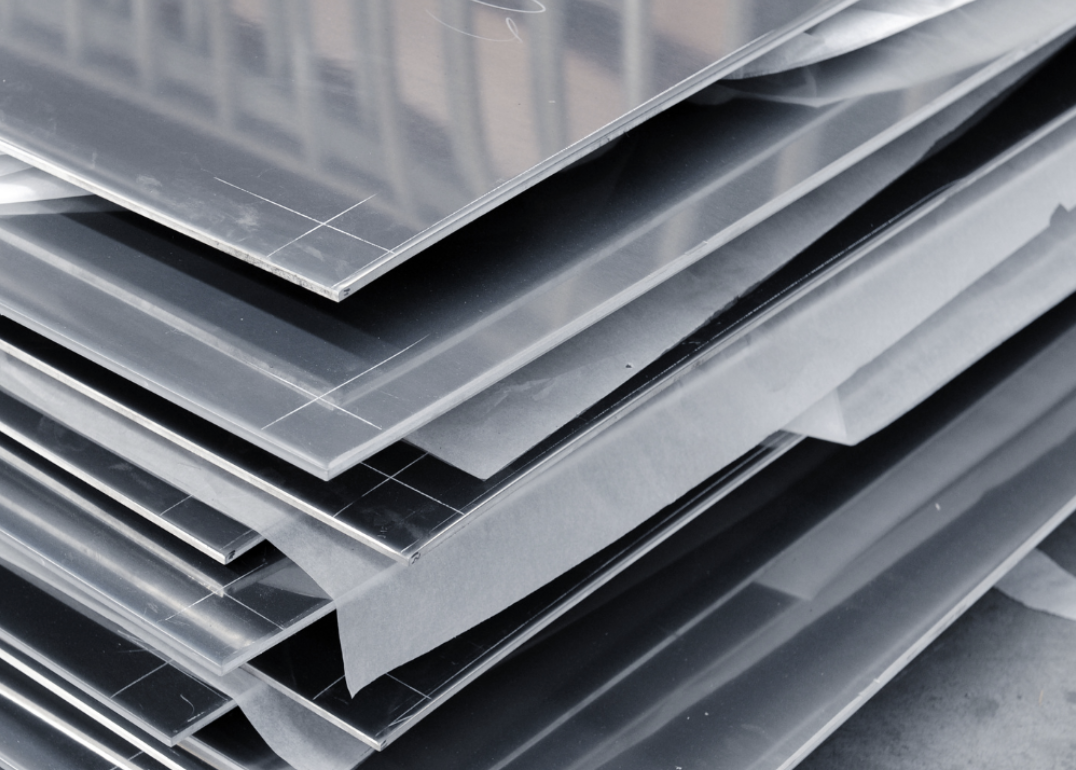
Material not accepted due to:
· ❌ Impact test incorrect (tested at +20°C instead of -20°C)
· ❌ Normalization missing
· ❌ Missing furnace and casting process information
This was a critical moment.
From a sales perspective, we almost lost the project.
From a technical perspective, we realized:
👉 We didn’t fully understand the material requirement beyond the grade name.
3. Where Things Went Wrong
3.1 Misunderstanding “Q355D”
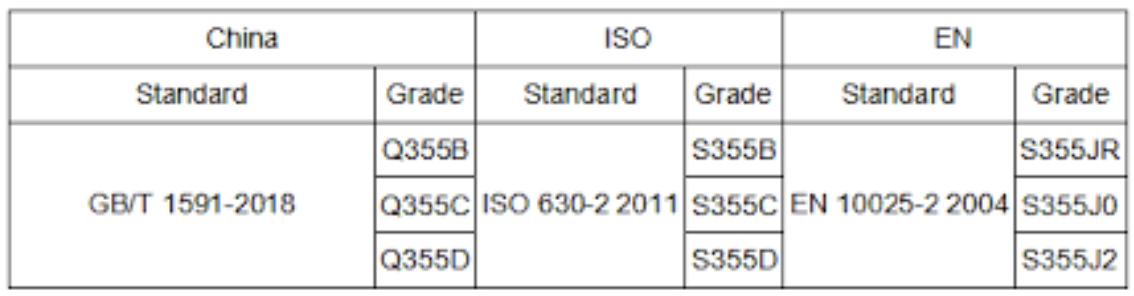
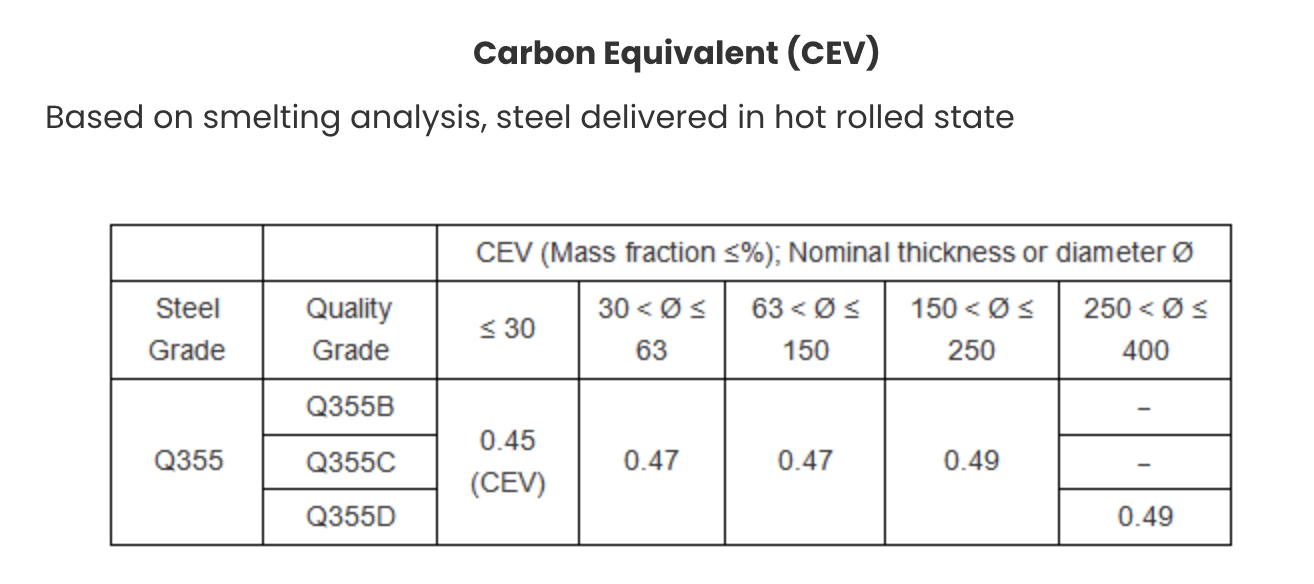
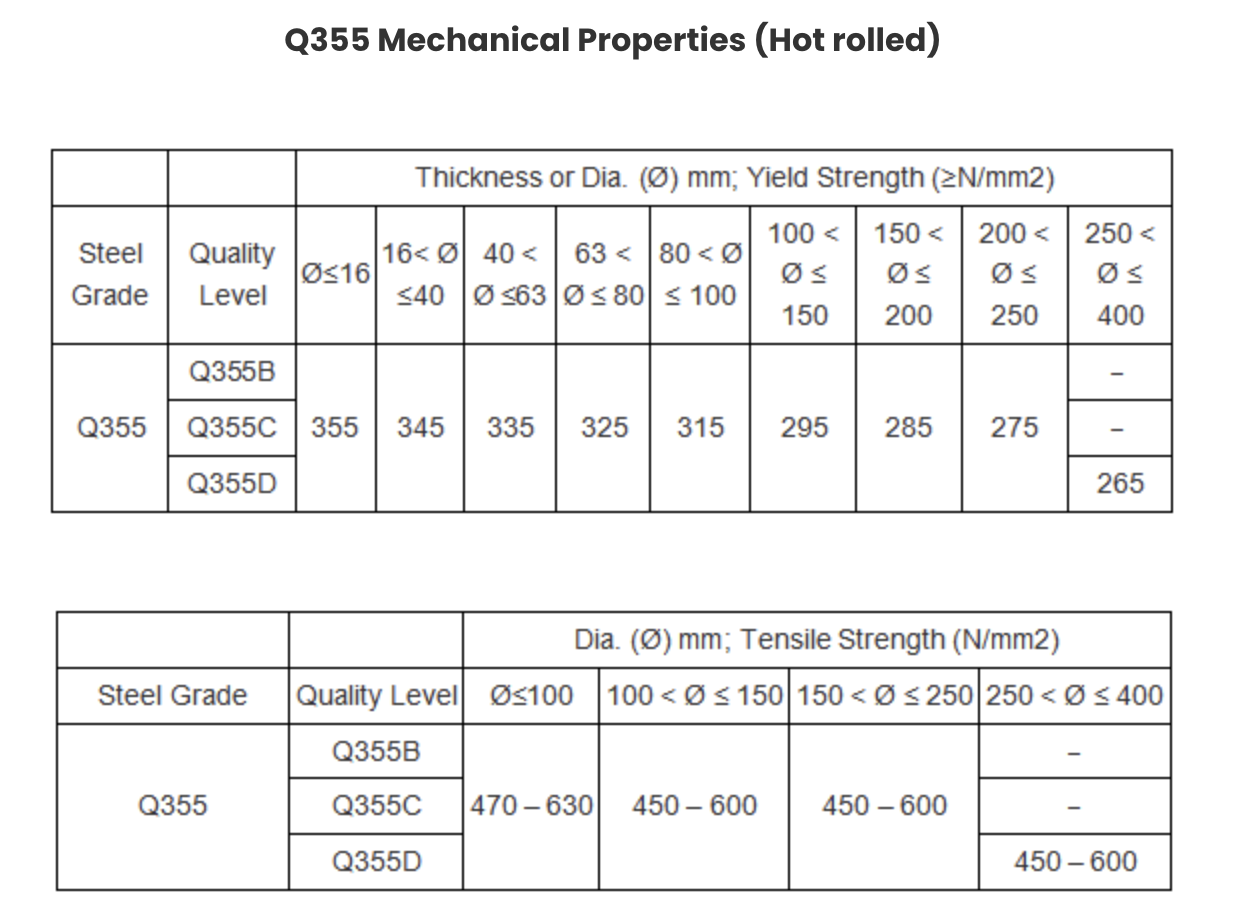
According to GB/T 1591-2018:
- Q355D should be tested at -20°C impact
But in reality:
👉 The certificate we provided showed +20°C testing (Q355B level)
Meaning:
❗ The supplied material was effectively Q355B, not Q355D.
3.2 Missing “+N” (Normalization)
The customer required:
👉 S355J2+N
Where:
- +N = Normalized or Normalized Rolling
This is not optional.
It ensures:
- Uniform microstructure
- Stable mechanical properties
- Reliable performance under stress
Our supplied material:
❌ Did not include normalization information
3.3 Incomplete Traceability Information
European standards often require:
- Furnace number
- Casting method (e.g., continuous casting)
- Heat traceability
Our documentation:
❌ Did not include sufficient traceability details
4. Key Technical Understanding (Very Important)
4.1 Steel Naming Logic – EN vs GB
EN Standard (Europe)
Example: S355J2+N
- S = Structural steel
- 355 = Yield strength ≥ 355 MPa
- J2 = Impact test at -20°C
- +N = Normalized
GB Standard (China)
Example: Q355D
- Q = Yield
- 355 = Yield strength
- D = Impact test at -20°C
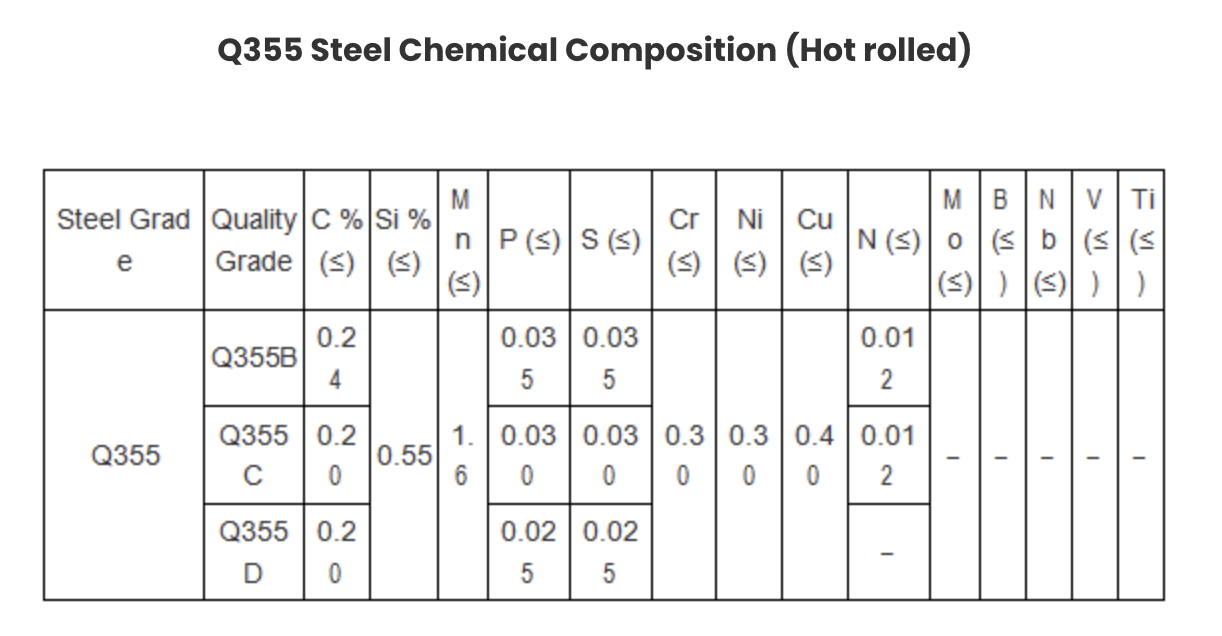
Comparison Table
EN Standard | GB Equivalent |
S355JR | Q355B |
S355J0 | Q355C |
S355J2 | Q355D |
👉 However:
❗ “Equivalent grade” does NOT guarantee equivalent delivery condition or testing compliance
4.2 What is S355J2G3?
This caused additional confusion.
👉 S355J2G3 is an old EN designation
It has been replaced by:
👉 S355J2+N
Meaning:
- Same strength
- Same impact requirement
- Explicit normalization requirement
5. The Real Lesson
This case taught us a critical lesson:
Material equivalence is not just about grade — it is about the full specification.
5.1 What Must Be Checked (Before Quotation!)
When dealing with EN materials:
✅ 1. Impact Test Temperature
- Is it really tested at -20°C?
- Is it documented?
✅ 2. Delivery Condition
- +N (Normalized)?
- +AR (As rolled)?
- +M (Thermomechanical)?
✅ 3. Certification Level
- EN 10204 3.1 certificate?
- Full traceability?
✅ 4. Chemical & Mechanical Compliance
- Not just typical values
- Must meet EN limits
✅ 5. Manufacturing Route
- Furnace
- Casting process
6. Our Corrective Actions
After understanding the issue, we proposed two solutions:
Option 1: Full EN Compliance
We sourced a supplier who can provide:
- S355J2+N
- S355J2H
- Full EN certification
Option 2: Re-submit Chinese Material (Carefully)
We found another supplier providing:
- Proper Q355B / Q355D certification
- Correct impact testing
- Improved documentation
👉 Waiting for customer confirmation if substitution is acceptable
7. Final Takeaway
This experience reinforced a key principle in international business:
“Looks equivalent” is not enough.
“Tested, certified, and traceable” is what matters.
8. A Personal Reflection
In sales, winning a project is already difficult.
Losing it due to material misunderstanding is even more frustrating.
But this experience also strengthened our internal process:
- Better technical validation before quotation
- Stronger communication with suppliers
- Deeper understanding of international standards
Lesson of the Day:
In global manufacturing, details are not small things.
They are the difference between winning and losing a project.