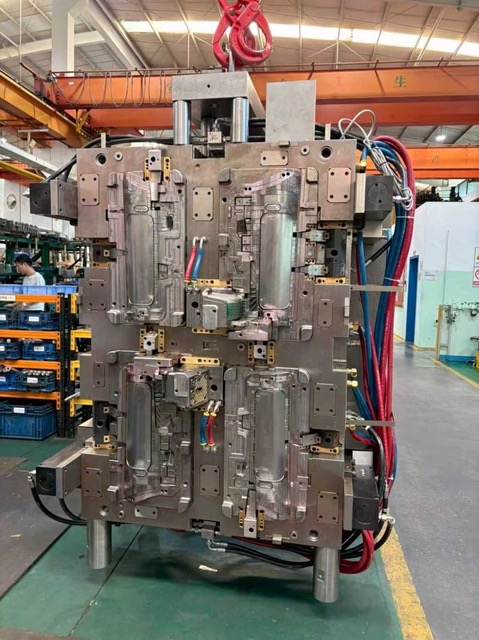
Mold Cost Control: A Systematic Engineering Approach

In the tooling and mold manufacturing industry, many people still associate high quality with high cost.
However, from an engineering perspective, truly professional mold manufacturing is not about blindly increasing precision or using the most expensive solution everywhere. It is about achieving the optimal balance between performance, manufacturability, stability, lead time, and cost.
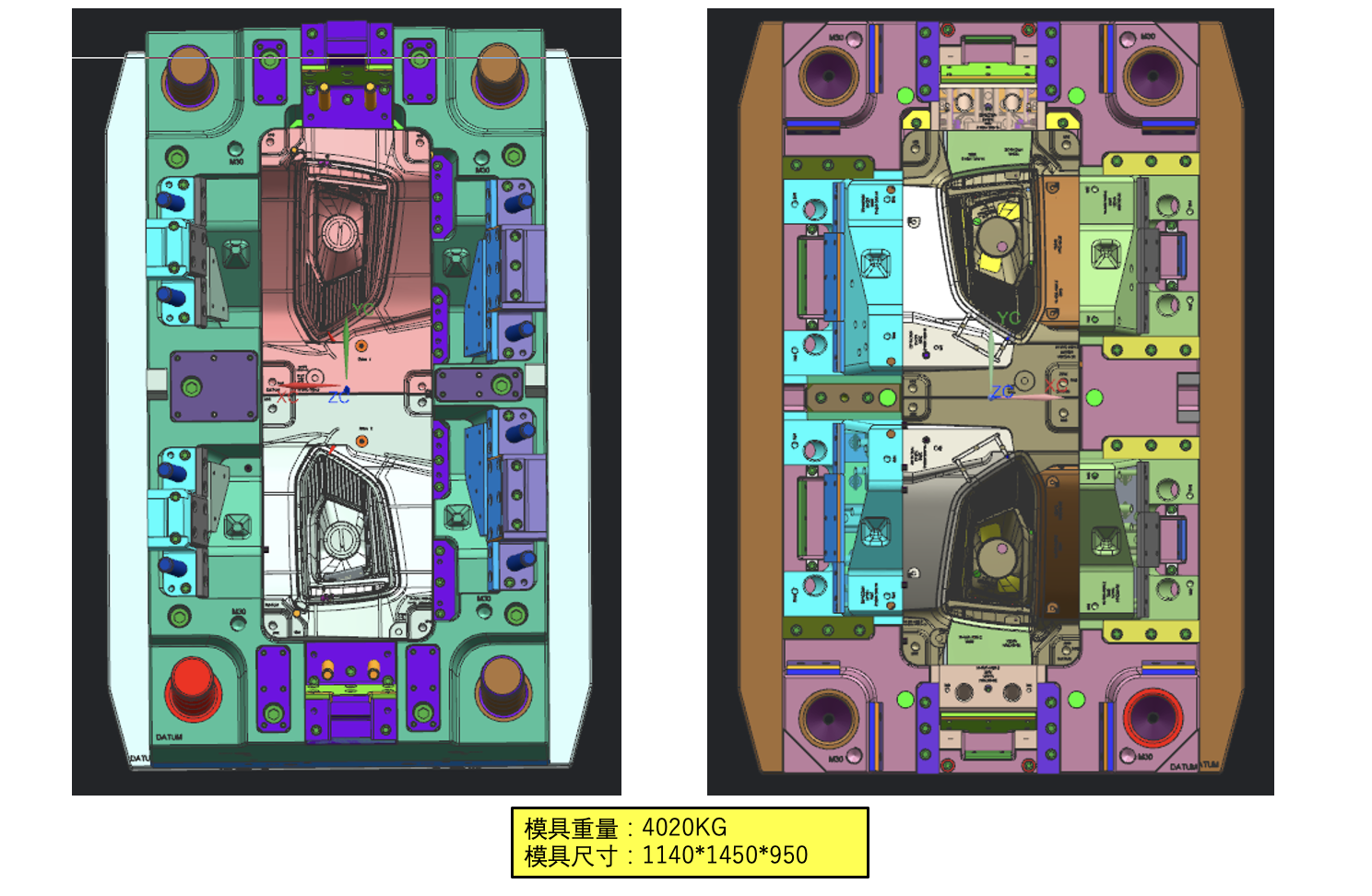
At OPRO, we believe that scientific mold cost control is a systematic engineering process that starts from the very beginning of product and mold design — not simply a purchasing negotiation at the end of the project.
By combining engineering experience, manufacturability analysis, standardized processes, and continuous optimization, we help customers reduce overall mold costs by 15–20% while maintaining high quality, stable production performance, and long mold lifetime.
1. Cost Control Starts at the Design Stage
One of the biggest misunderstandings in manufacturing is that cost reduction only happens during machining or supplier negotiation.
In reality, more than 70% of mold cost is often determined during the design phase.
A well-designed mold structure can:
- Reduce machining complexity
- Shorten assembly time
- Improve maintainability
- Minimize troubleshooting during mold trials
- Increase production stability
- Extend tooling lifetime
On the other hand, unnecessary structural complexity can significantly increase:
- CNC machining hours
- EDM processing time
- Electrode quantity
- Assembly difficulty
- Fitting and polishing workload
- Trial and correction cycles
This is why OPRO places strong emphasis on Design for Manufacturability (DFM) from the early project stage.
2. Modular Design Reduces Manufacturing Complexity
One of the most effective approaches to mold cost optimization is modular design.
Instead of creating completely customized structures for every project, we evaluate whether certain mold components can share standardized modules or interchangeable structures.
Examples include:
- Standardized mold bases
- Shared slider structures
- Replaceable insert systems
- Modular cooling layouts
- Standardized ejector assemblies
This approach offers several advantages:
- Reduced machining hours
- Faster assembly
- Easier maintenance
- Lower spare part costs
- Shorter lead times
- Better consistency across projects
For customers with product families or multiple similar SKUs, modular design can significantly reduce future tooling investment and simplify maintenance management.
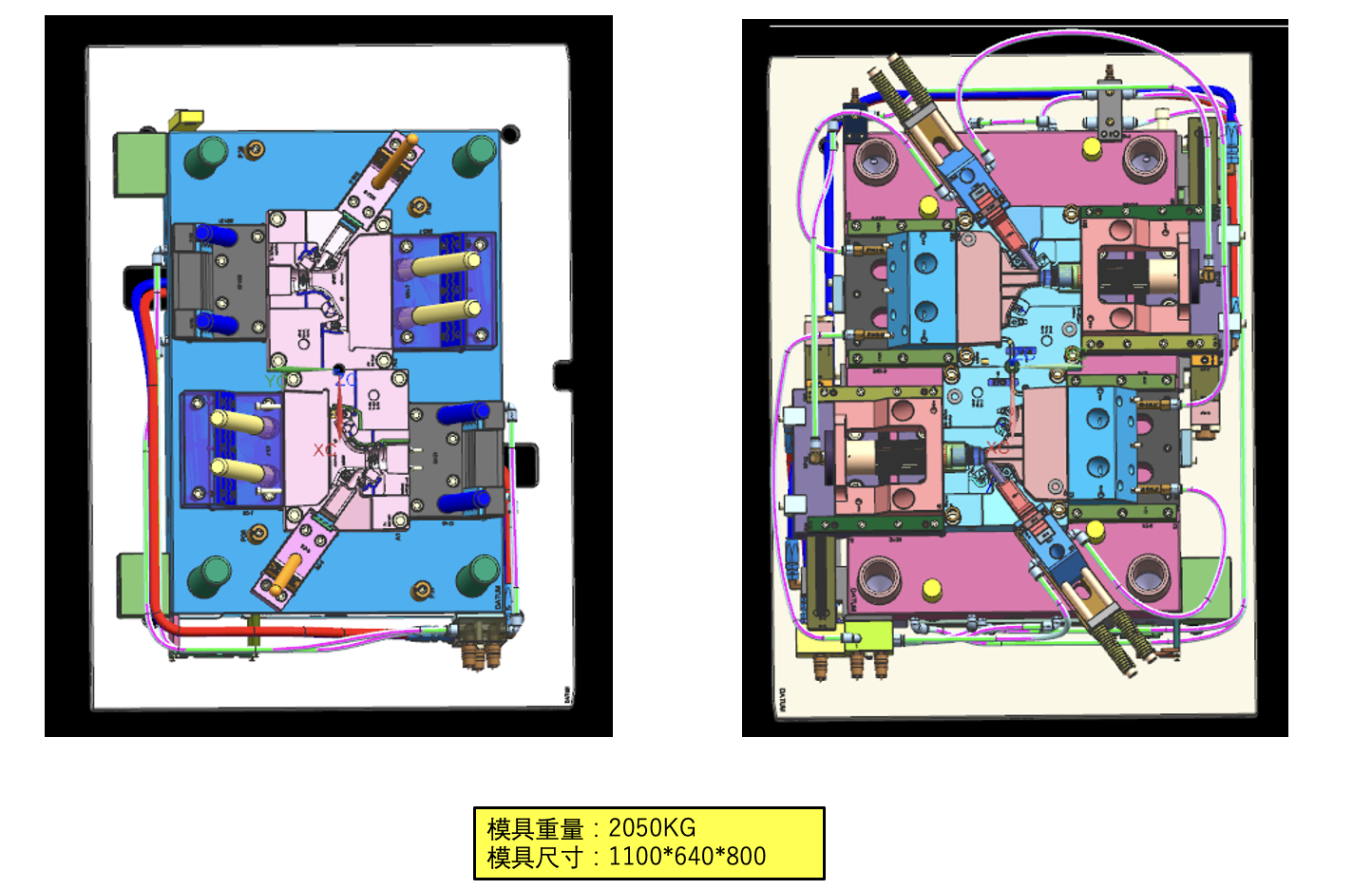
3. Smart Use of Standard Components
Another important aspect of cost control is the proper use of standard components.
At OPRO, we always evaluate whether a component truly needs to be custom-made or whether a reliable standard solution can achieve the same functional result.
Examples of commonly standardized components include:
- Ejector pins
- Date stamps
- Locating rings
- Guide components
- Springs
- Hot runner accessories
- Wear-resistant inserts
Using high-quality standard components provides multiple benefits:
- Lower manufacturing cost
- Faster procurement
- Easier replacement
- Better supply stability
- Reduced maintenance downtime
In many cases, standardization not only reduces cost, but also improves long-term reliability and serviceability.
4. Rational Tolerance Allocation: Engineering Beyond “Over-Precision”
One of the most overlooked cost drivers in mold manufacturing is unreasonable tolerance specification.
Many 2D drawings contain unnecessarily tight tolerances that may not actually affect product functionality, assembly, or cosmetic quality.
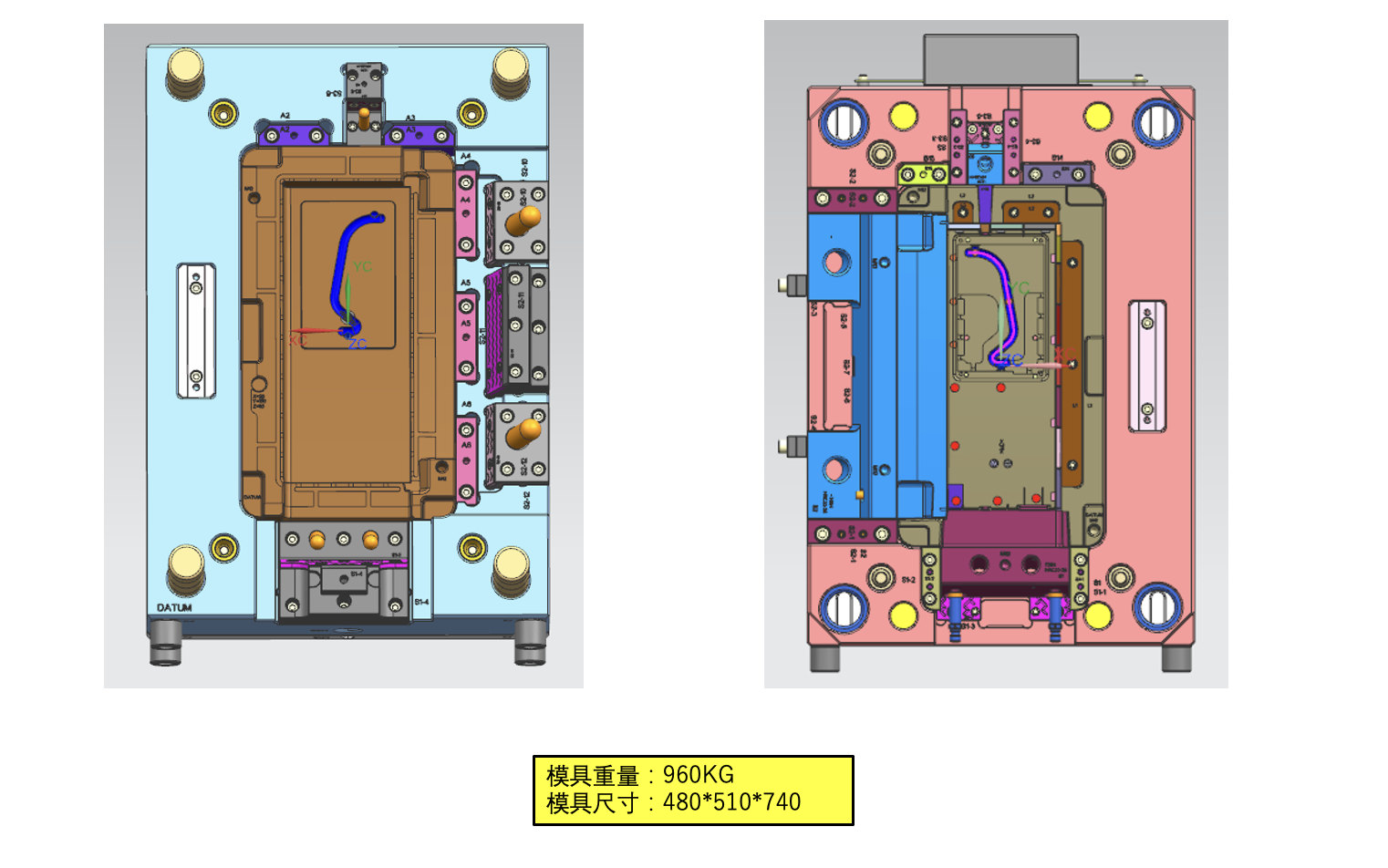
At OPRO, we carefully review customer drawings and assembly requirements during the engineering evaluation stage.
We separate dimensions into:
- Critical functional dimensions
- Assembly-related dimensions
- Cosmetic control dimensions
- Non-critical reference dimensions
For critical areas, we maintain strict tolerance control to ensure:
- Proper assembly fit
- Functional performance
- Product consistency
- Process stability
However, for non-critical features, we often recommend more reasonable machining tolerances instead of blindly applying ultra-tight precision everywhere.
For example:
If a non-functional surface is unnecessarily specified at ±0.01 mm tolerance:
- CNC machining time increases
- EDM work may become necessary
- More polishing and fitting are required
- Inspection workload increases
- Mold adjustment becomes more difficult
- Manufacturing cost rises significantly
In many cases, relaxing certain non-critical tolerances appropriately can reduce machining complexity substantially without affecting product quality at all.
This is where real engineering experience matters.
Professional mold manufacturers should not simply “follow drawings mechanically.”
They should help customers optimize manufacturability while protecting product functionality and quality.
5. Machining Process Optimization Improves Efficiency
Modern mold manufacturing is not only about machine capability — it is also about process engineering.
At OPRO, we continuously optimize:
- Tool selection
- Machining parameters
- Cutting strategies
- Toolpath planning
- Electrode management
- Multi-process integration
- Machine utilization efficiency
For complex mold components, proper machining strategy planning can significantly reduce:
- Idle machine time
- Repeated setups
- Air cutting
- Tool wear
- Manual correction work
For example, in complex electrode machining projects, optimized machining paths and sequencing can improve overall machining efficiency by more than 25%.
This directly contributes to:
- Lower manufacturing cost
- Shorter lead time
- Better consistency
- Improved delivery reliability
6. Full Cost Tracking and Continuous Improvement
Effective cost control is not a one-time activity.
It requires a continuous improvement system.
At OPRO, we establish project-level cost tracking systems to analyze:
- Material cost
- CNC machining hours
- EDM consumption
- Assembly time
- Mold trial frequency
- Outsourcing expenses
- Rework causes
- Quality-related costs
After each project, we conduct internal reviews to identify:
- Which operations exceeded budget
- Which structures increased machining difficulty
- Which design choices created unnecessary complexity
- Which areas can be optimized in future projects
Over time, this accumulated engineering knowledge becomes part of our manufacturing system and continuously improves both efficiency and competitiveness.
7. Cost Reduction Without Sacrificing Quality
True cost control should never mean compromising quality.
The goal is not simply to make the cheapest mold possible.
The goal is to create the most cost-effective mold solution for the customer’s real production needs.
A low-cost mold that suffers from:
- Frequent maintenance
- Flash issues
- Dimensional instability
- Short tooling life
- Long cycle times
- Poor production consistency
…will ultimately generate much higher total ownership cost for the customer.
That is why OPRO focuses on:
- Stable mold performance
- Manufacturable engineering
- Rational precision control
- Process optimization
- Long-term production reliability
This systematic approach allows customers to reduce comprehensive mold cost by 15–20% while still achieving high production quality and long-term operational stability.
Engineering Value Creates Competitive Advantage
In today’s manufacturing industry, competitiveness no longer comes from low pricing alone.
Real competitiveness comes from:
- Engineering capability
- Manufacturing experience
- Systematic process control
- Cost optimization expertise
- Long-term reliability
At OPRO, we believe mold manufacturing is not simply about making steel tools.
It is about delivering engineering solutions that help customers achieve better manufacturing performance, lower total cost, and stronger market competitiveness.
That is the true meaning of scientific mold cost control.