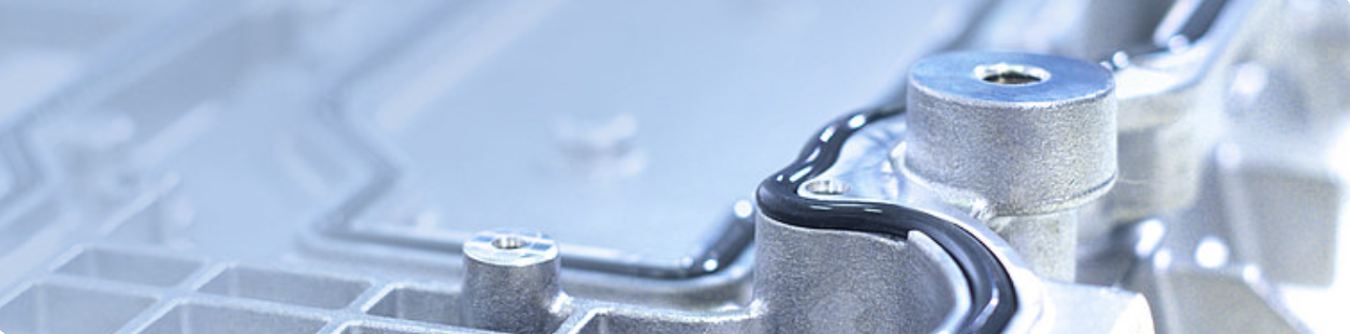
Case Study: LSR Overmolding vs FIPG Post-Processing on PC GF15

A Design & Manufacturing Perspective for Sealing, Waterproofing, and Dust Protection Applications
1. Introduction
In modern industrial product design, sealing performance is often a critical requirement for components exposed to dust, moisture, pressure, or chemical environments.
Typical applications such as plugs, connectors, valve housings, and protective caps require reliable sealing between rigid structural materials and flexible elastomer interfaces.
A common engineering solution is Liquid Silicone Rubber (LSR) overmolding on rigid thermoplastics such as PC GF15 (Polycarbonate with 15% glass fiber reinforcement).
However, with increasing pressure on tooling cost, lead time, and design flexibility, alternative approaches such as FIPG (Formed-In-Place Gasket) post-processing are also being considered.
This article provides a structured comparison between:
- LSR overmolding on PC GF15
- FIPG post-processing applied to PC GF15
from a manufacturing, cost, and functional performance perspective.
2. Application Background: Why Sealing Matters
Sealing systems in industrial components typically need to meet one or more of the following requirements:
- Waterproofing (static or dynamic exposure)
- Dust protection (IP-rated sealing)
- Pressure resistance (internal or external)
- Chemical resistance
- Long-term compression stability
- Thermal cycling durability
In applications such as sealing plugs or protective caps, failure in sealing does not only mean leakage — it may lead to system contamination, corrosion, or functional failure of the entire assembly.
Therefore, the selection of sealing technology is not only a material decision, but a system-level engineering decision.
3. Solution 1: LSR Overmolding on PC GF15
3.1 Process Overview
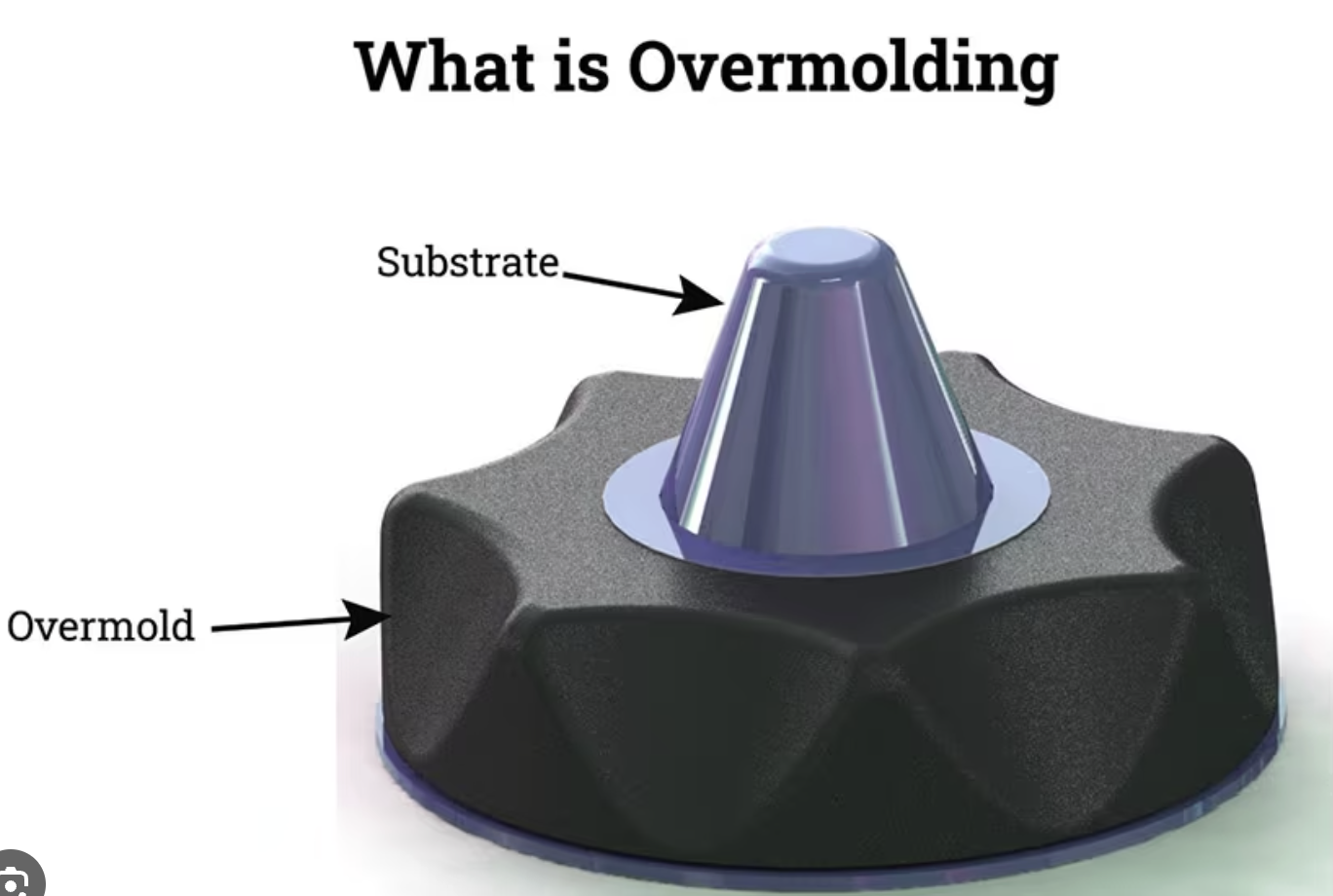
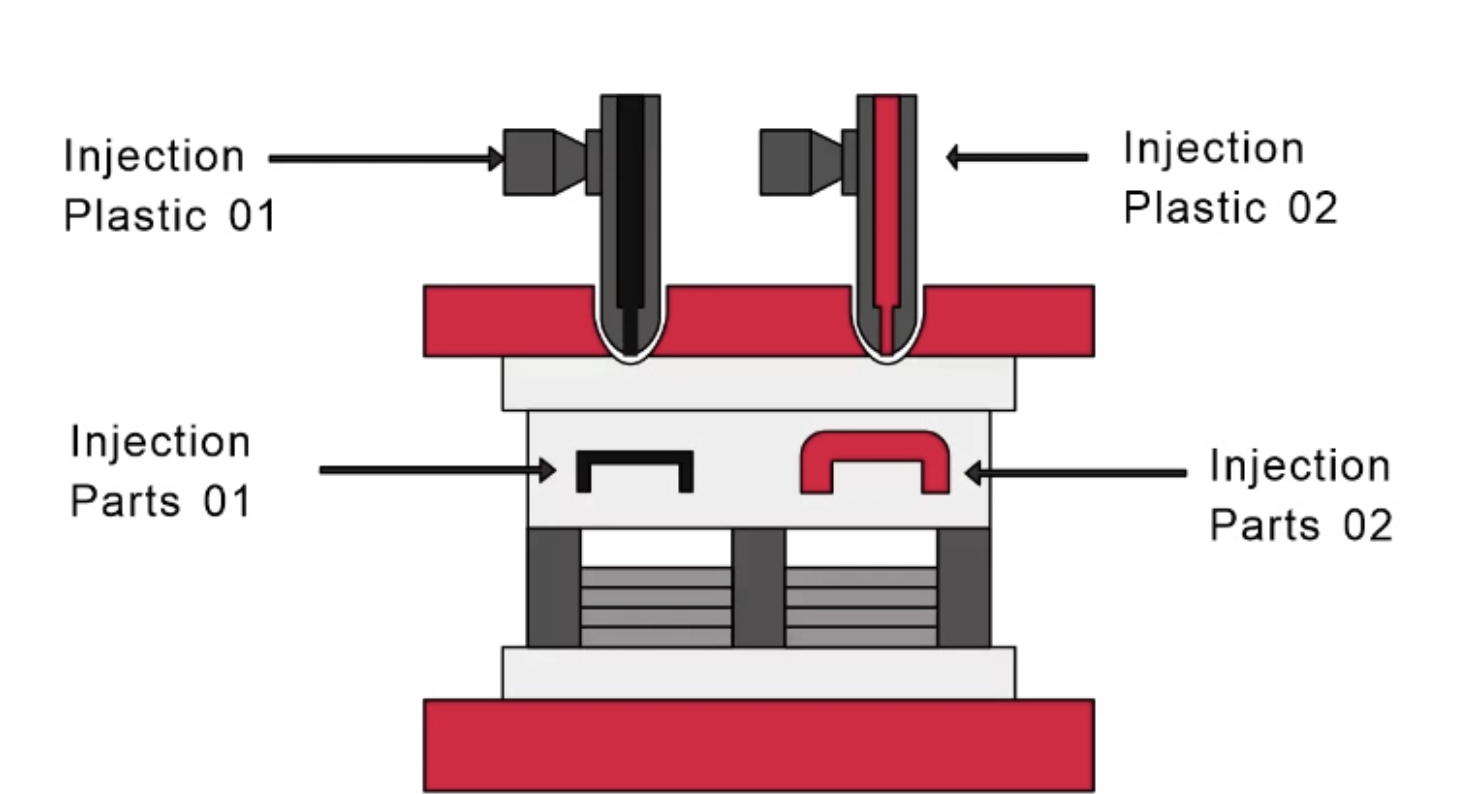
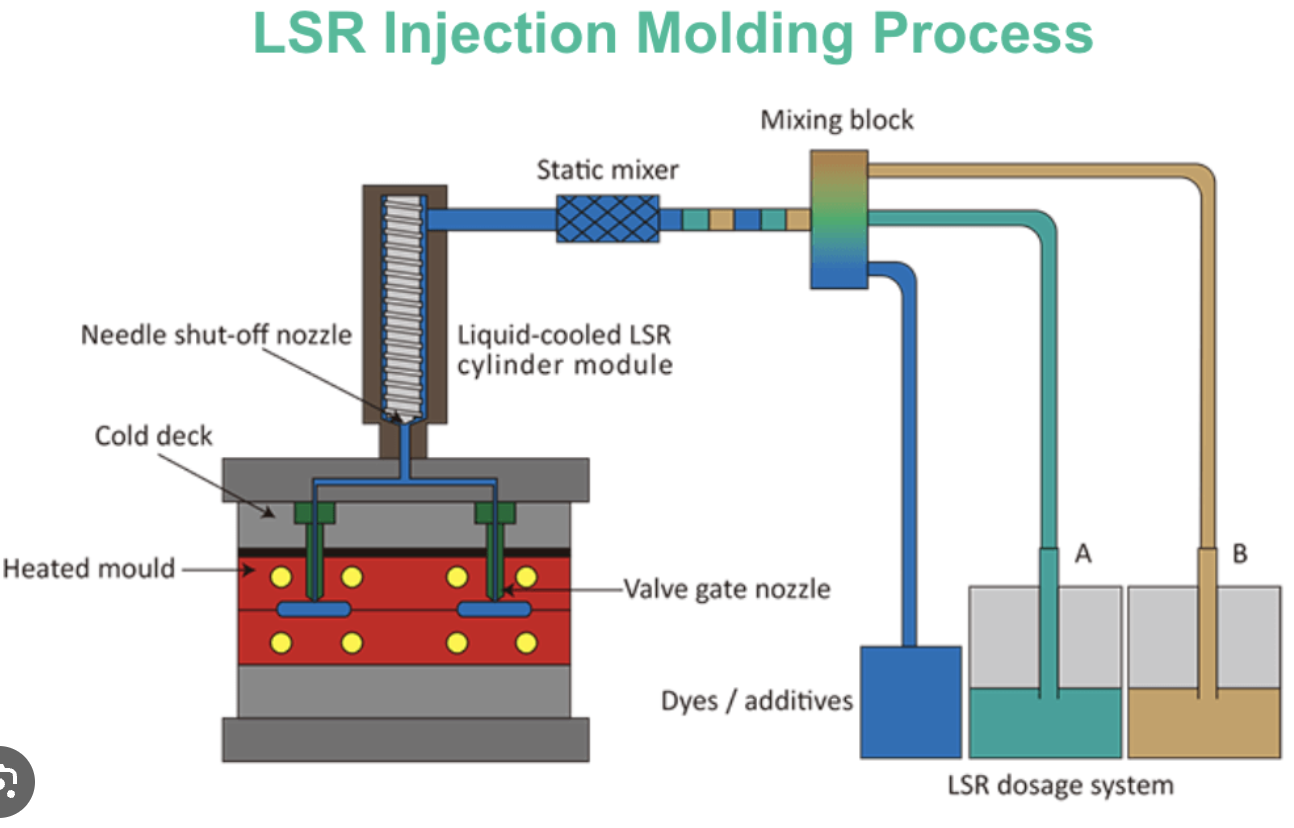
LSR overmolding involves a two-step injection process:
- Injection molding of the rigid substrate (PC GF15)
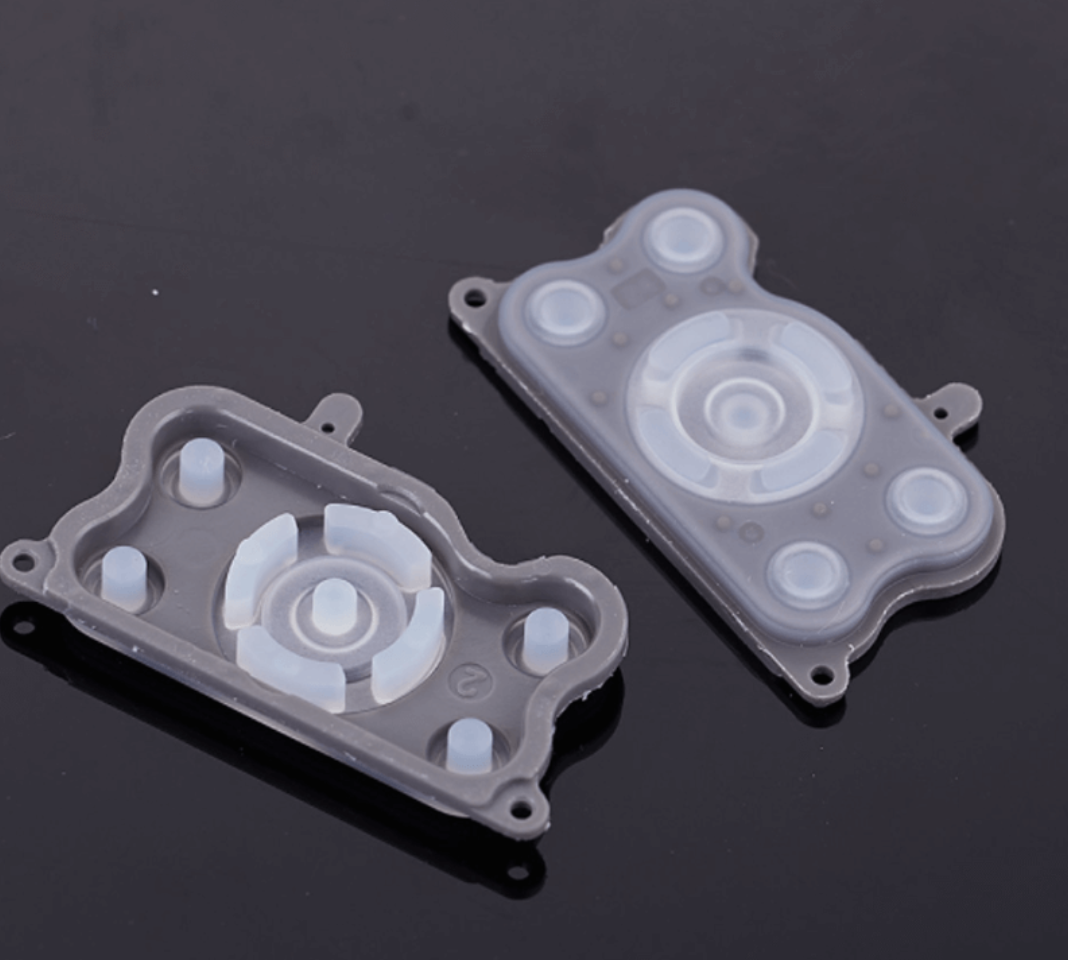
- Overmolding of LSR (typically Shore A 30–70) onto or around the substrate
This creates a chemically or mechanically bonded elastomer interface.
3.2 Key Advantages
✔ Excellent sealing performance
LSR provides stable elasticity and excellent compression set resistance, making it ideal for long-term sealing applications.
✔ High durability
- Strong resistance to heat, UV, and chemicals
- Long service life under cyclic compression
✔ Precise integration
- Molded directly onto substrate
- No assembly variation
- High repeatability in mass production
3.3 Limitations
❌ High tooling investment
- Requires two molds (rigid + elastomer system)
- Complex mold design and gating system
❌ Longer development cycle
- Tooling design and validation time is significant
❌ Less flexible for design changes
- Any geometry modification affects both mold systems
4. Solution 2: FIPG Post-Processing on PC GF15
4.1 Process Overview
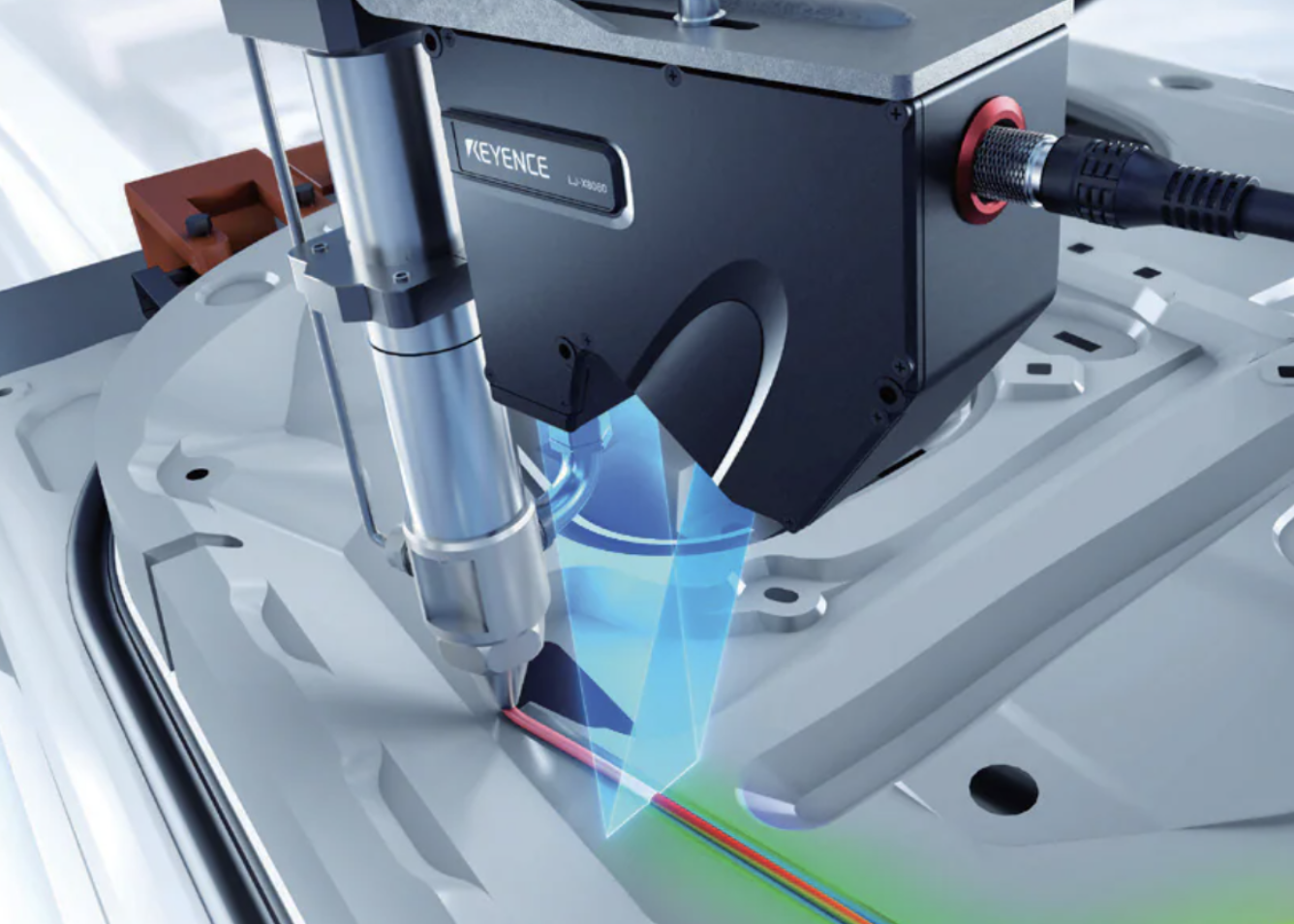
FIPG (Formed-In-Place Gasket) involves applying a liquid sealing material onto a rigid part surface, which then cures into a soft elastomer layer.
Typical process steps:
- Injection molding of PC GF15 component
- Surface preparation (cleaning / activation if required)
- Dispensing of sealing material (manual or automated)
- Curing (thermal or moisture-based)
4.2 Key Advantages
✔ Lower tooling cost
No need for a dedicated overmolding mold system.
✔ High design flexibility
- Seal geometry can be modified without mold changes
- Suitable for iterative development or early-stage design
✔ Faster initial prototyping
- Ideal for low-volume or validation builds
4.3 Limitations
❌ Lower dimensional precision
Compared to molded LSR, FIPG accuracy depends on dispensing control.
❌ Variable long-term performance
- Compression set behavior may be less stable
- Aging and adhesion depend heavily on surface condition
❌ Limited pressure resistance
Not always suitable for high-pressure or safety-critical sealing.
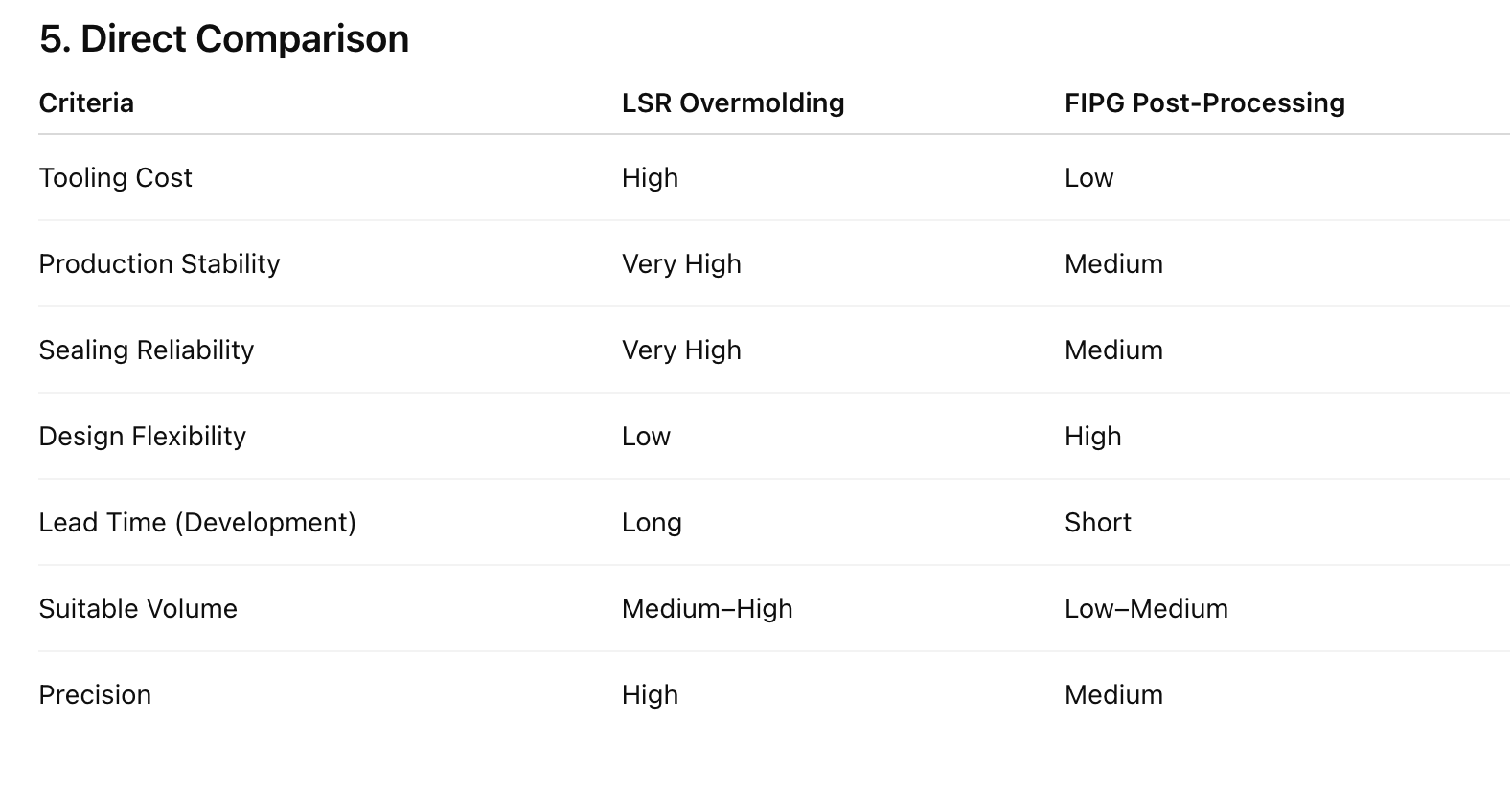
6. Engineering Trade-Off: Cost vs Performance
The key engineering decision is not purely technical — it is economic and application-driven.
LSR overmolding offers a high-performance sealing system, but requires significant upfront investment.
FIPG offers a cost-efficient and flexible alternative, but with performance trade-offs depending on application severity.
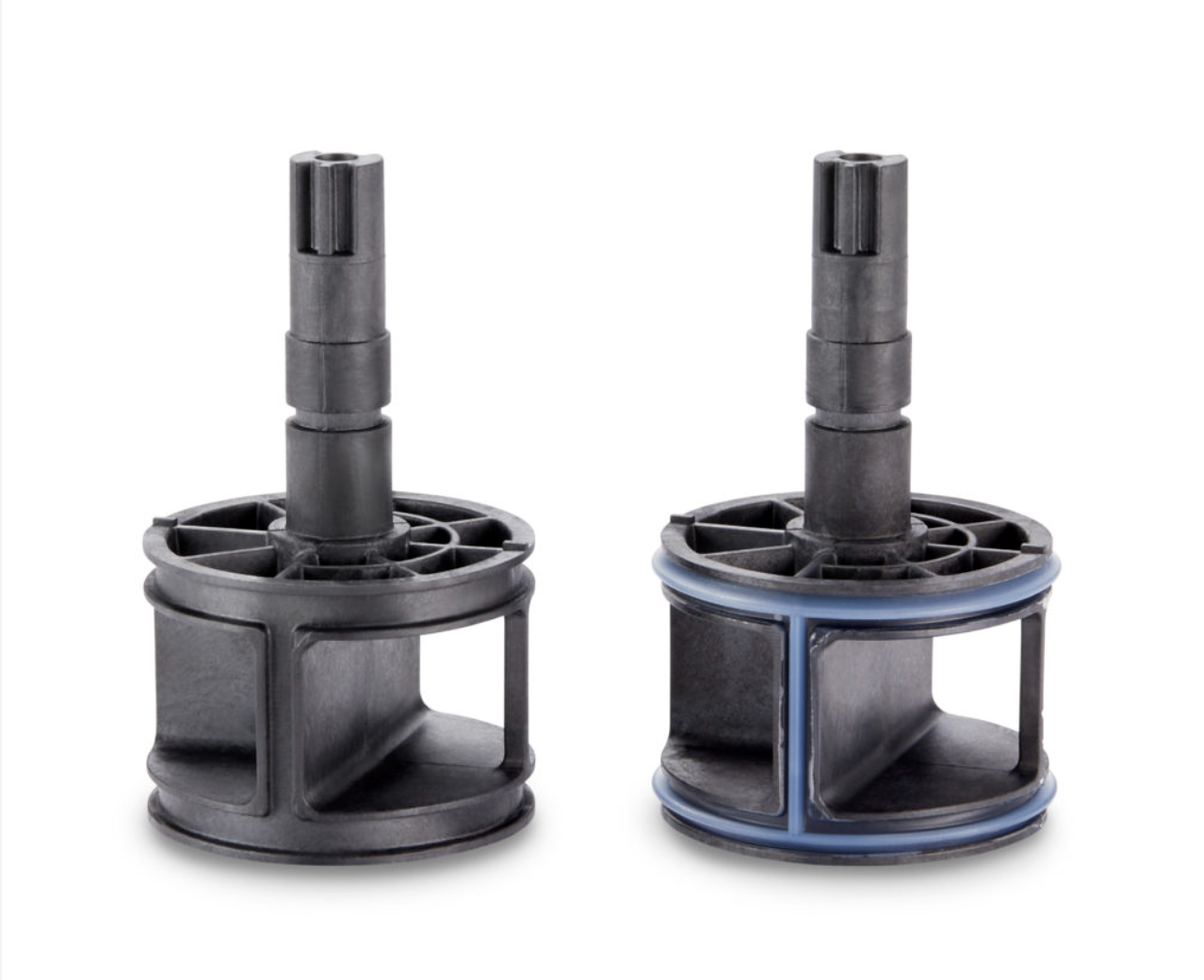
7. Case Reflection: PC GF15 + Elastomer Sealing Plug
For a typical sealing plug design (PC GF15 + elastomer ring), the decision framework can be summarized as:
Choose LSR Overmolding when:
- High pressure or fluid sealing is required
- Long-term durability is critical
- High-volume production justifies tooling cost
Consider FIPG when:
- Medium/low pressure sealing is sufficient
- Cost reduction is a priority
- Design is still in validation or early production phase
- Assembly flexibility is required
8. Broader Engineering Insight
In modern manufacturing strategy, sealing solutions are increasingly moving from “single-material optimization” toward system-level manufacturing optimization, where:
- Material selection
- Manufacturing process
- Assembly strategy
- Lifecycle cost
must all be evaluated together.
For companies working in industrial distribution and engineering solutions, this trade-off is particularly relevant when supporting diverse customer applications across industries.
9. Conclusion
LSR overmolding and FIPG post-processing are not competing technologies, but rather two different engineering strategies addressing the same functional requirement: reliable sealing in demanding environments.
- LSR overmolding represents a performance-driven, integrated solution designed for long-term durability, high sealing integrity, and stable mass production.
- FIPG post-processing offers a cost-efficient and highly flexible approach, particularly suitable for early-stage development, lower-volume production, or applications with moderate sealing requirements.
From an engineering perspective, the optimal solution is rarely defined by material choice alone, but by a balanced consideration of:
- Sealing performance requirements
- Tooling investment and lifecycle cost
- Production volume
- Design flexibility and iteration needs
In real-world applications, the most effective solutions often come from evaluating multiple manufacturing routes early in the design phase, rather than committing to a single process too late in development.
We will continue sharing practical insights and real-world case studies on manufacturing processes, tooling strategies, and material selection to support better engineering decision-making.
If you are interested in topics such as injection molding, overmolding, rapid tooling, or functional prototyping, feel free to follow our updates and join the discussion on modern manufacturing approaches.