From Prototype to Mass Production: A Complete Manufacturing Solution for Precision Components

In today’s fast-evolving industries—whether in automotive, electronics, medical devices, or industrial equipment—precision components are no longer just parts. They are critical elements that directly impact product performance, reliability, and lifecycle.
For many engineers and sourcing professionals, one common challenge remains:
👉 How to find a reliable partner who can handle complex parts, tight tolerances, and multiple manufacturing processes under one roof?
This is where an integrated manufacturing approach becomes essential.
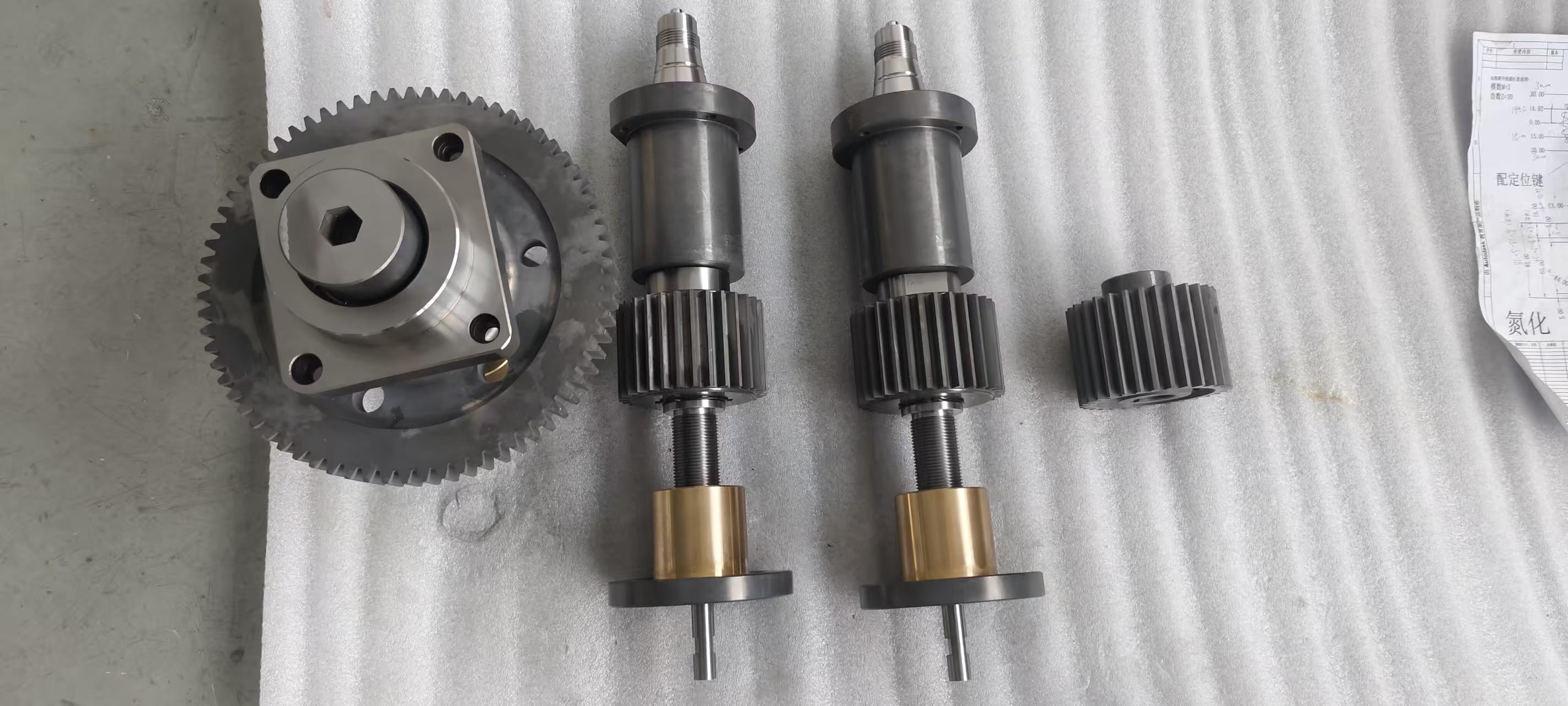
Understanding Precision Components: More Than Just CNC Machining
When people think of precision parts, they often think of CNC machining. While CNC is indeed the foundation, in reality, a complete precision solution involves multiple complementary processes, including:
- CNC machining (3-axis, 4-axis, 5-axis)
- EDM & Wire EDM
- Precision grinding (including PG grinding)
- Honing and surface finishing
- Sheet metal fabrication
- Stamping
- Welding and bending
- Assembly and inspection
Each process plays a critical role depending on the geometry, material, tolerance, and function of the part.
Choosing the Right Manufacturing Process
1. CNC Machining – The Core of Precision Manufacturing
CNC machining is ideal for:
- Complex geometries
- Tight tolerances (typically ±0.01 mm or better)
- Prototyping and small-to-medium production
With 5-axis CNC, we can:
- Machine multiple faces in one setup
- Reduce errors caused by repositioning
- Improve both efficiency and accuracy
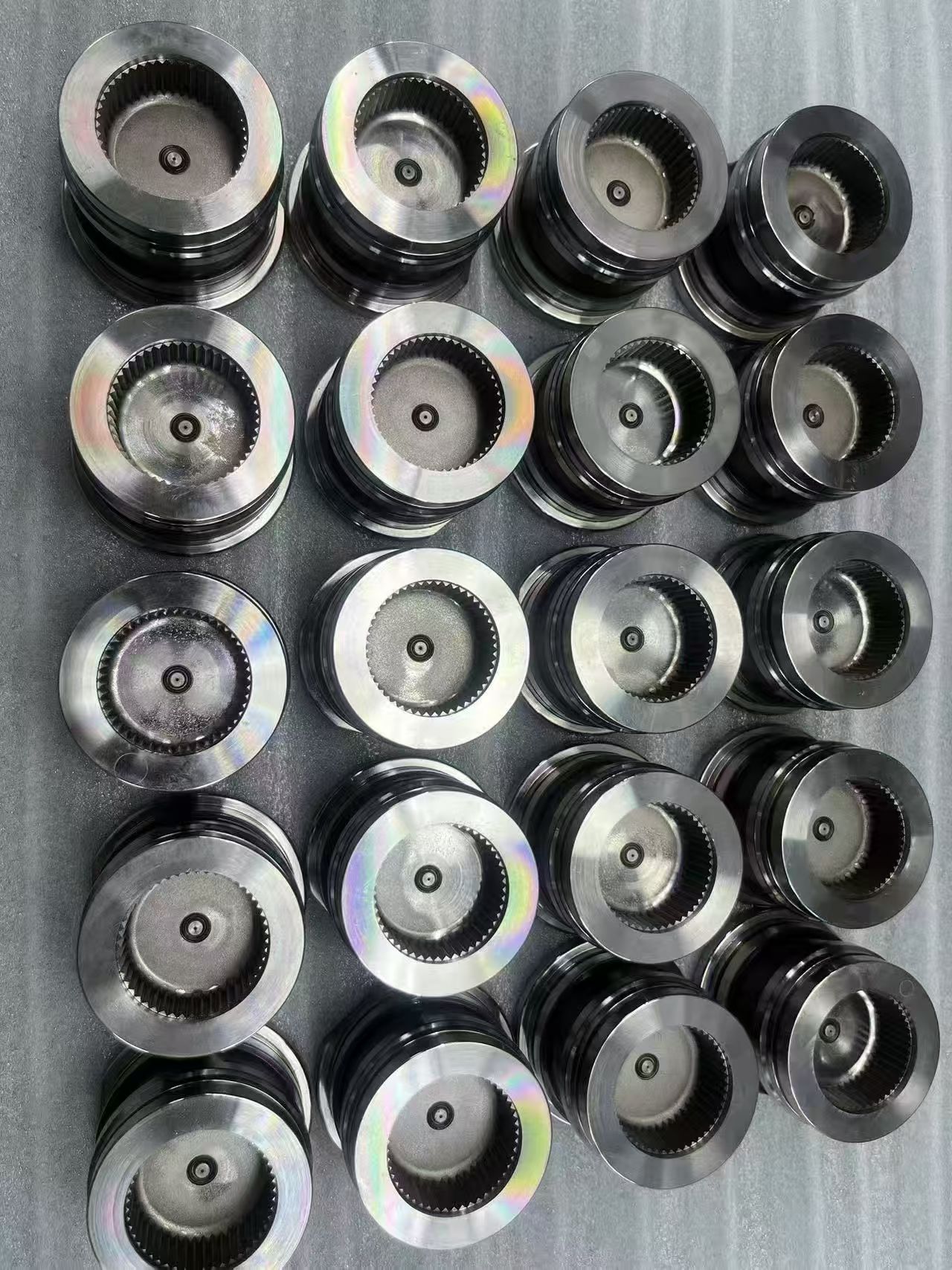
2. EDM & Wire EDM – For Complex and Hardened Parts
When conventional machining reaches its limits, EDM becomes essential.
- Sinker EDM
- Deep cavities
- Sharp internal corners
- Mold tooling
- Wire EDM
- Ultra-precise profiles
- Tight tolerances (down to ±0.002–0.005 mm)
- Thin or delicate components
👉 Especially critical for tooling, inserts, and hardened steel components.
3. Grinding & Ultra-Precision Finishing
For applications requiring extreme accuracy and surface quality:
- Surface / Cylindrical Grinding
- High dimensional accuracy
- Excellent flatness and roundness
- Centerless Grinding
- High-volume cylindrical parts
- Stable and efficient production
- PG Grinding (Profile Grinding)
- Ultra-high precision profiles
- Often used for inserts, punches, and micro-features
- Honing
- Internal bores
- Superior surface finish and roundness
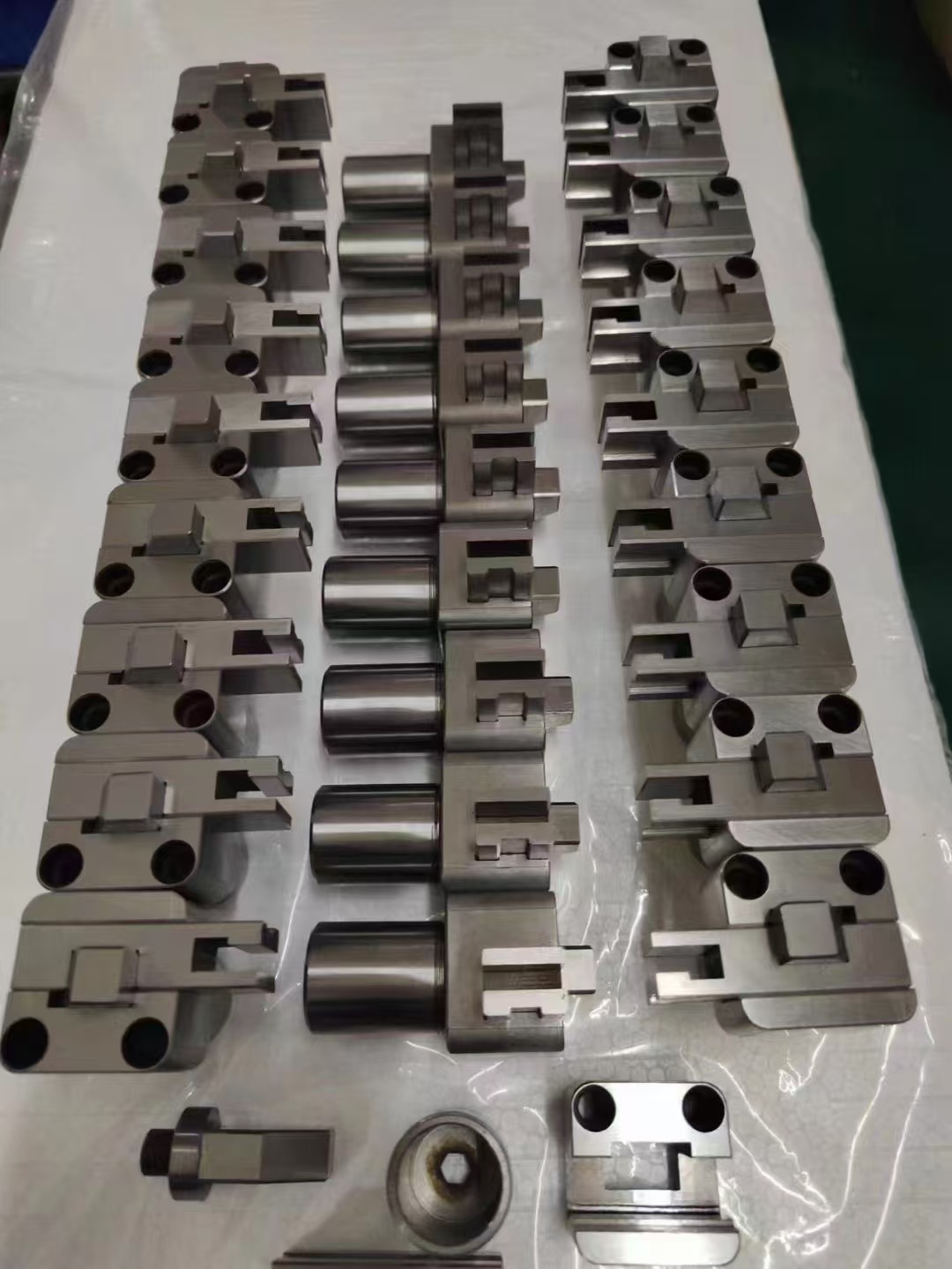
4. Sheet Metal, Stamping & Bending – For Structural Components
Not all parts should be machined from solid material.
For thinner structures or cost-sensitive designs:
- Sheet metal fabrication
- Enclosures, brackets, covers
- Stamping
- High-volume production
- Excellent consistency and low unit cost
- Bending
- Functional shaping without material removal
👉 Combining machining + sheet metal can significantly optimize cost and design.
5. Welding & Assembly – From Parts to Functional Units
Many customers today are not just looking for parts—they need sub-assemblies or complete functional modules.
Capabilities include:
- Precision welding (TIG, laser, etc.)
- Mechanical assembly
- Integration of multiple components
Quality Assurance: Ensuring Every Micron Matters
Precision manufacturing is only as good as its inspection capability.
To ensure consistency and reliability, we implement:
- CMM (Coordinate Measuring Machine)
- Full 3D inspection for complex geometries
- 2.5D Vision Systems
- Fast and efficient dimensional checks
- Micrometers & Gauges
- High-accuracy manual verification
- Ideal for production control
- Custom Gauging Systems
- Go/No-Go gauges for mass production efficiency
👉 This ensures every part meets specifications before it reaches the customer.
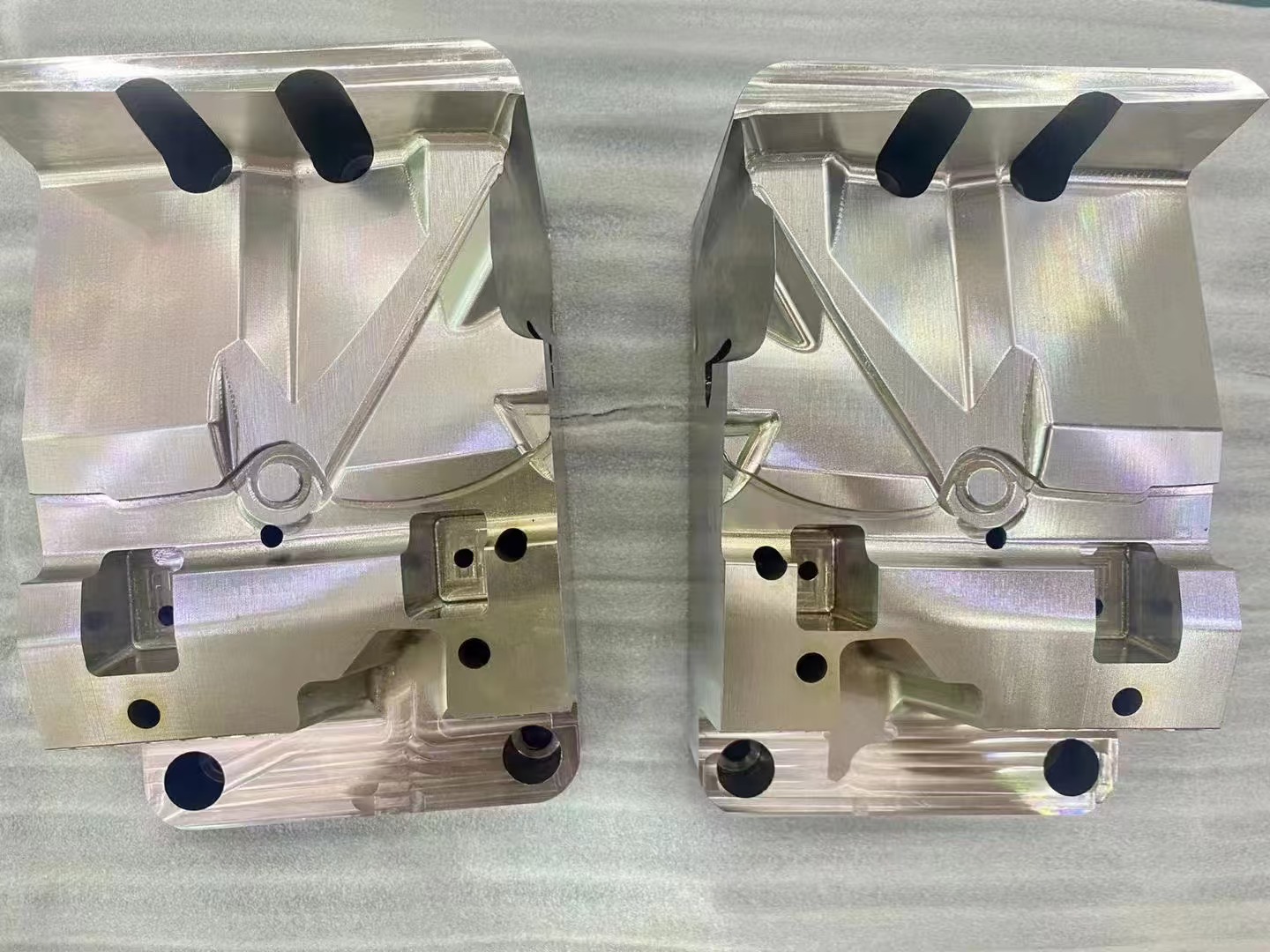
From Prototype to Mass Production
One of the biggest challenges customers face is:
👉 Can the same supplier handle both prototyping and mass production?
We provide a seamless transition:
Prototype Stage
- Fast CNC machining
- Flexible quantities
- Design feedback and optimization
Pilot Production
- Process validation
- Fixture development
- Initial quality control setup
Mass Production
- Process optimization
- Use of gauges and automation
- Cost reduction strategies
Why Integration Matters
Working with multiple suppliers often leads to:
- Communication gaps
- Quality inconsistencies
- Longer lead times
An integrated solution offers:
- Single point of contact
- Better process control
- Faster turnaround
- Higher overall reliability
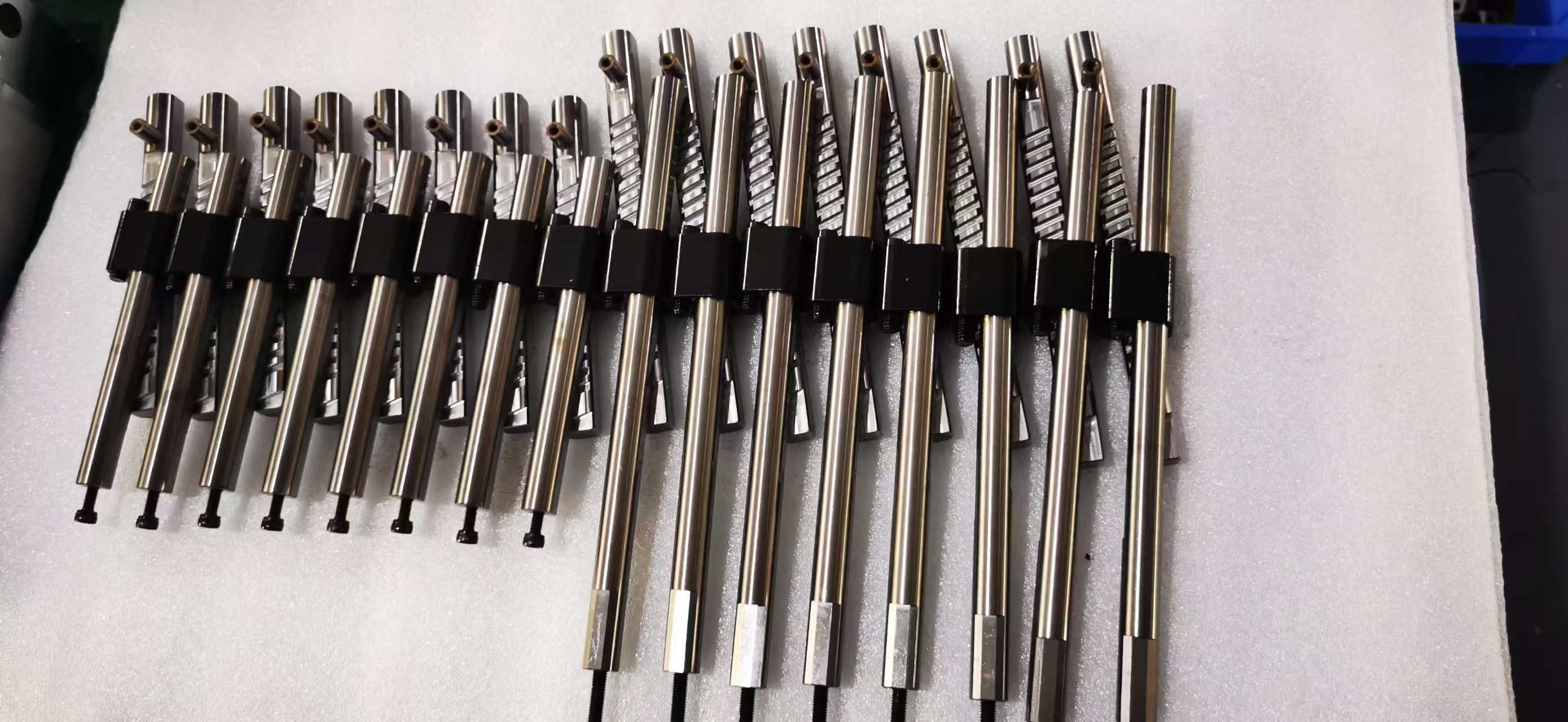
Industries We Support
Our capabilities are widely applied in:
- Automotive & e-mobility
- Electronics & electrical components
- Medical devices
- Industrial automation
- Consumer products
Engineering Confidence Through Manufacturing Excellence
Precision components require more than just machines—they require:
- Process knowledge
- Engineering understanding
- Quality discipline
- Manufacturing flexibility
Real Case Study: Ultra-Precision Long Tube Machining (±0.002 mm)
Customer Requirement
A customer in the precision engineering industry required a long tubular component with the following requirements:
- Length: over 200 mm
- Internal diameter tolerance: ±0.002 mm
- High straightness requirement over full length
- Stable repeatability in batch production
- Material: high-strength alloy steel
At first glance, the part looks simple. However, in reality, it is extremely difficult due to:
- Deformation during machining
- Heat generation affecting dimensional stability
- Difficulty in maintaining straightness over long length
- Tool deflection and vibration issues
Engineering Challenge
The key technical difficulties were:
- Maintaining micron-level internal diameter tolerance (±0.002 mm)
- Controlling straightness over long machining distance
- Preventing deformation during material removal
- Ensuring consistency across batch production
Standard CNC machining alone was not sufficient.
Our Manufacturing Solution
We developed a multi-process engineering approach:
Step 1: Pre-Machining CNC Roughing
- Controlled material removal strategy
- Stress relief consideration during machining stages
Step 2: Precision Grinding Process
- Centerless grinding for external stability
- Custom fixturing to minimize vibration
Step 3: Honing for Internal Diameter Control
- Final internal surface finishing
- Controlled material removal at micron level
- Achieved final roundness and diameter accuracy
Step 4: Thermal Stability Control
- Machining process segmentation to reduce heat accumulation
- Cooling strategy optimization
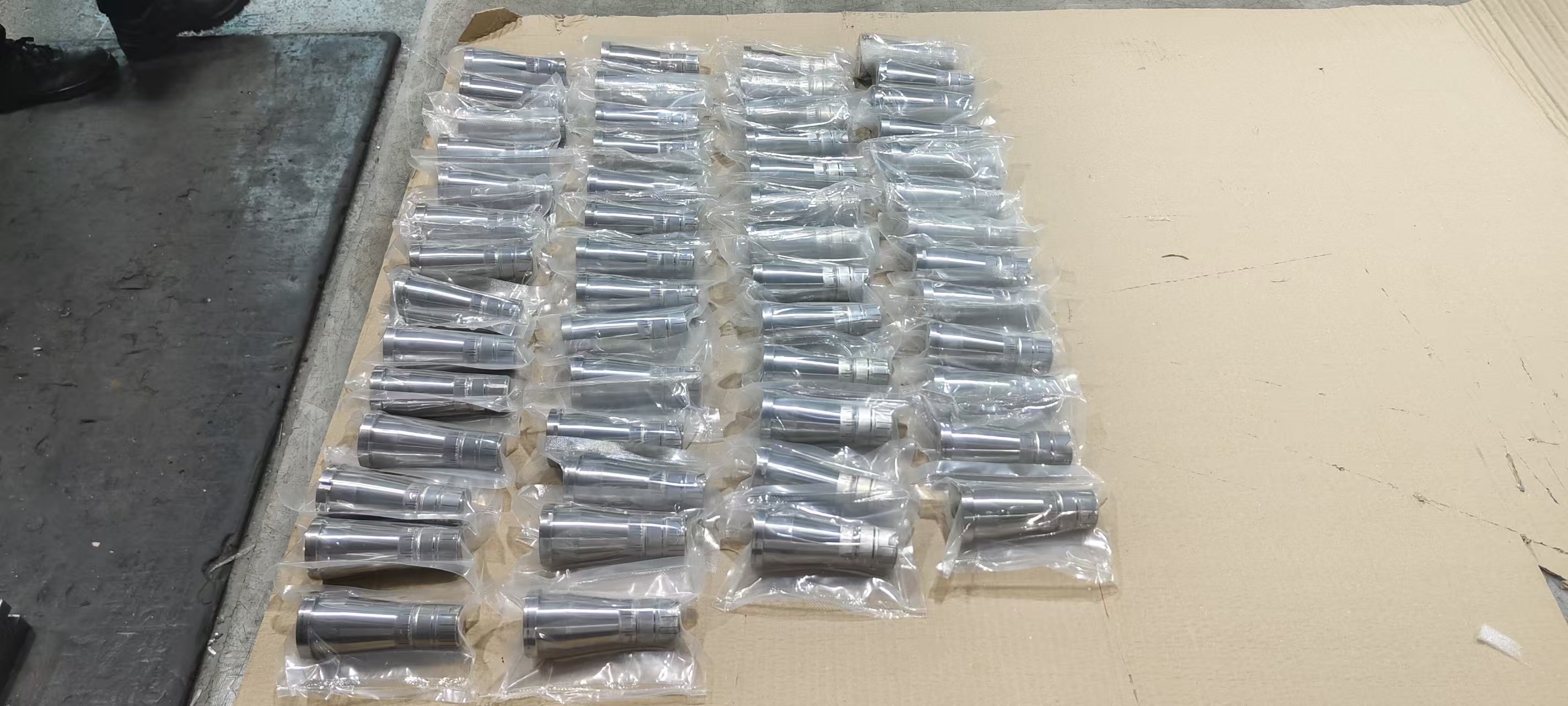
Inspection Strategy
To ensure repeatability, we implemented:
- CMM full dimensional inspection
- Dedicated plug gauges for internal diameter verification
- Sampling strategy for batch stability monitoring
Result
After process optimization, we successfully achieved:
- Internal diameter tolerance: ±0.002 mm consistently
- High batch stability across production runs
- Improved straightness control over long parts
- Stable repeatability for mass production delivery
Key Learning
This case demonstrates an important principle:
👉 Ultra-precision is not achieved by a single machine—it is achieved by process engineering.
It is the combination of:
- CNC machining
- Grinding
- Honing
- Measurement discipline
- Process control
that makes micron-level precision possible.
Why This Matters for Customers
For engineering buyers, this means:
- Lower risk in complex part development
- Fewer supplier transitions from prototype to production
- More stable long-term supply chain
- Engineering support beyond machining
Precision manufacturing is no longer just about equipment capability—it is about engineering integration across processes.
By combining CNC machining, EDM, grinding, honing, sheet metal fabrication, and assembly under one system, we are able to support customers from:
👉 concept → prototype → validation → mass production
Even for extreme cases like ±0.002 mm tolerance long tubular components, we are able to deliver stable and repeatable production solutions.
Let’s Build Precision Together
If you are working on:
- High-tolerance mechanical components
- Complex multi-process parts
- Prototype-to-production transition projects
We would be glad to support your engineering team.