How Our Engineering Team Masters the Most Demanding Challenges in Automotive Exterior Plastic Tooling

In the high-stakes world of automotive exterior design, few components present as formidable a tooling challenge as the side mirror of a luxury sports car. It is not merely a functional part but the confluence of aerodynamics, avant-garde aesthetics, and integrated electronics. At Opro tech engineering, we thrive on these challenges. Recently, we successfully engineered and delivered a complete set of mirror molds for a prestigious automotive brand, a project that encapsulates the pinnacle of mold-making complexity. This article delves into the core challenges and our engineered solutions, offering genuine insight into what makes such projects extraordinary.

The Summit of Complexity: Project Overview
Our mission was to create molds for a high-end vehicle's side mirrors with the following non-negotiable specifications:
- Dual-Material (2-Shot) Molding: A hard plastic substrate (first shot) overmolded with a soft-touch material (second shot).
- 1st Shot: PP-GF30 – A glass-fiber reinforced polypropylene for structural rigidity.
- 2nd Shot: TPE – A thermoplastic elastomer for sealing, haptics, and impact resistance.
- Super-High Gloss, Class-A Surfaces: Every exterior surface required a flawless, mirror-finish polish.
- 1+1 Family Mold Layout: Both left-hand and right-hand parts produced in a single mold for efficiency and perfect symmetry.
- Interchangeable Insert System: For a Lower Cover Base variant, the mold features precision interchangeable inserts to accommodate versions with and without a monitoring camera—all while maintaining the impeccable exterior finish.
This was not just tooling; it was a multi-disciplinary engineering marathon.

Deconstructing the Core Challenges & Our Solutions
1. The Paradox of High-Gloss on a "Hostile" Material
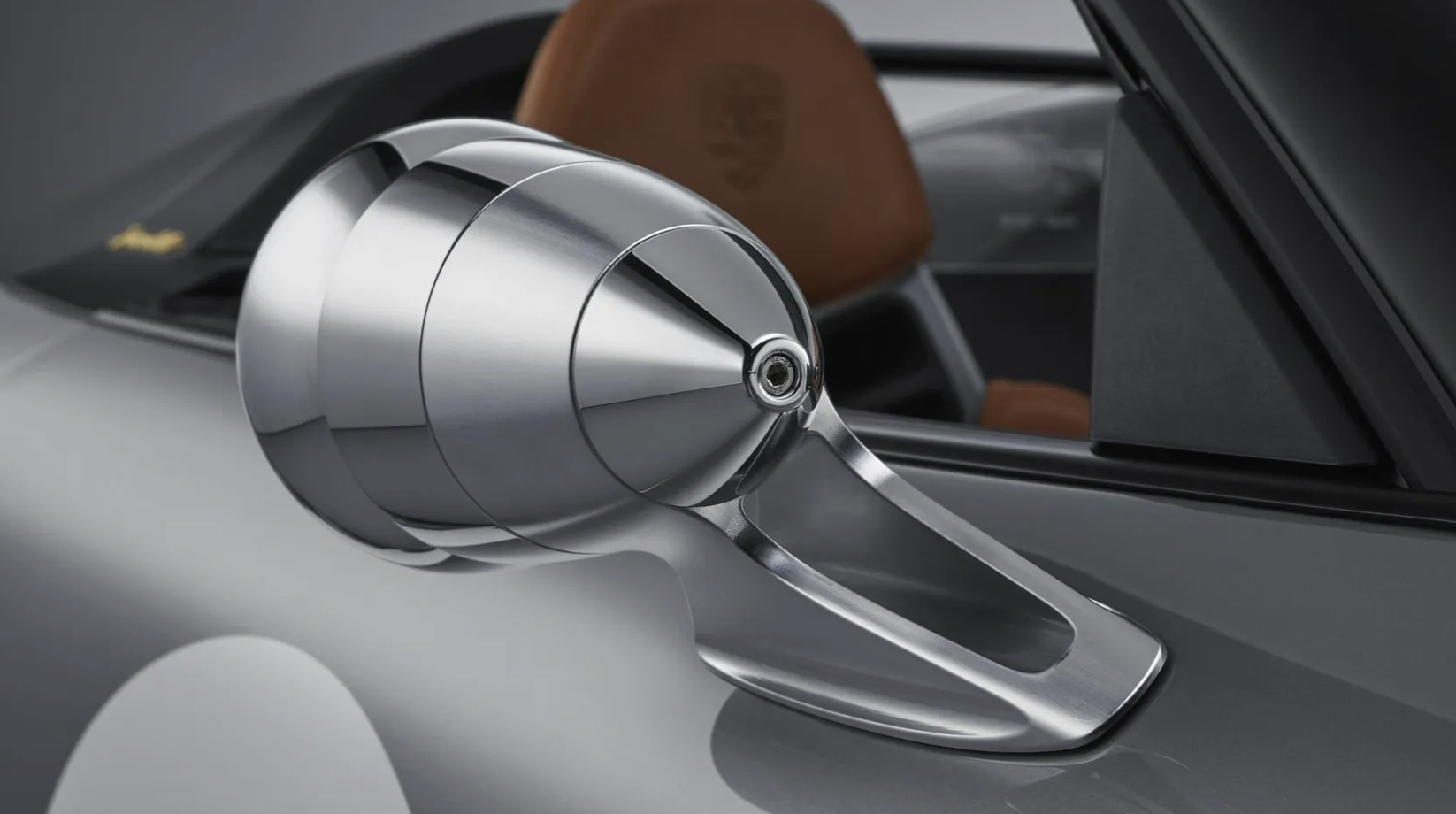
Challenge: Achieving a mirror finish on a first-shot material like PP-GF30 is notoriously difficult. The glass fibers tend to surface, creating a "waviness" or "float fiber" effect that scatters light, utterly destroying gloss. This conflicts directly with the requirement for a showroom-perfect, reflective surface.
Our Engineering Response:
- Advanced Mold Flow Analysis as a Guide: We performed exhaustive simulations to optimize gate location, filling pattern, and pressure profiles. The goal was to ensure the plastic flow front remained unified as long as possible, pushing weld lines to non-cosmetic areas and minimizing fiber orientation issues on the visible surface.
- Precision Temperature Control: We implemented a highly segmented, dynamic mold temperature control system. A very hot mold surface (often near the material's heat deflection temperature) during injection allows the material to flow more freely, enabling the polymer skin to replicate the polished steel surface perfectly before fibers can emerge. This was coupled with conformal cooling channels in critical areas to ensure rapid, uniform cooling after packing.
- The Mastery of Polishing: This is where art meets science. Our polishing technicians executed a multi-stage process using progressively finer diamond pastes. The final polish was so refined that it facilitated flawless part ejection and created a surface ready for potential post-molding clear-coating by the client.
2. The Delicate Dance of Dual-Material Bonding
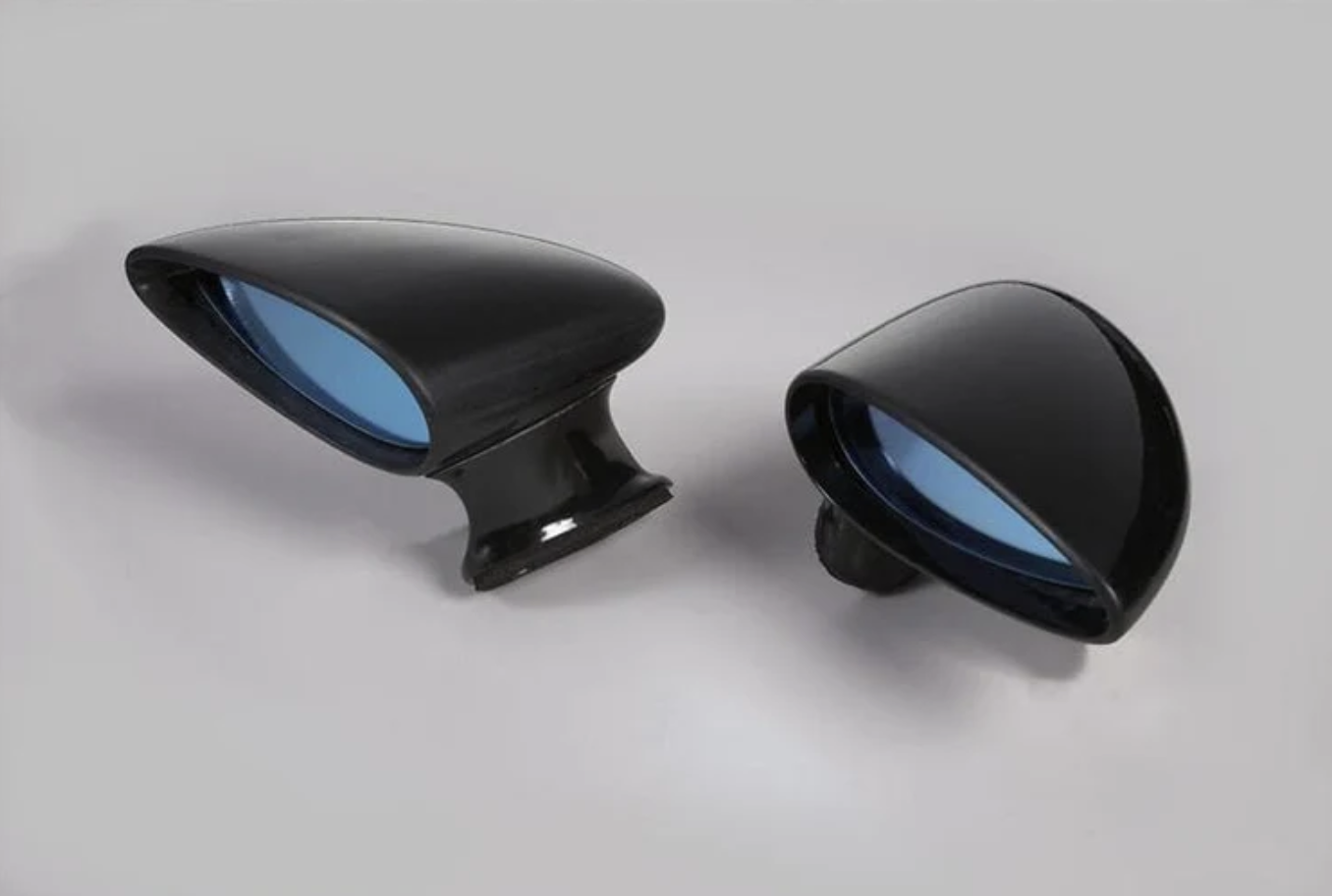
Challenge: Bonding the soft, flexible TPE (2nd shot) securely to the hard, crystalline PP-GF30 substrate (1st shot) is a science of thermal and chemical compatibility. Poor bonding leads to delamination. Furthermore, the vastly different shrinkage rates of the two materials can cause warpage or sink marks on the glossy A-surface.
Our Engineering Response:
- Strategic Design of the Bonding Interface: We meticulously designed undercuts, grooves, and texture on the substrate (1st shot) to maximize the mechanical interlocking surface area for the TPE.
- Thermal Synchronization: The thermal management of the mold between shots is critical. We engineered the cooling circuits to bring the first shot to the optimal temperature window for second-shot overmolding—warm enough to promote molecular interdiffusion at the interface but cool enough to maintain its dimensional stability.
- Process Window Validation: During sampling, we dedicated an entire phase to defining the precise process parameters (first-shot cool time, second-shot melt and mold temperature) that created a robust, inseparable bond without compromising the A-surface of the first shot.
3. The Symphony of a 1+1 Family Mold
Challenge: Producing mirror-image left and right parts in one mold demands perfect filling and cooling balance. Any asymmetry leads to parts with different pack pressures, potentially causing differential shrinkage, warp, or variations in gloss level between the left and right sides of the car.
Our Engineering Response:
- Geometrically Balanced Runner Systems: We designed a naturally balanced, hot runner systemwhere the melt travel distance and flow resistance to each cavity are mathematically identical.
- Symmetrical Cooling Mirroring: The cooling channel layout was a mirror image itself, ensuring both cavities experienced identical thermal cycles. This is paramount for controlling crystallization and shrinkage uniformly.
4. The Precision of Interchangeable "Smart" Inserts
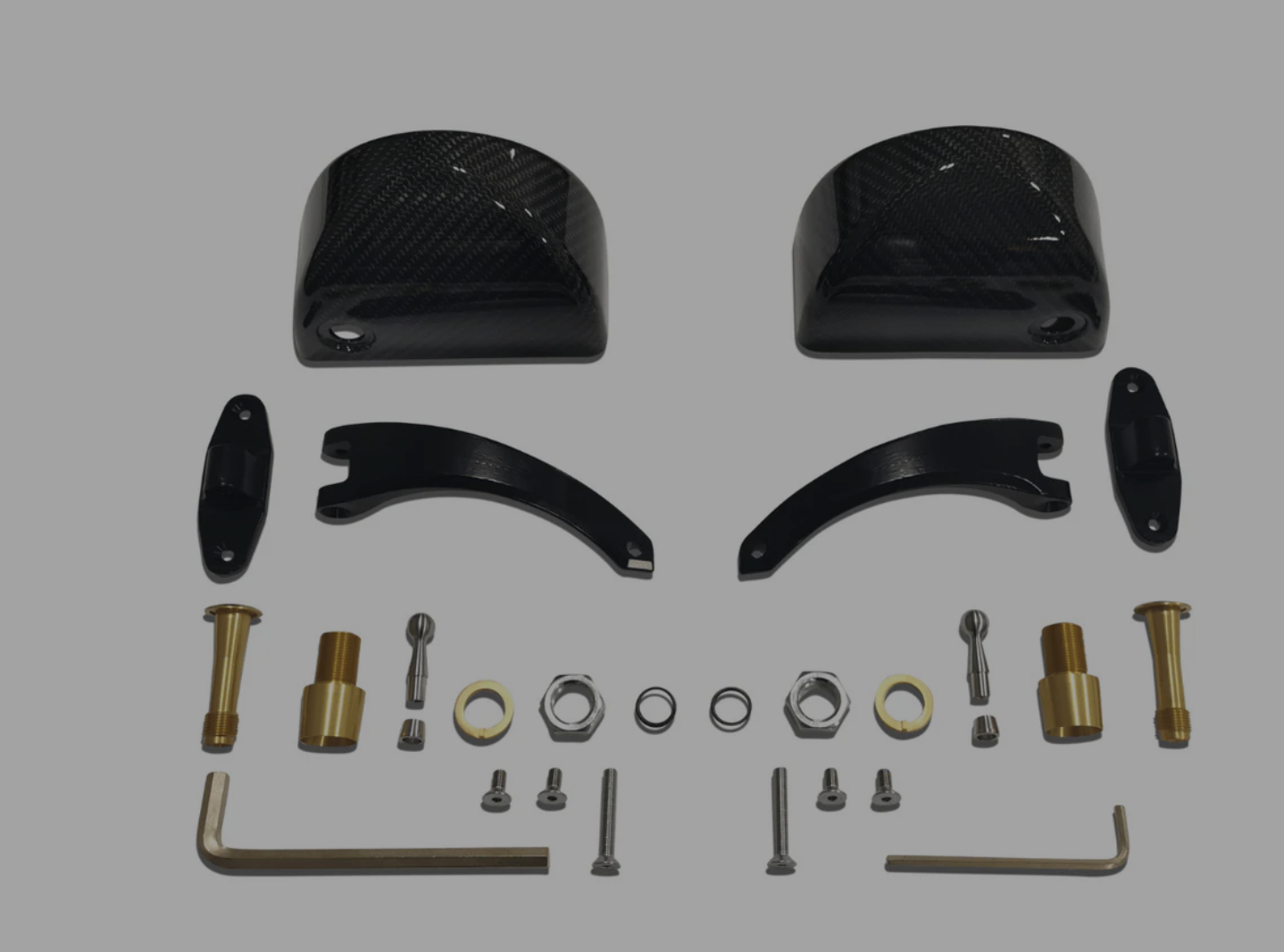
Challenge: The Lower Cover Base required a modular system: one insert forming a cavity for a camera, and another forming a smooth cover for the non-camera version. Both inserts must seat into the master mold with zero-visible parting lines, perfect flushness, and identical surface finish. Any misalignment or temperature differential creates a visible defect on the high-gloss surface.
Our Engineering Response:
- Micron-Level Machining & Fit: The inserts and their pockets were machined using high-precision CNC and EDM processes. We achieved a transition fit with tolerances under 0.01mm, ensuring a seamless blend with the parent cavity wall.
- Integrated Cooling & Finish: Each insert contained its own dedicated cooling circuit, synchronized with the main mold cooling to prevent a localized "hot spot" or "cold spot" that would affect the surface appearance or cause a sink mark. After machining, the entire cavity—including the insert interface—was polished as a single, continuous surface.
More Than a Mold, a Strategic Partnership
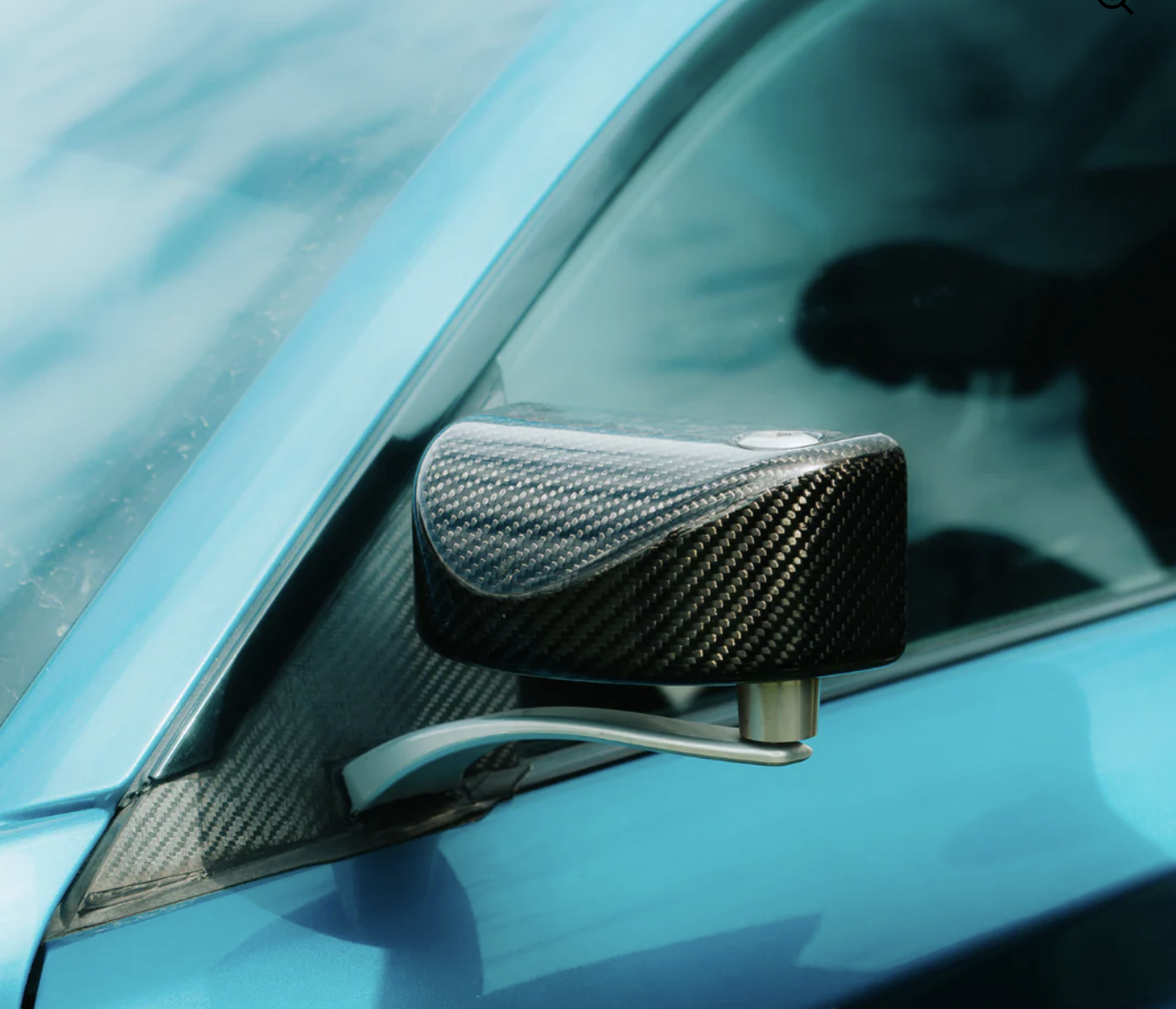
Developing tooling of this caliber is not a linear process; it is an iterative dialogue between design, simulation, precision manufacturing, and meticulous validation. It demands a team that understands not just how to cut steel, but also polymer rheology, thermodynamics, and advanced manufacturing processes.
This project stands as a testament to our capability to transform the most ambitious automotive design visions into manufacturable reality. We don't just build molds; we engineer solutions for the most complex challenges on the road.
Ready to discuss how we can bring your most challenging automotive exterior concept to life?
Contact danny@opro-tech.com for a consultation with our engineering team.